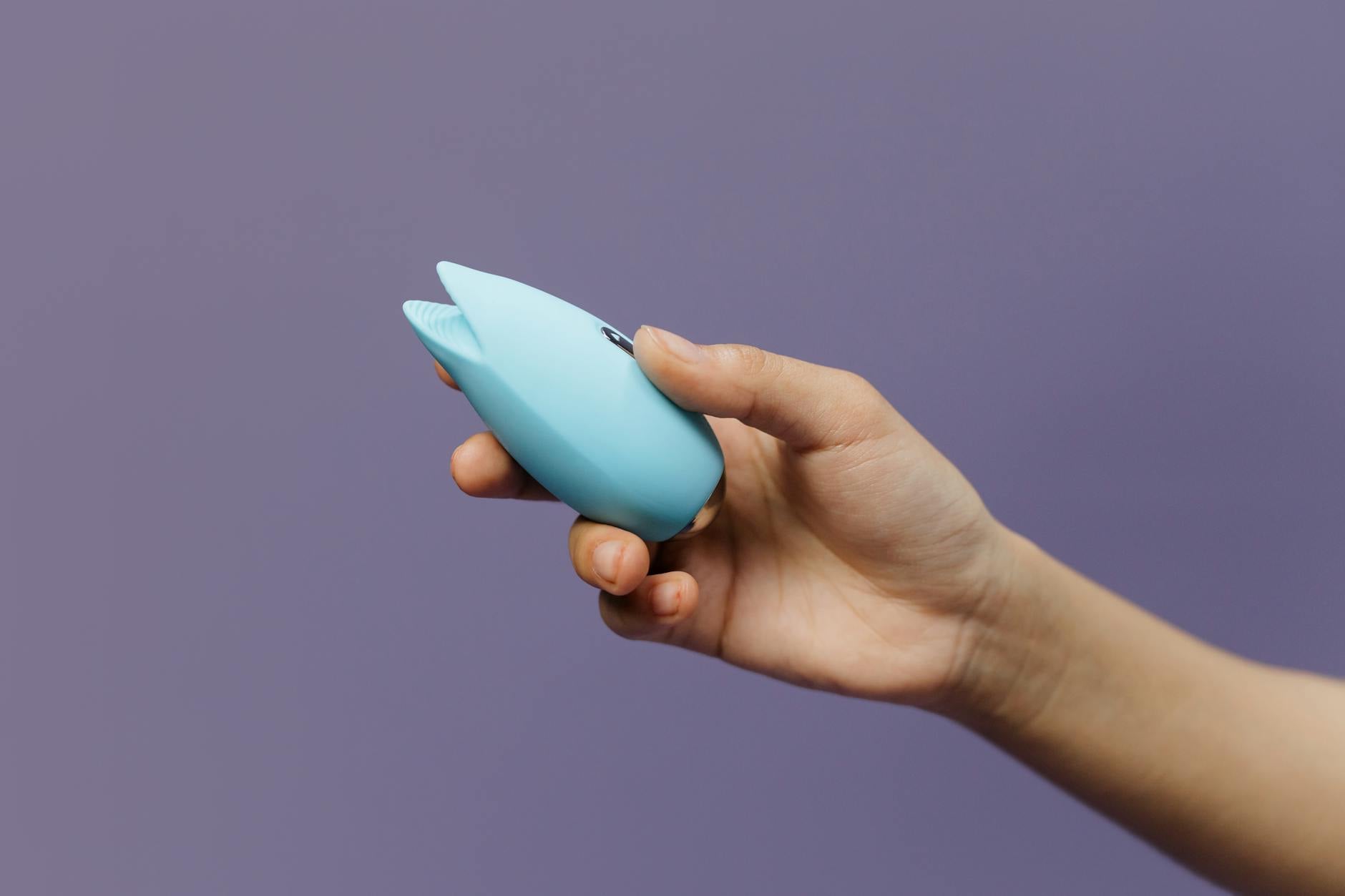
Let's talk about the anatomy nobody mentions
Here's the thing: when you're using a lemon vibrator with a partner, you're not working with a standard template. Clitoral hoods vary. Clitoral prominence varies. Tissue thickness, sensitivity, and the distance between the clitoris and the vaginal opening all vary. A lot. Which means the suction intensity and approach that works beautifully for you might feel either too gentle or too intense for them.
This isn't a problem. It's actually the whole point of learning how to use lemon vibrators with someone else. You get to calibrate together.
Why body differences matter with suction technology
Unlike traditional vibration, which tends to feel roughly the same regardless of clitoral prominence, lemon vibrators use gentle suction that relies on tissue contact and positioning. This means the shape and size of someone's clitoris directly affects how the sensation lands.
If your partner's clitoris is more prominent or sits further forward, they might love patterns 4 or 5 immediately. If their clitoris is more recessed or they have a thicker hood, they might need to start at patterns 1 or 2 and work up slowly. Neither of these is better or worse. They're just different starting points.
The same goes for overall body size. Pelvic tilt, hip angle, and even how the legs position can change the angle of approach. What feels comfortable when you're lying on your back might feel awkward when sitting upright, depending on whose body we're talking about.
How to find the right angle for their body
Start with communication, not assumptions. Ask your partner what feels good, what feels uncomfortable, and what makes them curious. Then experiment with positioning.
If you're new to using lemon vibrators together, try these positions first:
Lying on their back, you between their legs. This gives you the most control and visibility. You can see exactly how the clitoral tissue responds and adjust angle in real time. It's also the easiest position for starting slow and building intensity gradually.
Them on their back, leaning slightly toward you. This works particularly well if your partner's clitoris sits higher up or if they have a fuller mons pubis. The angle changes just enough that contact improves without anyone having to contort.
Side-lying, facing each other. This is underrated. It removes a lot of pressure (literally and figuratively) and often allows for a more relaxed approach to the clitoris. Useful if your partner tends to tense up or if their body just responds better at an angle.
Sitting upright on a cushion. Some people find this the most comfortable long-term position. If your partner has a different body type from you, this position levels the playing field because neither of you is trying to accommodate someone else's height or reach.
The key is trying three or four positions and noticing which one produces the most genuine response. Then you've found your baseline.
Adjusting suction intensity when your bodies are different
Here's where a lot of couples get stuck. You love pattern 3 at moderate pressure. Your partner finds pattern 3 overwhelming. Neither of you is wrong. You just need to separate your preferences from theirs.
Start at pattern 1 every single time, regardless of what you prefer. Let them tell you when to turn it up. This is not a waste of time. This is you learning their body.
Once you're at a comfortable baseline (usually pattern 2 or 3 for most people), the next variable is how much of the clitoral area you're stimulating. Some bodies respond better to direct, focused pressure. Others like a slightly broader sensation. You can adjust this by changing how fully the clitoris seats into the cup. A shallower seal might feel less intense. A deeper seal feels stronger.
If your partner says it feels too strong even at pattern 1, try pulling the device away slightly so it's not creating a full seal. You'll get the sensation of suction without the full intensity. This is totally legitimate and works beautifully for sensitive anatomy.
Technique shifts for different body types
Speed matters less with a lemon vibrator than with traditional vibrators, but rhythm still does. Some people love a steady pattern for 10 or 15 minutes. Others prefer you to change patterns every 30 seconds or so, building toward intensity gradually.
The difference often has to do with how their nervous system responds to stimulation. If your partner's clitoris tends to get overstimulated quickly (which happens more often with prominent anatomy), changing patterns keeps the sensation fresh and prevents numbness. If their clitoris responds better to sustained pressure, you'll stay on one pattern longer.
There's also the question of what you do with your other hand or your mouth while you're using the lemon vibrator. If your partner's body is sensitive elsewhere (inner thighs, labia, nipples), those touches can shift how the clitoral stimulation lands. Experiment with adding touch to other areas and noticing whether it increases pleasure or becomes too much.
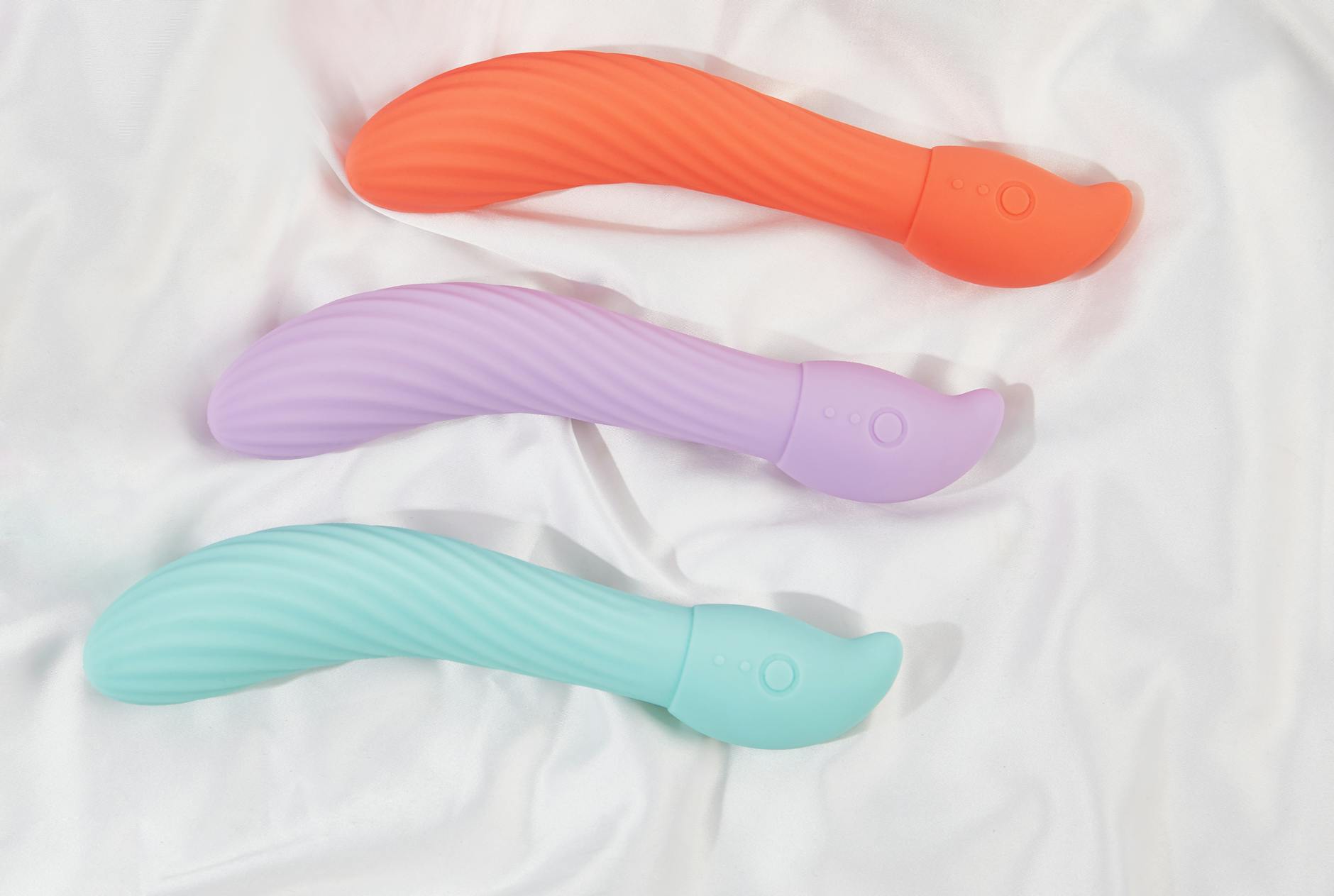
Photo by IFONNX Toys on Pexels
When conversation breaks flow
Honestly, checking in mid-play doesn't have to kill the moment. "Does this feel good?" or "Want me to turn it up?" is just intimacy. It's literally you paying attention to someone.
But if your partner struggles to speak during arousal, create a simple signal system beforehand. A thumbs up means keep going. A tap on your shoulder means ease off. A specific word means stop. This removes the pressure to communicate verbally when they can't, which actually tends to make people relax more.
The more you practice together, the more you'll develop an intuitive sense of what their body wants. You'll notice the micro-shifts in breathing, the way their hips move, the angle at which they grip your hand. That's when using a lemon vibrator with a partner becomes genuinely fun instead of effortful.
Logistics that change with different bodies
If there's a significant height difference between you and your partner, you might need to angle your own body differently to maintain a comfortable position. This isn't a problem, but it's worth acknowledging. A cushion under your partner's hips can solve a lot of positioning issues. So can taking turns leading so that sometimes you're setting the pace and sometimes they are.
If your partner menstruates, know that clitoral sensitivity shifts throughout the cycle. Their preferred intensity during their period might feel uncomfortable during ovulation. Check in before assuming your usual rhythm will work.
If either of you has pelvic floor tension, that changes how suction feels. A more relaxed pelvic floor tends to respond better to lemon vibrators overall, which is one reason how to use lemon vibrators with antidepressants or anxiety medication matters. The medication itself doesn't prevent pleasure, but it might increase muscle tension.
The pleasure math is actually simpler than you think
Using a lemon clitoral vibrator with a partner whose body is different from yours isn't complicated. It's just attentive. Start slow. Ask questions. Notice what lands. Adjust. Repeat.
The fact that your bodies are different is actually an advantage. It means you get to discover what works for them specifically, rather than assuming your experience is universal. That's where real intimacy lives. You're not trying to give someone pleasure on autopilot. You're actually paying attention.
If you're both new to lemon vibrators together, try starting with something simple like the Lem at pattern 1 and building from there. The suction approach means you have more control over intensity than you would with a traditional vibrator, which makes it easier to adapt in real time.
The best part? Once you've figured out what works for your partner's specific body, you actually get to have really good sex. Which is kind of the whole point.
People also ask
What if my partner finds the suction too intense even at the lowest setting?
Pull the device away slightly so it's not creating a full seal. You'll still get the sensation of suction without the full pressure. Another option is to use the device over their underwear or a thin cloth, which dampens intensity. Most partners find one of these approaches works within a few tries.
Does the size of someone's clitoris affect how lemon vibrators work?
Yes, but not in the way you might think. A larger or more prominent clitoris doesn't necessarily mean someone wants more intensity. It means the tissue makes contact with the cup differently. A smaller or more recessed clitoris isn't "wrong" or less responsive. It just means you might start at a lower pattern and build slowly. Anatomy is varied. Pleasure is too.
Can I use the same lemon vibrator for both me and my partner, or do we need separate ones?
You can absolutely share one device. Just wash it with warm soapy water between uses. Many couples actually prefer this because you learn how to use the same tool together, and it's more economical. If either of you has an active yeast infection or UTI, wait until that's cleared before sharing.
What if we have really different preferences for intensity?
This is normal and totally manageable. Start at the setting your partner prefers. Once you've finished with them, you can always use it again on yourself at your preferred intensity. Or, one person controls the device while the other partner chooses the pattern. This shifts the power dynamic a little and often leads to surprising discoveries.
How do I know if my partner is enjoying it or just being polite?
Ask directly. "Is this actually feeling good or are you being nice?" People are often more honest than you'd expect when you give them permission to be. Also notice involuntary responses: changes in breathing, hip movement, muscle tone. Genuine pleasure looks different than polite tolerance. The more you practice together, the easier it becomes to read.
Does the position we're in affect how a lemon vibrator feels for my partner?
Completely. Try three or four different positions and let your partner tell you which one feels best. Lying on their back is usually easiest for first-timers, but everyone's different. Some people find side-lying more comfortable. Others prefer sitting upright. The right position is the one where they relax fastest.