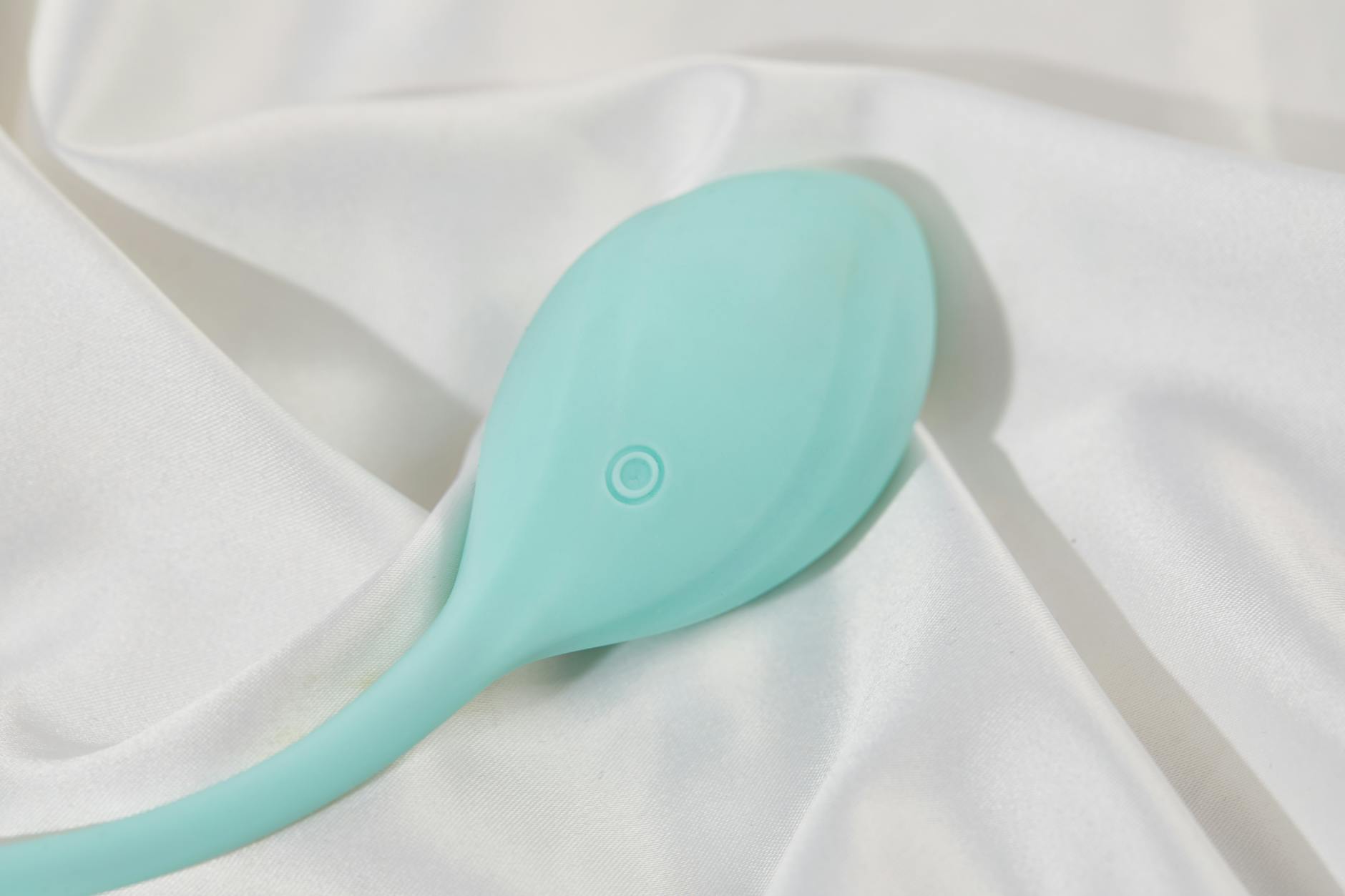
The thing nobody mentions in the psychiatrist's office
Let's be real. When your doctor prescribes an SSRI, they talk about depression lifting, anxiety easing, your brain chemistry balancing out. They do not mention that somewhere between week two and week four, your orgasms might disappear. Or that your desire might feel like it's behind frosted glass. That's not a conversation flaw. That's a massive gap in how we prepare people for medication that actually works.
Here's what I know from working with couples and individuals navigating this exact thing: sexual side effects from SSRIs are common, treatable, and absolutely not a reason to stop taking medication that's keeping you alive. But nobody tells you what to actually do about it. So let's fix that.
Why SSRIs flatten pleasure (the short version)
SSRIs work by increasing serotonin availability in your brain. Which is fantastic for mood and anxiety. But serotonin does other jobs too. One of those jobs is regulating dopamine, which is your pleasure and motivation neurotransmitter. Higher serotonin can mean lower dopamine signaling in the pathways that drive sexual response. Specifically: desire drops, arousal slows down, and orgasm either takes forever or stops showing up at all.
About 40 to 65 percent of people on SSRIs report sexual side effects. That's not rare. That's not you being broken. That's neurobiology at scale.
The other part is physical. SSRIs can decrease genital sensitivity and blood flow to the clitoris. So even if your brain is in the mood, the tissue isn't responding the way it used to. That's where lemon vibrators, and specifically their suction mechanism, change the game entirely.
Why lemon vibrators work differently with flattened arousal
Traditional vibrators rely on vibration to stimulate nerve endings. They work great when your baseline sensitivity is normal. But when SSRIs have dampened your clitoral blood flow and nerve responsiveness, vibration alone often isn't enough to cut through. You end up chasing sensation that doesn't quite land.
Lemon clitoral vibrators use gentle air-pulse suction instead. This mechanism is mechanically different. It creates a seal and releases rhythmic pulses that stimulate not just the surface, but the internal erectile tissue of the clitoris. For people on SSRIs, this matters because:
You need less direct contact. Suction creates stimulation through pressure change rather than friction. That means you're not grinding through numb or desensitized tissue trying to find the feeling. The sensation reaches deeper.
It bypasses some of the flatness. Suction patterns activate different neural pathways than simple vibration. Many people on SSRIs report that air-pulse devices feel like they're actually getting through the fog in a way traditional vibrators don't.
There's no judgment curve. If you're taking 30 minutes instead of 5 to orgasm on an SSRI, you're not failing. You're just neurochemically different right now. A lemon vibrator's multiple intensity patterns give you room to explore without pressure.
The strategies that actually work
Here are the practical things I recommend to clients managing SSRI sexual side effects:
Timing matters. Sexual side effects from SSRIs often peak in the afternoon and ease slightly in the morning. Anecdotally, many people report better response when they use any device, including a lemon vibrator, earlier in the day. You might also ask your psychiatrist about taking your SSRI at night instead of morning if you have flexibility. Some people see slight improvement with that shift.
Extend your warm-up. When desire is suppressed by medication, don't expect spontaneous arousal. Budget 20 to 30 minutes for external stimulation before you even touch a device. Read something, watch something, whatever gets your brain engaged. Get blood flowing first. Then bring the lemon vibrator in.
Start with longer suction sessions. Some people use a lemon vibrator for five minutes and stop. With SSRI-flattened sensitivity, you might need 15 to 25 minutes of continuous stimulation. This is not abnormal or a sign something is wrong. It's just what your nervous system needs right now. Patience compounds the effect.
Use it with a partner if that applies. One reason people on SSRIs struggle is isolation. If you have a partner, bringing a lemon vibrator into partnered sex removes the pressure for your body to perform on its own schedule. Suction devices are less intimidating to incorporate than traditional vibrators because they're quieter and the sensation is more contained. That reduces performance anxiety, which paradoxically helps arousal return.
Combine it with other stimulation. A lemon vibrator is not a solo fix. Use it alongside mental focus, fantasy, partner touch, or anything that gets your dopamine moving. The device amplifies what's already happening in your brain. It doesn't create arousal from nothing.
The conversation with your psychiatrist
If SSRI sexual side effects are severe, you have options. None of them involve stopping your medication unless your psychiatrist agrees it's the right move.
One option is adjusting your dose. Not everyone gets sexual side effects at every dose. Sometimes a 10 percent reduction stops the problem without affecting your mood or anxiety response. That's worth asking about.
Another option is timing. Some SSRIs have shorter half-lives. Taking them right after sex instead of before sometimes helps because the peak concentration happens when it's less relevant.
A third option is adjunctive medication. Buspirone, bupropion, or sildenafil are sometimes added specifically to reverse sexual side effects. These aren't band-aids. They work. Your doctor should know this is a problem you're willing to treat.
But here's the thing: using a lemon clitoral vibrator is not a workaround you have to hide from your psychiatrist. It's part of your treatment strategy. If you're staying on an SSRI that's keeping you stable but you're reclaiming pleasure with the help of a better device, that's medicine working, not failing.
When pleasure starts to return
One more thing I want you to know: sexual side effects from SSRIs are not permanent. Your body adapts. Many people find that after three to six months, some sensitivity and desire return naturally, even at the same dose. For others it takes longer. For some, adjustment is the new normal, and that's fine too.
What changes is how you work with it. You learn what device matters. You build a practice around pleasure instead of expecting it to happen automatically. You stop seeing SSRIs as a trade-off between mental health and sexuality. You see them as part of a larger strategy where a lemon vibrator is not a consolation prize but an actual tool that works with your neurochemistry.
Your desire matters. Your pleasure matters. And they don't have to be casualties of the medication that's keeping you sane.
Common questions
Can I use a lemon vibrator while on any SSRI, or do some interact badly?
There's no direct interaction between lemon vibrators and any SSRI. The device itself is mechanical and chemical-neutral. What matters is your individual response to the medication you're on. That said, some SSRIs cause more sexual flattening than others. Paroxetine and fluoxetine tend to be rougher on sexual function than sertraline or citalopram. If you're struggling, mention this to your doctor when discussing options. A lemon clitoral vibrator works with any of them, but the underlying problem might warrant an SSRI switch.
How long does it take to orgasm with a lemon vibrator when you're on SSRIs?
It varies wildly. Some people see results in 10 to 15 minutes. Others need 30 to 40. The first time you use one on an SSRI, drop all expectations about timing. Focus on the sensation instead. Most people find that as they get familiar with the device and their body relaxes around it, the time shortens. You're not broken if you need longer. You're just working with what SSRIs have changed.
Should I try using a lemon vibrator before talking to my doctor about sexual side effects?
Absolutely. You don't need permission. But do mention it to your psychiatrist once you've tried it. Not because you need approval, but because if a lemon vibrator helps, that data point is useful. Your doctor needs to know what's working and what isn't. That information helps them decide whether to adjust your medication, add something, or stay the course.
Can SSRIs and lemon vibrators together cause any medical problems?
No. A lemon vibrator is a device. An SSRI is a medication. They don't interfere. The only thing that might happen is your pleasure returns, which is the goal. If you have a pelvic floor condition or painful sex, those are separate medical issues that warrant their own conversation with your doctor, SSRI or not.
What if I've been on my SSRI for years and lost sexual function entirely?
That's common and still worth investigating. Sometimes longer-term SSRI use stabilizes sexual side effects at a new baseline. Sometimes it gets worse. Either way, your pleasure still matters. A lemon vibrator can help bridge the gap while you figure out whether you want to explore medication adjustments with your doctor. Pleasure isn't a luxury. It's part of being alive.
Are lemon vibrators quieter or more discreet than other vibrators when you're trying to be private?
Yes. Lemon clitoral vibrators are among the quietest devices available because they use air-pulse suction rather than internal motors with high vibration frequency. If discretion matters, that's one more reason to try one. The sound is subtle enough that it won't carry through walls the way a buzzing vibrator will.
The bottom line
SSRIs save lives. Full stop. Sexual side effects are real and worth treating, but they're not a reason to choose between medication and pleasure. A lemon vibrator, with its gentle suction mechanism and adaptable intensity, works with the neurochemistry that SSRIs have shifted. You're not settling. You're meeting your body where it actually is right now and using the right tool for that reality. Your mental health and your sexuality don't have to be in competition. Let them work together instead.