The disconnection is real. So is the path back.
Major relationship shifts do something strange to pleasure. A breakup, a separation, a fundamental rupture in how you relate to your partner. Suddenly, the body that felt intuitive becomes a foreign landscape. Not broken. Not wrong. Just... disconnected from what it used to know.
I work with people navigating this every week. The pattern is consistent: guilt masquerades as low libido, and shame whispers that you've somehow damaged your own capacity for sensation. You haven't. What's happened is that pleasure, which was tied to a relational identity that no longer exists, needs to be reintroduced to you as yourself alone.
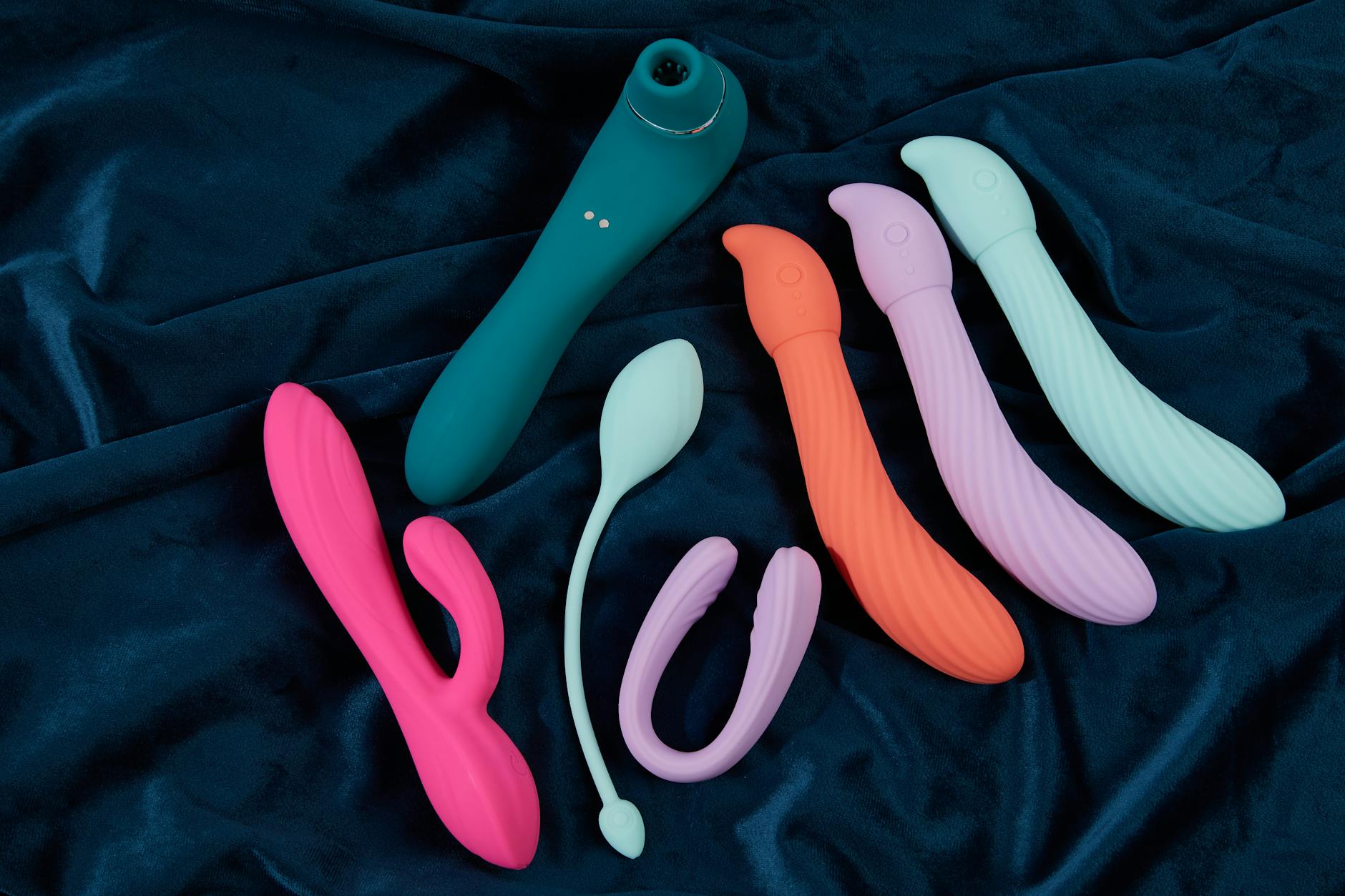
Lemon vibrators, and particularly the suction-based design of devices like the Lem, offer something clinical vibrators don't. They create a different kind of pressure, a gentler entry point that doesn't demand the same cognitive setup as traditional vibration. That matters when your brain and body are out of sync.
Why relationship change scrambles your pleasure signals
Here's the neurological part that nobody explains clearly. During a stable partnership, your nervous system learns to recognize certain touches, sounds, and environments as safe. Arousal becomes habitual. Your body knows the script.
When the relationship ruptures, that safety architecture collapses. Your amygdala, the threat-detection part of your brain, doesn't just register that the relationship changed. It also flags pleasure itself as unreliable. If intimacy was tied to that person or that dynamic, then seeking pleasure now can feel like reopening a wound.
This isn't depression, though it often looks like it. It's your nervous system protecting you from the risk of bonding again through sensation. It's actually a smart survival mechanism that's now getting in your way.
Suction-based stimulation works differently than vibration because it doesn't activate the same tension-and-release cycle. Instead, it creates a sustained, rhythmic pressure that your nervous system experiences as grounding rather than triggering. For people in this particular disconnection, that's usually the easier bridge back.
Starting solo is non-negotiable
I don't say this lightly. If you're navigating pleasure after a major relationship change, the worst possible entry point is trying to feel it with a new partner. That's not because you're not ready for a partner. It's because your body needs to remember that pleasure belongs to you first.
Using lemon vibrators solo serves two purposes. First, it removes the performance anxiety. You're not checking in with someone else's expectations or timing. Second, and more importantly, it reestablishes the connection between your brain and your body as separate from relational identity.
Start in a private space where you won't be interrupted. Not "I have 20 minutes before my roommate gets home." Actually private. Your nervous system needs to know it's safe to explore without vigilance.
The three-phase reconnection approach
Phase one: Observation without expectation (Days 1-3).
Take your lemon vibrator or clitoral vibrator and spend time with it as an object. Hold it. Feel the weight. Notice the texture. Don't turn it on. This sounds absurdly basic, but for people whose bodies have been hurt or disappointed recently, this step rewires the idea that sensuality is safe. You're teaching your nervous system that touch doesn't have to lead anywhere.
Then run it on the lowest setting against your inner arm or neck. Feel it against non-sexual skin. Notice the pressure pattern. This is your body gathering information without the weight of "should I be aroused by this."
Phase two: Slow familiarization (Days 4-10).
Now move the lemon vibrator closer to the vulva, but still external. Many people find that the suction design of devices like Hello Nancy's Lem creates sensation that feels less invasive than traditional vibration. The pressure is sustained rather than percussive, which can feel less demanding to a nervous system that's been through relational rupture.
Stay at low intensity. Don't push for arousal. The goal is to prove to your body that sensation is neutral information, not a commitment or risk.
Most people in this phase report that arousal starts appearing as a side effect of safety, not as something they're chasing. That distinction matters. When arousal arrives because your nervous system finally feels secure, it's your body's way of telling you the path is open again.
Phase three: Building back to pleasure (Weeks 2 onwards).
Once you've spent 10 days establishing that sensation is safe, you can start playing with variation. Higher intensities. Different patterns. Different locations and pressures. Your body has re-established the basic pathway. Now you're remembering the texture of your own pleasure.
Many people find that after a relationship change, using lemon vibrators when arousal takes longer to build becomes relevant. That's normal. Your body isn't broken. It's being appropriately cautious until trust is restored.
The role of consistency and patience
Here's what I tell my clients: reconnection after relational rupture isn't about finding the right technique. It's about showing up repeatedly with self-compassion. If you use a lemon vibrator twice and nothing happens, that's not failure. That's your nervous system still deciding whether it's safe.
Consistency teaches your body that this is sustainable attention, not a desperate grab for sensation. Three to five minutes, several times a week, is infinitely more useful than an intense 45-minute session you can only manage once a month out of frustration.
Use Hello Nancy products like the Lem because the design removes one layer of cognitive load. You're not managing traditional vibration. You're receiving sustained, gentle pressure. That's meaningful when your brain is already managing the emotional weight of relational change.
When to involve a partner again
This is where my therapist hat matters. The worst mistake I see is trying to force partners into a reconnection that isn't ready. You can't convince your body to trust again through performance.
Wait until solo exploration with your lemon vibrator feels genuinely good, not dutiful. Not "I'm making progress." Actually pleasurable. That's the signal that your nervous system has recalibrated.
When you do bring a partner back into the picture, start with using lemon vibrators with partners when communication feels difficult. The device becomes a language you're both learning, not a failure to perform without it.
Managing the shame spiral
Most people I work with carry a lot of guilt about pleasure feeling disconnected after relationship change. "I should be able to feel this. Why can't I just move on." That's the shame talking, and it's completely backwards.
Your body isn't failing. It's protecting. It's choosing not to wire pleasure back into an unsafe context until that context proves itself safe again. That's intelligent. That's you taking care of yourself at the nervous-system level.
Using a lemon vibrator isn't a workaround. It's not "cheating" because you can't access pleasure the old way. It's a tool that makes the nervous system's job easier. It says to your body, "I'm taking this seriously. I'm creating the conditions for you to feel safe again."
The shame dissolves when you stop treating pleasure as something you've lost and start treating it as something you're intentionally rebuilding.
FAQ
Q: How long does it usually take to feel pleasure again after a relationship ends?
There's no standard timeline, and anyone who gives you one is guessing. Some people feel pleasure return in weeks. Others take months. The variable isn't the relationship itself. It's how much your nervous system tied pleasure to relational identity and how much intentional reconnection you do with your body. Solo use of lemon clitoral vibrators typically speeds up the process because you're directly teaching your nervous system that pleasure is safe on its own terms.
Q: Should I feel guilty about using a vibrator to reconnect with pleasure?
Absolutely not. If anything, guilt is a sign that old messaging about pleasure being something you should access "naturally" through a partner is still running in the background. Here's the truth: using a lemon vibrator is actively caring for yourself. You're creating conditions where your nervous system can feel safe again. That's not avoidance. That's healing.
Q: What if I still feel nothing after using a lemon vibrator for weeks?
That usually means one of two things. Either you're pushing toward arousal rather than following the three phases at your own pace, or there's a deeper emotional block that's worth exploring with a therapist. Pleasure doesn't work under pressure. If you've given yourself weeks of low-pressure solo exploration and nothing is shifting, talking to a professional can help you understand what the block is.
Q: Can lemon vibrators help if my previous relationship was traumatic?
Yes, but with more scaffolding. If there was trauma, using lemon vibrators when nervous about pleasure after trauma is a more relevant resource. The key difference is pacing and professional support. Trauma creates different nervous system responses than standard relationship rupture. Working with a trauma-informed therapist while you reconnect with sensation makes a real difference.
Q: Should I use a lemon vibrator the same way as I would with a partner?
No. Solo use is a completely different conversation. You're moving slower, staying at lower intensities longer, and teaching your body that sensation is safe without the relational dimension. Once that foundation is solid, you can add a partner back in. But the solo phase is its own journey, not a rehearsal for partnered sex.
Q: What if I have intrusive thoughts while using a lemon vibrator?
Intrusive thoughts during reconnection are incredibly common after relationship change. They often mean your nervous system is still processing the rupture. Don't fight them. Notice them without judgment and gently redirect attention back to physical sensation. If they're persistent or intense, that's when a therapist trained in both trauma and somatic work becomes really valuable.
The body remembers what it's been taught
Your capacity for pleasure didn't disappear when your relationship changed. It recalibrated. Your nervous system decided, quite reasonably, that sensation needed to be reintroduced slowly and safely.
Using lemon vibrators through this transition is how you have that conversation with your body. It's how you say, "I'm here. I'm being careful. Pleasure is yours, and you get to decide when it's safe again." That takes weeks, sometimes months. But it works because you're honoring what your nervous system actually needs, not fighting against it.
Start small. Stay consistent. Be patient with yourself. Your pleasure is worth the intentional reconstruction.