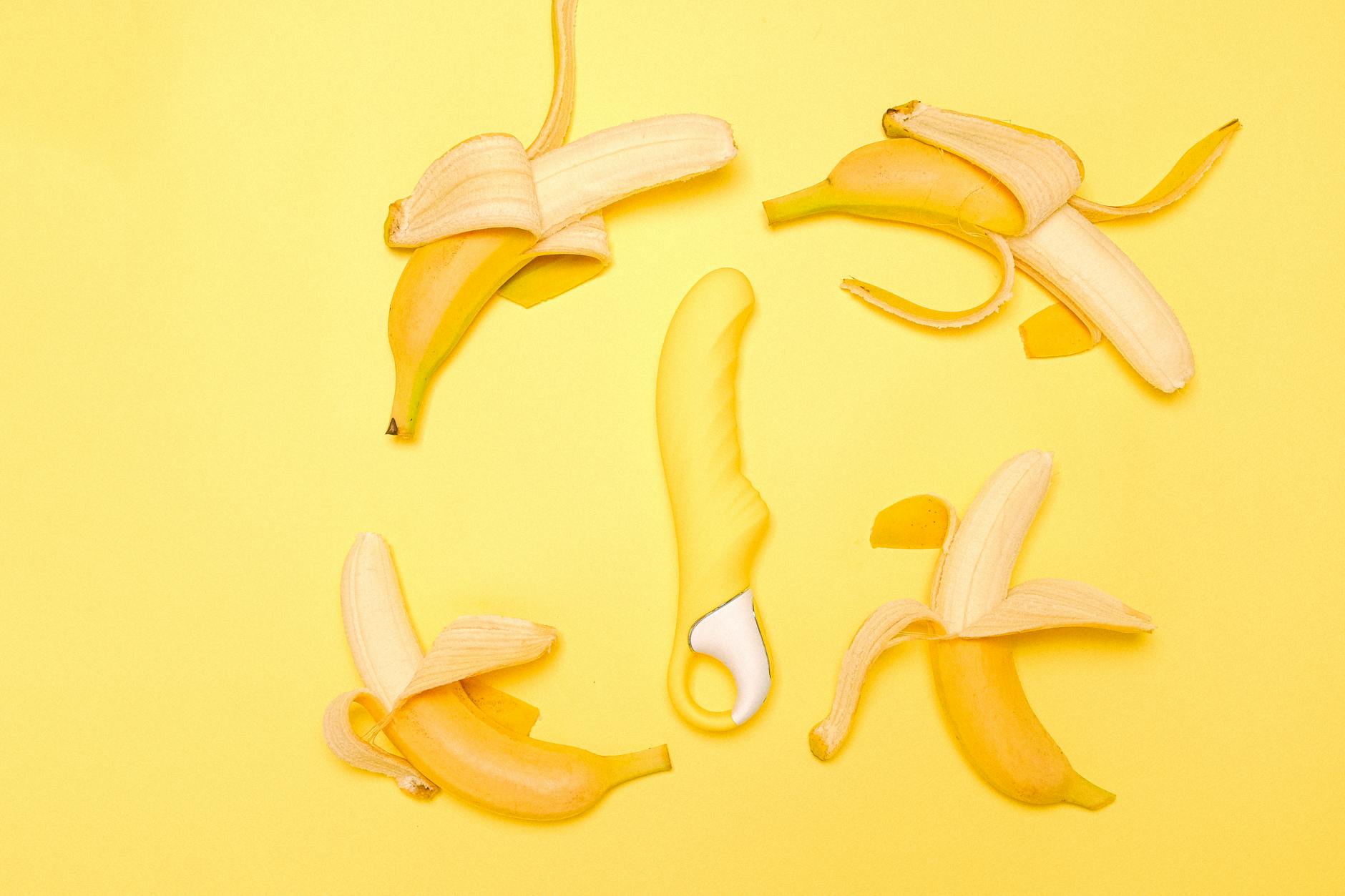
Why Sensitivity Changes After 40
Let's be real: sensitivity doesn't mean something is wrong. It means your nervous system is paying closer attention. After 40, hormonal shifts (whether from natural aging, perimenopause, or medication) often make the clitoris more reactive. Thinner tissue, lower estrogen, and changes in blood flow mean that what felt perfect at 30 can feel abrasive at 45. This is normal. It's also completely workable if you know what to reach for.
The key insight most people miss: the problem isn't your body. It's the wrong tool.
Suction vs. Vibration: Why the Difference Matters
Traditional vibrators buzz directly against tissue. They're mechanical, rhythmic, and they work by creating continuous micro-movements across the surface. That's effective for some people. For a sensitive clitoris, though, especially one navigating midlife changes, it can feel sharp, numb-inducing, or just too much.
Lemon vibrators work differently. They use air-suction technology that gently draws the clitoral tissue into a soft cup. Instead of pounding or buzzing, they create rhythmic waves of pressure and release. This feels more like a caress than a jackhammer. The stimulation happens on multiple nerve pathways at once, which means you get full-body pleasure without the intensity concentrated on one tiny, sensitive spot.
The physics is straightforward: pressure without friction. Direct buzz without direct contact.
How Sensitive Tissue Responds to Suction
After 40, your clitoris has fewer protective layers of fat padding. Estrogen keeps tissue plump and resilient. When estrogen drops, that cushioning thins. A traditional vibrator pressing directly against thinner tissue can feel like someone tapping your shin bone with a pen. Not unbearable, but definitely not pleasant.
Suction sidesteps this entirely. The gentle drawing motion stimulates the entire clitoral complex, not just the external glans. This distributed stimulation means no single nerve ending is being hammered. Instead, you're engaging the whole network. For people with sensitive clitorises, this is the difference between uncomfortable and absolutely perfect.
I've worked with countless people over 40 who swore off vibrators after bad experiences with traditional ones. Then they tried a lemon clitoral vibrator and suddenly they're exploring pleasure again. That shift happens because suction respects the physiology of what's actually there.
Intensity Levels and the Sensitive Clitoris
Most lemon vibrators come with adjustable intensity. This matters more after 40 than it does at any other life stage. You're not starting at level 3 anymore. You might need level 1 for ten minutes, then level 2 when you're more aroused. That flexibility prevents overstimulation, which causes numbness and frustration.
With a traditional vibrator, your options are usually off or on, maybe a few speed settings that still feel fundamentally the same. Lemon vibrators often offer gentler entry points. The suction at low intensity is actually pleasant rather than something you tolerate until the intensity ramps up.
Also: sensitivity isn't static. Some days it's more pronounced than others, depending on where you are in your cycle, stress levels, or just how much direct stimulation you've had recently. A tool that scales from barely-there to intense lets you meet yourself where you are, not where you were last week.
The Warm-Up Window Widens
After 40, arousal usually builds slower. This is partly hormonal and partly neurological. Your body isn't rushing into arousal the way it might have at 25. That's not a loss. That's actually information about what works better now.
A lemon clitoral vibrator at low intensity is genuinely pleasant during the warm-up. You can use it for 15 or 20 minutes while you settle into pleasure, without it feeling like a preliminary exercise before the "real" thing starts. The suction sensation is soothing and building at the same time. Many people find they prefer the entire experience at steady, medium intensity rather than chasing a peak.
This reframes pleasure away from intensity-as-the-goal. After 40, that usually feels better anyway.
Comfort: Physical and Psychological
Sensitivity after 40 isn't just physical. There's often a psychological piece too. If you've had uncomfortable experiences with vibrators, that memory shapes how your nervous system approaches new ones. A sensitive clitoris paired with nervous system caution equals an uphill battle.
Lemon vibrators tend to unlock a different response. The sensation is novel enough to bypass old associations. The gentleness isn't apologetic, it's confident. You're not tolerating a tool designed for someone else's body. You're using something that was designed for nerve-dense, reactive tissue.
That psychological shift alone changes everything. When your body relaxes because it trusts the tool, sensitivity becomes an asset, not a problem.
Troubleshooting Sensitivity With Lemon Vibrators
Even with the right tool, a few strategies help:
Start outside the cup. Hold a lemon vibrator just off the clitoris and let it draw you in gradually rather than applying full suction from the start. Many people actually prefer the sensation from outside contact.
Use lubrication. This seems counterintuitive with a suction device, but a small amount of water-based lube actually helps the cup seal better and feel smoother. It reduces any minor friction at the opening of the cup.
Try side-to-side positioning. Not everyone wants direct clitoral suction, even when sensitive. Gliding it side to side over the vulva, including the labia and surrounding areas, often feels better than locked-on suction.
Build duration slowly. Use it for three or four minutes on low, then stop. Next time, go five minutes. Your nervous system adjusts to new sensations gradually. Patience here pays off in weeks, not months.
Why Lemon Vibrators Outperform Other Options
You could reach for traditional vibrators at lower speeds. You could try fingers only. You could assume pleasure is just different now and leave it at that. None of those are wrong, but they're all compromises.
A lemon clitoral vibrator is designed for clitoral anatomy and responsive nervous systems. It's not a compromise. It's an answer. The fact that it also happens to feel incredible for people navigating sensitivity after 40 isn't accidental. It's architecture.
Compare this to something like the lemon clitoral vibrator design, which was built with this exact physiology in mind. The cup shape, the intensity range, the quiet operation, the battery life. All of it serves bodies that need gentleness without sacrifice.
When to See Someone About Persistent Pain
Sensitivity is normal. Pain is not. If using a lemon vibrator causes sharp pain or burning, that's worth investigating with a gynecologist or sexual health specialist. You might have vulvodynia, genitourinary syndrome of menopause, or another condition that needs specific treatment.
Sensitivity that responds well to lower intensity and slow warm-up? That's often just midlife physiology. But persistent pain warrants a conversation with someone trained in this area.
The Bigger Picture
Your body didn't betray you at 40. It shifted. A sensitive clitoris after 40 is a different instrument, not a broken one. It requires different handling, yes, but it's also often more capable of nuance and full-body pleasure than it was before. The right tool, the right approach, and permission to slow down can make these years some of your most satisfied.
You deserve pleasure that fits who you actually are right now, not who you were.
People Also Ask
Are lemon vibrators safe to use if I have a sensitive clitoris?
Yes. In fact, lemon vibrators are often safer for sensitive clitorises than traditional vibrators. The suction-based stimulation is gentler and more distributed across the clitoral complex rather than concentrated in one spot. Start at the lowest intensity level, use a small amount of water-based lubricant, and give yourself permission to stop if something doesn't feel right. Sensitivity is information, not a red flag to ignore.
How long does it take to adjust to suction stimulation if I've only used traditional vibrators?
Most people adapt within three to five uses. The first time might feel unfamiliar or even slightly odd, but by the second or third session, your nervous system recognizes the pattern. It's helpful to start with shorter sessions (three to five minutes) at low intensity to let your body acclimate without overwhelming the clitoral tissue. Patience during this adjustment phase usually pays off dramatically.
Can a lemon clitoral vibrator help if I've lost sensation from using traditional vibrators?
Possibly, yes. Sensation loss (often called vibrator numbness) usually comes from overstimulation of one type. Because lemon vibrators stimulate differently, using them for a few weeks while taking a break from traditional vibrators often helps your clitoris re-sensitize. It's also worth exploring lower intensities overall and varying the types of stimulation you use. Your nervous system benefits from novelty.
Why do lemon vibrators feel less intense than regular vibrators if they're stronger?
Intensity and sensation aren't the same thing. A powerful traditional vibrator might feel intense because the mechanical buzz is sharp and concentrated. A lemon vibrator can be very powerful in terms of suction strength, but because that power is distributed across the cup and the surrounding tissue, it doesn't register as aggressive. You're getting more total stimulation spread across more area, which your brain actually experiences as gentler. This is physiologically why they work so well for sensitive people.
Is it normal for sensitivity to increase after 40?
Completely normal. Hormonal changes, shifts in blood flow, and changes in tissue thickness all contribute to increased clitoral sensitivity in midlife. It's not a sign of dysfunction. Your clitoris isn't damaged; it's just more reactive. With the right approach and tools, this reactivity becomes an advantage rather than a problem. Many people report some of their most satisfying experiences happen after they understand how to work with this new sensitivity.
Should I use lube with a lemon vibrator if I'm very sensitive?
Yes. A tiny amount of water-based lubricant can actually reduce friction and help the cup seal better, which paradoxically makes the sensation feel smoother and more controlled. It also gives you another variable to adjust if sensitivity feels overwhelming. Some people find that lube makes the difference between uncomfortable and perfect. Start with a small dab and experiment from there.