The shift nobody warns you about
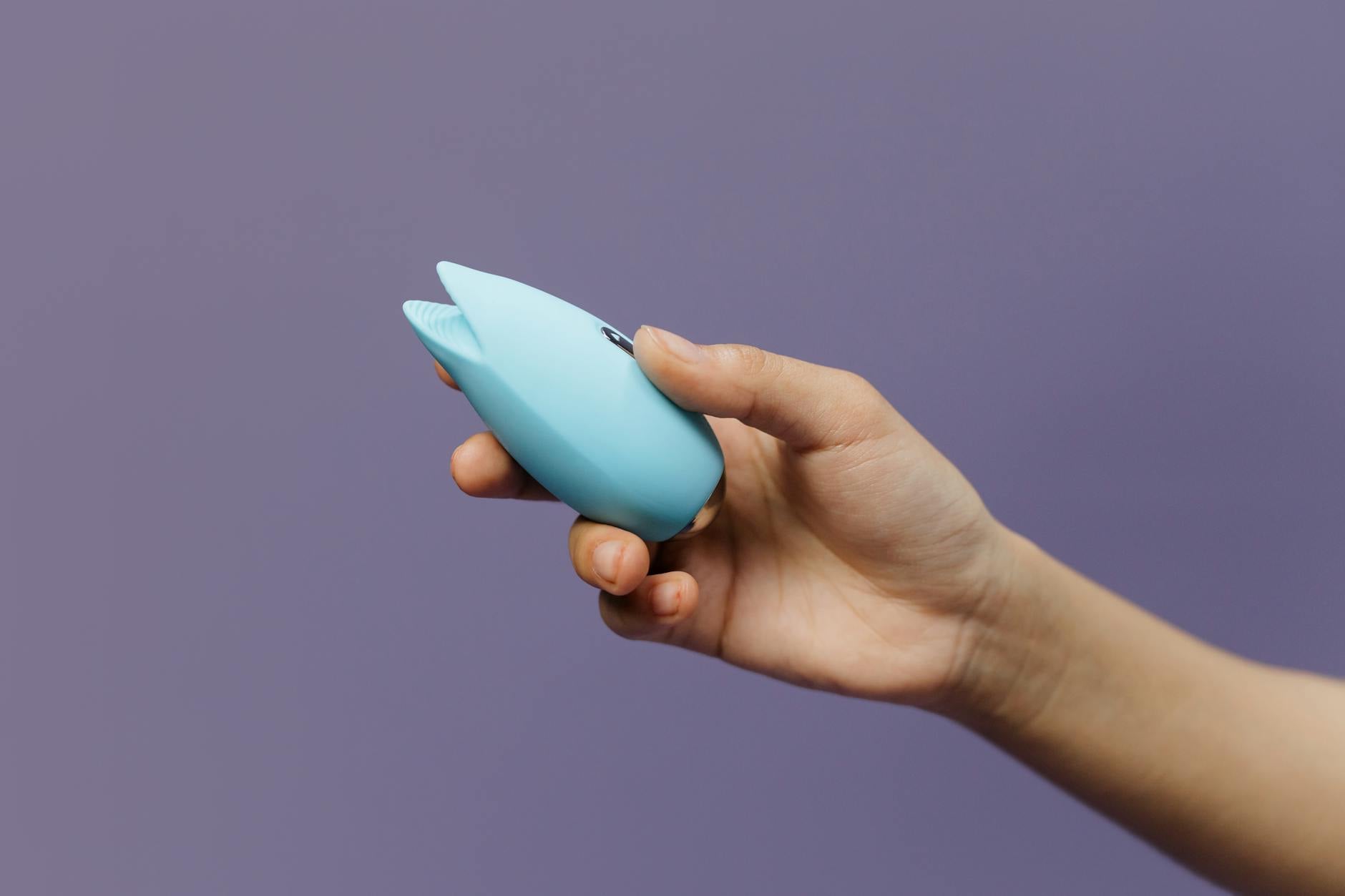
Your body used to respond one way. Now it responds differently. Not worse. Different. And that difference feels confusing until you understand what's actually happening physiologically and why a Lemon Vibrator designed for suction rather than straight vibration can feel like the missing piece.
Arousal changes across the lifespan. That's not a flaw in your body. That's just how human bodies work. The problem is that nobody explains this clearly, so when your arousal timeline shifts, you assume you're broken.
What actually changes in how your body arouses
Physiologically, arousal happens in predictable stages. Your blood vessels dilate, blood flow increases to your genitals, tissue engorges, lubrication appears, your heart rate climbs, and your nervous system activates. That sequence is universal. But the timeline and intensity of each phase shift across your life.
In your 20s, arousal might build in two to three minutes. By your 40s, that same mental or physical trigger might take eight to fifteen minutes to create the same engorgement. That's not enthusiasm fading. It's your cardiovascular system requiring a gentler approach, or your brain needing more mental foreplay before your body follows. Both are completely normal.
Tissue thickness changes too. Estrogen levels fluctuate with cycles, medications, or life stage. When estrogen is lower, vaginal and clitoral tissue becomes slightly thinner. That doesn't mean sensation disappears. It means direct, intense vibration might feel overwhelming where it used to feel exactly right. This is where suction-based stimulation like the Lemon Vibrator becomes useful. Suction spreads pressure across a wider area, creating deeper, more diffuse sensation rather than pin-point intensity.
Why your arousal slowdown is actually an upgrade
Here's the part people get wrong. Faster arousal in your 20s wasn't better. It was just different. Slower arousal in your 40s, 50s, and beyond gives you something faster arousal never did: the chance to really build anticipation.
When arousal builds gradually, your whole nervous system gets recruited. You have time to notice what actually feels good instead of being swept along in a surge. Orgasms that arrive after a longer buildup tend to feel more intense and longer lasting. That's not compensatory. That's actually more intense.
Partners often struggle with this shift too, especially if you've been together for years and your arousal timelines have always matched. Now you need fifteen minutes of foreplay instead of five. Your partner might feel like they've done something wrong. A conversation about this being a timeline shift, not a desire shift, helps. And using a Lemon Vibrator during partnered sex means you're getting the specific clitoral input you need while maintaining skin contact and intimacy.
The warm-up that changes everything
Four things make slower arousal feel less like a problem and more like a feature.
First, front-load the mental stuff. Arousal starts in your brain. If you're distracted, stressed, or mentally still at work, your body won't catch up no matter how good the physical stimulation is. Fifteen minutes of being present with your partner, having a real conversation, or spending solo time with your thoughts before touching yourself makes a real difference.
Second, extend your foreplay. Not as a chore. As the main event. Many people treat foreplay like an opening act and the "real thing" as the headliner. But if your arousal timeline has shifted, foreplay is where the pleasure actually lives now. Lean into that. Use that time to explore, tease, and let tension build. A Lemon Vibrator works beautifully in longer foreplay sessions because the suction pattern feels different than traditional vibration. You can stay with one pattern and sensation for longer without numbness or overstimulation.
Third, warm up your blood flow. Physical movement increases circulation. A ten-minute walk, some stretching, dancing to music you love. Getting your heart rate up beforehand means your cardiovascular system is already primed for arousal. Your body will then reach full engorgement faster during the actual sexual experience.
Fourth, use temperature as a tool. Warm hands, warm breath, warm lube. Cold sensations activate your sympathetic nervous system, which is the opposite of what arousal needs. Your partner's warm hands and mouth matter. Your Lemon Vibrator's room-temperature silicone is fine, but warming the lube in your hands first creates a more continuous sensation.
Why you might feel different arousal during solo play versus partnered play
Solos and partnered arousal are completely different physiologically. When you're alone, there's no pressure to perform or accommodate someone else's timeline. Your nervous system can relax into pleasure more fully.
When you're with a partner, even a partner you love, there's a mild activation of your sympathetic nervous system. That's just evolutionary. You're aware of another person's presence and needs. For some people, especially those in long-term relationships, this can mildly slow arousal buildup compared to solo play.
This is fixable. One thing that helps is treating partnered sex as a collaborative thing rather than something one person orchestrates. If you're using a Lemon Vibrator during partnered sex, you're not signaling "I need external help." You're signaling "Here's what I like." There's a psychological shift there. Your partner becomes a collaborator in your pleasure rather than someone you're trying to keep pace with. That shift reduces some of that sympathetic nervous system activation and lets you actually sink into the slower arousal timeline.
Many couples find that having the toy present and normalized from the start removes the awkward introduction mid-session. It becomes part of the conversation and the play, not an afterthought.
When changing arousal patterns signal something else
Shifting timelines are normal. But sudden, dramatic changes deserve a check-in with yourself. Have you been stressed? Is your sleep terrible? Are you on new medications? Has your relationship shifted? Are you dealing with grief or significant life change?
Arousal is one of the first things to shift when your nervous system is overwhelmed. It's a sign, not a diagnosis. If something has genuinely changed and it's bugging you, talk to your doctor. Sometimes it's hormonal. Sometimes it's vascular. Sometimes it's that you're exhausted. All of those have solutions.
But if you've always had a slower arousal timeline or it's shifted gradually over years, that's just how your body works now. And working with it rather than fighting it opens up a whole different experience.
The patience piece
Here's what I tell people in my practice: your slower arousal isn't a deficit. It's an invitation to slow down the rest of your life for those moments. When you stop treating arousal speed as a measure of desire and start treating longer buildup as more pleasurable, everything changes.
Your partner noticing and leaning into the longer timeline. Your own brain relaxing about performance. Tools like the Lemon Vibrator that create sensation without pressure. These pieces together create arousal that's often more satisfying than the quick-response arousal of earlier years. Give yourself permission to take the time your body actually needs.
People also ask
How long should arousal actually take?
Anywhere from five to thirty minutes is completely normal. There's no correct timeline. What matters is that you and your partner (if you have one) are on a similar wavelength about how long you'll spend building arousal before moving into other kinds of touch or penetration. Communication beats assumptions every time.
Can you speed up slower arousal?
You can optimize it, not force it. Better sleep, less stress, more physical fitness, and more mental foreplay all help. But trying to rush arousal that's naturally slower usually backfires. Lean into the slower timeline instead. Many people find it more pleasurable once they stop fighting it.
Does lube help if arousal takes longer?
Yes. If arousal is slower and tissue engorgement is less dramatic, lubrication becomes more important. Water-based lube works great and won't damage silicone toys like a Lemon Vibrator. Warming the lube in your hands first makes it feel more integrated into the experience rather than like a separate product.
Is slower arousal a sign of low desire?
Not necessarily. Slow arousal and strong desire are completely separate things. You can want sex intensely and have your body take twenty minutes to fully respond. Those aren't contradictory. The desire is there. Your body's activation just follows a different timeline.
How do Lemon Vibrators help with slower arousal?
Suction stimulation like the Lemon Vibrator creates a building, wave-like sensation rather than the direct intensity of traditional vibration. This works really well for people whose arousal timeline has shifted. You can build sensation gradually without the risk of overstimulation. The suction pattern also feels different across your body's changing tissue thickness, often feeling more comfortable and more pleasurable than direct vibration would.
Should I tell my partner my arousal changed?
Absolutely. Most partners want to know so they can adjust their approach. Framing it as "my body's timeline shifted and here's what actually feels good now" is way more useful than hoping they'll somehow intuit it. A lot of conflict in long-term relationships happens because people's arousal timelines shift and neither person explicitly names it. Say it out loud.