
Let's talk about what happens to your body when you've been apart
Honestly? Extended separation does something to couples that most people don't name out loud. It's not just missing someone. It's the way your nervous system has adjusted to them not being there. The pillow stays on one side of the bed. You stop reaching for them in the dark. Your body forgets the feel of their skin.
When you reunite, that reconnection needs to be more than emotional. It needs to be physical. And for many couples, jumping straight back into sex the way it was before creates pressure instead of pleasure. That's where intention comes in. And for a lot of people, that's where Lemon Vibrators help.
Why rebuilding touch takes time
Your body has memory. After weeks or months apart, your nervous system has downregulated touch as a primary language. You've learned to soothe yourself without it. You've built new rhythms. When your partner suddenly reappears, that sudden shift feels big, sometimes overwhelming.
Add in the emotional weight. If the separation was painful, there might be hurt underneath the joy. If it was logistical, there might be resentment about lost time. If it was by choice, there might be doubt about whether you've changed in incompatible ways. All of that lives in your body.
The most common mistake couples make is assuming sexual chemistry just picks up where it left off. It doesn't. And that's not a failure. That's reality.
The role of clitoral vibrators in rebuilding intimacy
Here's what lemon sexual toys do in this context. They give your body permission to feel pleasure without the performance pressure of simultaneous orgasm or the expectation of a specific timeline.
When you're using a clitoral vibrator together, especially something like the lemon vibrator from Lemon Vibrators, the focus shifts. It's not about "will this lead to sex." It's about sensation. It's about paying attention to what feels good right now. It's about your partner watching you respond, learning your body again as if for the first time.
That matters because touch after separation is vulnerable. You're saying, "I trust you with this version of my body that's been without you." A vibrator makes that consent concrete. It's a tool you've both agreed to. It removes the ambiguity.
Starting with the conversation (yes, before the device)
This is the part people skip and then wonder why it felt awkward.
Before you introduce a lemon clitoral vibrator or any adult toy, say this out loud to your partner: "I want to rebuild how we touch each other. I'm nervous about it. I'm also excited. What would help you feel safe?" Then listen.
Don't assume they know about Lemon Vibrators. Don't assume they want to use one. Some partners light up at the idea. Others need to think about it. Some need reassurance that it's not replacing them. Address that directly.
A solid sentence: "I want your hands and this toy. They do different things. Both help me feel closer to you." That's it. Clear. Non-negotiable without being aggressive.
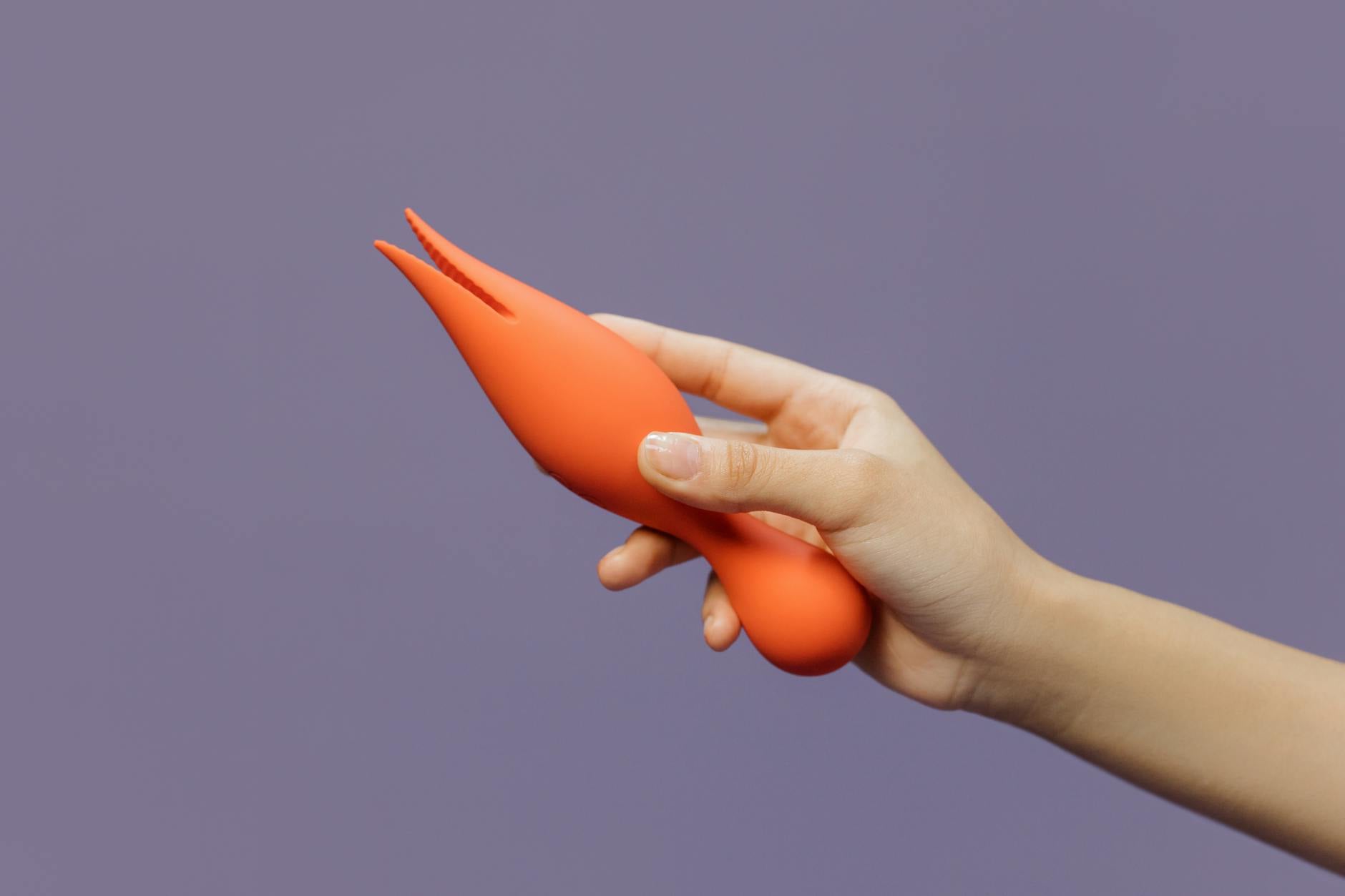 Photo by cottonbro studio on Pexels
The actual mechanics. Where to start.
First time using a lemon vibrator together after time apart, I recommend starting solo or with their hands only. Let them watch. Let them ask questions about what the vibrator does, how it feels, what patterns you like.
Then they can try it on you. Start on lower settings. The Lem vibrator has multiple intensity levels for exactly this reason. Your body needs time to remember pleasure. It's not a sprint.
Second session, you might touch them while they hold the vibrator against you. Third session, you both explore. There's no timeline. There's no finish line. This is about relearning each other.
Why sensation comes before intensity
After months or years apart, your nervous system is cautious. If you jump to high intensity, your body might interpret that as overstimulation instead of pleasure. It's the difference between feeling safe enough to let go and tensing up.
Start with the vibrator on setting one or two. Spend time there. Notice what you notice. Does the suction feel soothing or weird? Does the pattern feel rhythmic or chaotic? Does your body relax into it or resist?
This information matters because it tells you what your body actually needs. Not what you think it should need. Not what looked good in the description. What your actual nervous system says feels good.
The partner's role beyond holding the toy
This is where rebuilding intimacy gets real. Your partner isn't an accessory to the vibrator. They're the person who's been missing you.
While you're using a lemon adult toy, they can be watching your face. Kissing your neck. Running their hands over your skin. Telling you what they notice. That combination is what reopens the emotional channel that distance closed.
If they want their hands inside you too, great. If they want to be inside you while the vibrator is running, great. If they want to just be present and attentive, that's enough. The point is presence. Not performance.
Common friction points and how to move through them
Sometimes after time apart, one partner wants to jump back in and the other feels slower. Sometimes the slower partner worries they're holding the other back. Sometimes there's guilt involved.
If this is you, name it. "I'm moving slower than you, and I'm worried you're frustrated." If you're the one wanting more, say that too. "I'm eager to reconnect, and I don't want to pressure you." Then find the middle ground. Maybe that's using a lemon vibrator together twice a week. Maybe it's scheduling it, which sounds sterile but often feels safer.
Scheduling intimacy after extended separation isn't romantic failure. It's honoring that you both need psychological safety to rebuild physical trust.
When sensation feels different than you remember
Your body changes. Their body changes. What felt incredible before might feel different now. That's not bad. It's just information.
Sometimes separation creates physical shifts. Stress changes your nervous system. Hormones shift. Pelvic floor tension increases from anxiety. If pleasure feels harder to access, that's worth a conversation with a provider. But it's also worth exploring with your partner through slow, intentional touch and consistent pleasure with tools that help your body respond.
A Lemon Vibrator can actually help you map what your body needs now. Not what it needed before. Not what you think it should need. What it actually needs.
 Photo by Anna Shvets on Pexels
Building back to sex (if that's what you both want)
Not every post-separation reconnection needs to go straight to penetration. Some couples find that rebuilding through non-penetrative touch and vibrator use actually deepens what happens when they do have sex.
When you're ready to include penetration, the vibrator can still be part of it. Many people orgasm more reliably when a clitoral vibrator is part of the picture. That reliability builds confidence. And confidence is what lets you actually be present instead of stuck in your head worrying whether it's going to happen.
Lemon sexual toys aren't a backup plan for intimacy. They're an addition to it. They're a way of saying: I want pleasure. You're part of that. This tool is part of that. Let's figure out what works now.
The emotional piece under all of this
Here's what I see as a relationship coach. Couples who take time to slowly rebuild touch after separation have better sex. Not because the vibrator is magic. Because they've created safety. They've communicated. They've learned each other's bodies again.
Extended time apart doesn't have to leave a mark. It can actually reset a relationship if you move through reconnection with intention. And intention starts with showing up for each other's bodies the way they are now, not the way they were.
Frequently asked questions
How long should we wait after getting back together before using toys?
There's no waiting period. If you both want to, you can start right away. If you want a few days to just hold each other first, that's also fine. The timeline is yours. What matters is that you're both genuinely interested, not doing it because you think you should.
What if my partner is nervous about toys in general?
That's common. Some people grew up with messages that toys mean the relationship isn't enough. They're not. Start with honesty. "I want to use this for me, and I'd love you to be part of that. But we don't have to figure it out tonight." Then let them sit with it. Many partners come around once they realize the vibrator isn't replacing them. It's enhancing what's already there.
Can we use a lemon vibrator if we haven't had sex in years?
Yes. In fact, you might find that starting with a vibrator feels less loaded than penetrative sex after years apart. It's a different kind of intimacy. It gives your body and nervous system time to remember pleasure without the pressure of "performing" sex the way you used to.
Will using a vibrator make it harder to orgasm without one later?
No. Your body doesn't become dependent on toys. Your nervous system learns that vibration feels good, and that's it. You can still orgasm without it. Many people just prefer the reliability of the vibrator for the first few sessions after reunion.
What if only one of us wants to use the vibrator?
That's fine. One partner can use it while the other watches, touches, and participates however feels good. It doesn't have to be simultaneous. It doesn't have to be the same. It just has to be consensual and honest.
How do we know if reconnecting with a vibrator is working?
You'll feel it in your nervous system. You'll stop tensing when they touch you. You'll reach for them first instead of waiting. You'll look forward to intimacy instead of dreading it. You'll laugh during sex instead of focusing on performance. Those are the signs.
The bigger picture
Reconnecting after extended time apart is one of the bravest things a couple can do. You're choosing to be vulnerable with someone you've had to live without. You're rebuilding trust in your bodies together. A lemon vibrator is just a tool. The real work is the intention you bring. The conversations you have. The willingness to learn each other again as you are now.
That's what moves couples from surviving separation to actually using it as a chance to deepen. If you need support navigating relationship reconnection, reach out. We're here.