Here's the thing nobody says in the waiting room
You're on a medication that saves your life or improves it dramatically. And then it flattens your ability to feel pleasure. No orgasm. No sensation in your clitoris. No interest, even when you want to want it. Your doctor asks if you have side effects and you say no, because how do you explain that in 30 seconds, and what are they going to do anyway?
This happens to millions of people. SSRIs, SNRIs, blood pressure medications, hormonal birth control, antipsychotics. The list is long. And here's what I know from working with couples: the problem isn't broken. It's a misalignment between your nervous system and your body. Medication changes how your brain processes pleasure signals, or how your blood vessels respond, or both. That's fixable.
Why medication dulls sensation in the first place
Let me break down what's actually happening so you're not just guessing.
Antidepressants (especially SSRIs like sertraline or paroxetine) work by increasing serotonin in your brain. That's the point. But serotonin also suppresses dopamine in certain neural pathways, and dopamine is one of the major pleasure chemicals. Lower dopamine means arousal takes longer, orgasms feel muted or impossible, and sensation in your genitals can feel like you're touching someone else's body.
Blood pressure medications (beta-blockers, ACE inhibitors) reduce blood flow to the genitals. Orgasm requires a specific sequence of blood vessel responses. Restrict that flow and everything slows down. Some people describe it as numbness.
Hormonal birth control and other hormonal treatments lower testosterone and estrogen in ways that affect clitoral sensitivity directly. The tissue gets less engorged during arousal, which means less sensation to work with.
The weird part: your body can still have a physical orgasm. Your brain just might not feel it. Or it might feel like a sneeze. Or nothing at all.
Why standard vibrators don't help (and why Lemon vibrators do)
Most vibrators rely on deep, rumbly vibration that requires significant nerve response to register. If your medication has dampened nerve sensitivity, a standard toy won't create enough sensation to cross that threshold.
Lemon vibrators use air-suction technology instead. This works differently than vibration. Rather than asking your nerves to feel a buzzing motion, suction creates a gentle vacuum and release pattern that stimulates the clitoris more directly. It's like the difference between touching your arm and tapping your shoulder. Same nerve endings, but different signal.
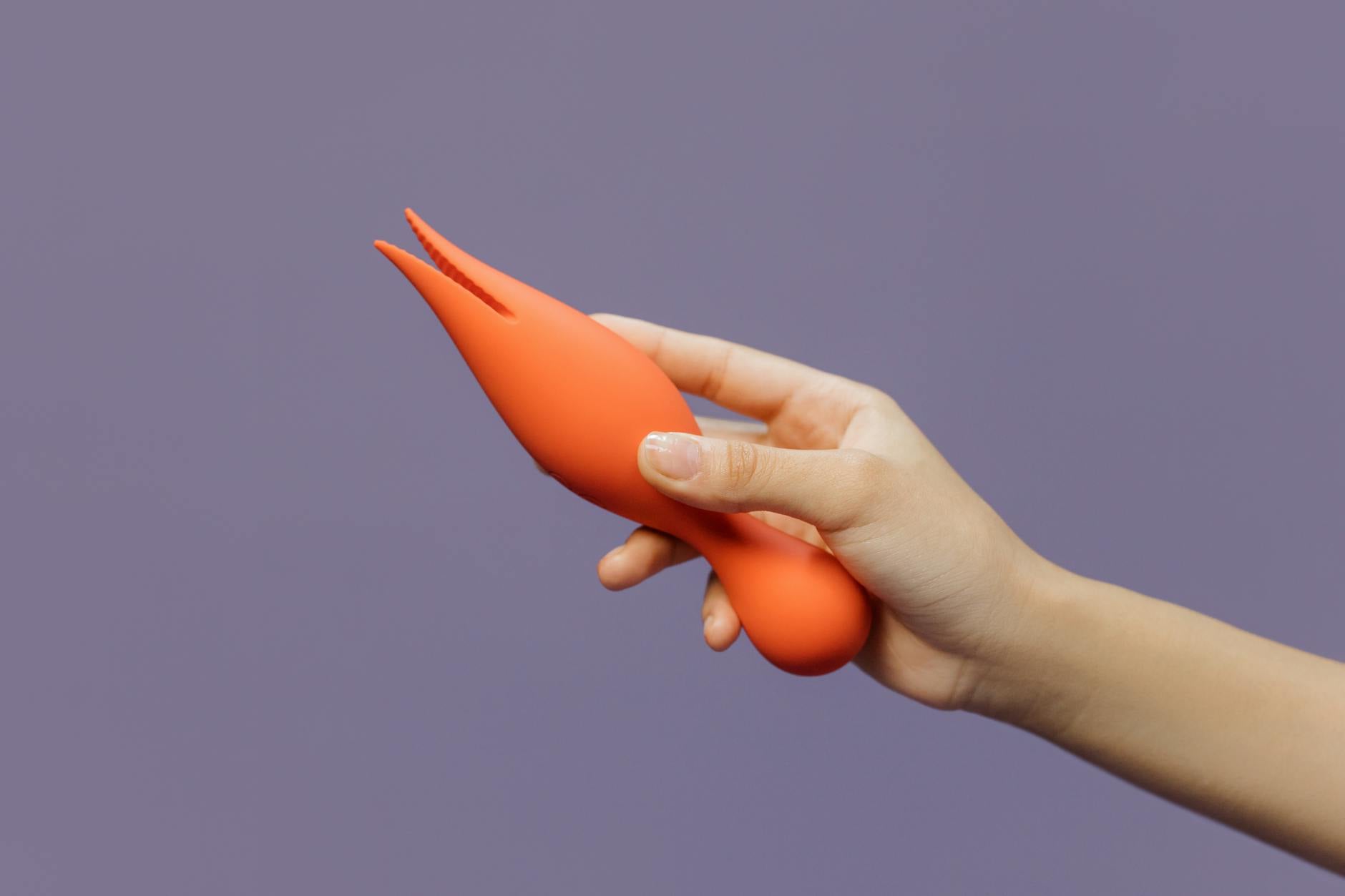
The Lem, for example, combines suction with gentle pulsing. Because it doesn't rely entirely on deep rumble, it can wake up sensation that medication has quieted. Many people on SSRIs report that the Lem creates sensation they thought was completely gone.
The setup that actually works
Three things have to be true for this to work:
First, you have to give your body permission to feel different. Medication-dampened pleasure doesn't feel like pleasure. It feels like neutral or vaguely warm. Your brain will try to convince you it's not working. It is. The sensation is just smaller than you remember.
Second, you need longer warm-up time than you think. When medication slows dopamine and blood flow, arousal takes 20-40 minutes instead of 5. Stop assuming something is wrong at the 10-minute mark. Give yourself the full time.
Third, you need to reduce pressure. Many people try to force an orgasm with medication-dampened sensation, which creates tension that blocks everything. Lower your expectations for this session specifically. Aim for sensation, not conclusion.
The actual routine
Here's what I recommend to couples where one partner is on medication that affects sensation:
Start with 10 minutes of non-sexual touch. Massage, kissing, whatever you actually want. No goal. Just time to let your body notice sensation.
Then move into solo exploration with the Lem. Start at pattern one or two, not higher. Let it run for 30 seconds, then pause. Move it slightly, then restart. You're teaching your body to notice these smaller sensations. This takes patience, but it works.
If you're with a partner, they can be present without touching. Some people find that helpful for the psychological part. Others find it adds pressure. You know which.
If you reach an orgasm, great. If you reach a place where sensation is present but orgasm doesn't happen, that still counts. Your goal right now is reconnection, not completion.
When to talk to your doctor (and what to ask)
Don't stop taking your medication. But do tell your doctor that sexual side effects are affecting your quality of life. This matters.
They might adjust your dose slightly. They might suggest a different time of day to take it. They might switch you to a different medication in the same class. Some people do switch from an SSRI to bupropion (which actually increases dopamine rather than decreasing it).
They might also add something. Low-dose buspirone or bupropion as an add-on can sometimes reverse sexual side effects without reducing the antidepressant's effectiveness. This is less common than it should be, but it's possible.
What you're looking for: a doctor who doesn't dismiss sexual side effects as a small price to pay. Your mental health and your pleasure both matter. They're not in competition.
The mind piece (which is actually the biggest piece)
Here's what couples therapists know that sex therapists sometimes forget: much of what you're experiencing isn't just physiological. It's also grief, frustration, and disconnection from your own body.
You had a body that responded a certain way. Now it doesn't. That's a loss. Skipping over that part and jumping straight to "let's try a new vibrator" misses the emotional work.
If you're in a relationship, this conversation matters: "I miss how my body used to feel, and I'm also learning how it feels now. Can we explore this together without pressure?" That's different from "My medication is broken" or "I'm broken."
If you're solo, the conversation is internal: "My body is still mine, it's just different right now." That sounds simple. It's not. But it's necessary.
What changes when you actually address this
You don't get your old sensation back. That's not the goal. The goal is building new pathways to pleasure that work with your current medication and your current nervous system.
Many people find that using a clitoral vibrator like the Lem regularly (2-3 times per week) actually increases baseline sensation over time. Your nervous system starts to remember how to register pleasure in smaller increments. It's not a cure, but it's a real shift.
Your relationship, if you have one, also shifts. You're not waiting for something to go back to normal. You're actually building something new together. That's more interesting than just recreating what used to be.
FAQs on medication and pleasure
Can I use a clitoral vibrator if I'm on multiple medications that affect sensation?
Yes, and it might actually help more. Multiple medications affecting sensation means your nervous system needs more help registering pleasure. The air-suction technology in lemon vibrators can sometimes cut through that better than vibration alone.
Will using a Lem vibrator interfere with my medication?
No. A vibrator is a physical device. It doesn't interact with pharmaceutical molecules. What it does is create a sensation pathway that can sometimes work around dampened neural signaling.
How long does it take to feel something again?
First sessions, you might feel nothing. Second or third session, you might notice something small. Real reconnection usually takes 4-6 weeks of consistent use. That sounds long because you're used to instant sensation. Medication took that away gradually. Rebuilding it takes time.
Is this permanent, or will I regain sensation if I stop my medication?
It varies. Some people who switch medications regain full sensation. Others find that the sensitivity stays reduced. That's why building new pathways now matters. You're not betting on change. You're building capacity that works regardless.
What if I use a vibrator and still feel nothing?
That's real feedback. It tells you that your medication dose or type might need adjustment. This is a conversation for your doctor that has actual data behind it: "I tried X and Y and still have no sensation." That's different from "I don't feel good." Doctors take measured reports seriously.
Can my partner use the vibrator on me if I'm on medication?
Absolutely. Sometimes external control (someone else directing the sensation) helps when self-directed use feels lonely or pressured. The key is communication: "I want you to experiment and pause when it feels good, even if it's small."
The bottom line
Medication and pleasure aren't actually in conflict. They just need a different approach. Using lemon vibrators when medication has flattened sensation isn't a workaround. It's a legitimate way of rebuilding your capacity for pleasure on your own terms, at your own pace, without sacrificing the mental health support you need.
Your medication saved your life. Now it's time to save your pleasure too. If you have questions about finding the right approach for your situation, reach out to our team at /contact. We work with a lot of people navigating exactly this, and we know what helps.
You don't have to choose between healing and feeling good. You get both.