Let's be real about what happens to your body image after medical trauma
A hysterectomy. Cancer treatment. Reconstructive surgery. Pelvic floor dysfunction. Miscarriage. Illness lasting weeks that left you depleted. Any of these can create a disconnect between the body you had and the body you have now. That gap isn't just physical. It's psychological, emotional, and sometimes deeply lonely.
The sexuality part gets quieter after medical events because nobody really talks about it. Your doctor clears you for penetrative sex but doesn't mention that you might feel numb, or scared, or like you're living in someone else's body. Your partner tries to be patient but doesn't know how to hold space for grief that looks like not wanting to be touched. You scroll through wellness blogs that talk about "reclaiming your body" in vague, motivational language that doesn't help you actually do it.
Here's what I've learned from working with dozens of people navigating this exact terrain: rebuilding sexual confidence after a medical event isn't about forcing pleasure back into your life. It's about giving yourself permission to explore what feels good right now, in this body, with its new boundaries and sensations.
Why rebuilding confidence matters more than you think
There's a practical reason sexual reconnection matters after medical trauma. When you lose access to a part of your physical self, it often triggers a larger question: Am I still me? Am I still desirable? Can my body still feel good?
Those questions sit in your nervous system. They affect how you move through the world. Rebuilding confidence isn't vanity. It's proof to yourself that you're still intact, still capable, still worthy of pleasure.
The fear also has a physical dimension. Many people tense up during pleasure after surgery or illness because they're unconsciously bracing for pain. That tension blocks arousal. It creates a cycle where fear prevents the very pleasure that would prove to you that you're okay. Breaking that cycle requires gentleness, control, and tools that let you go at your own pace.
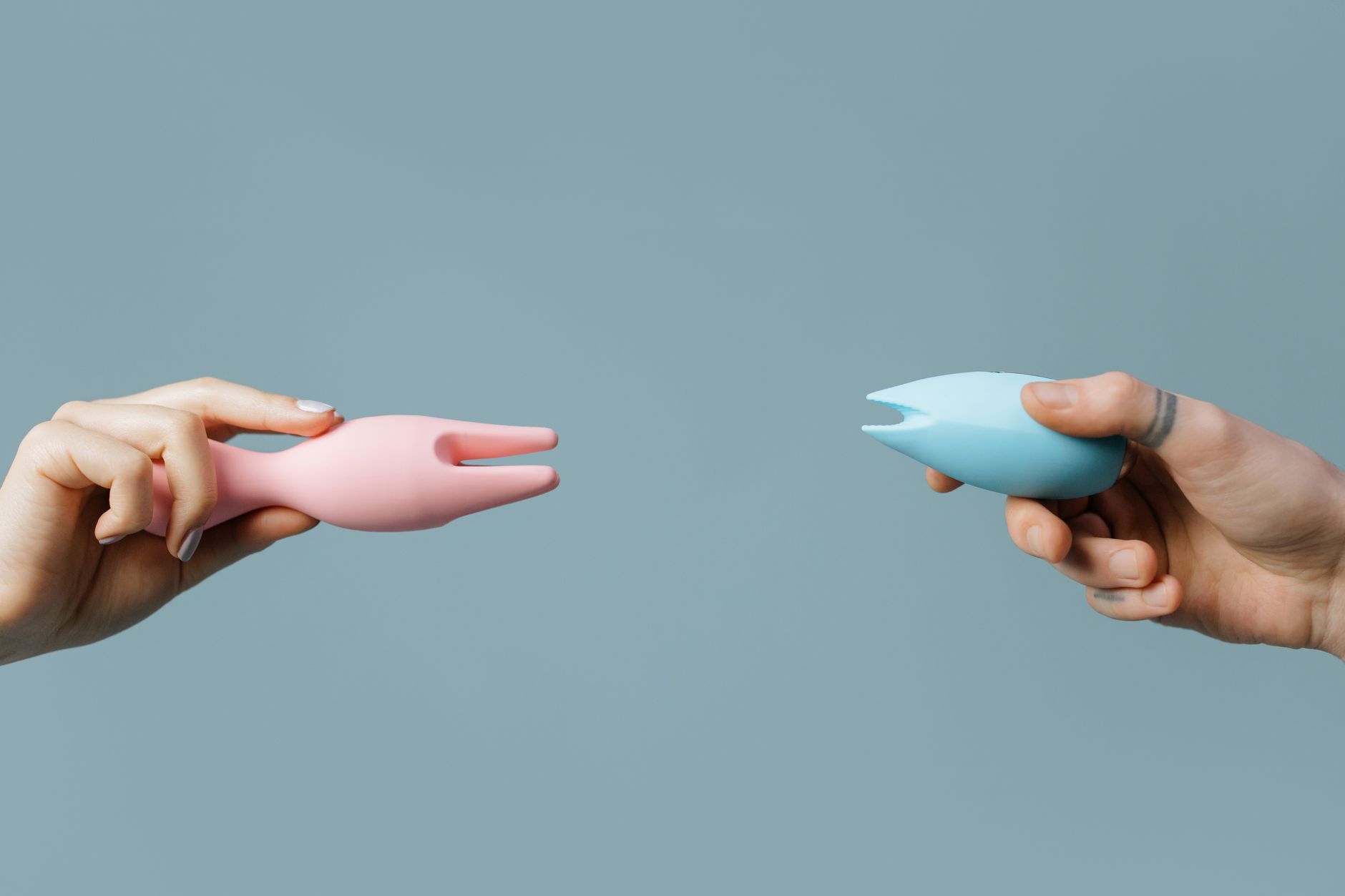
Photo by cottonbro studio on Pexels
Why lemon vibrators work differently when you're rebuilding
Clitoral vibrators like those from Lemon Vibrators have three advantages when you're navigating post-medical confidence rebuilding:
First, suction-based stimulation bypasses fear. Air-pulse technology doesn't feel like pressure. It feels like gentle draw. For people whose bodies learned to brace after surgery or illness, that difference matters enormously. You're not pushing into pain. You're being drawn into sensation. Psychologically, that shift changes everything.
Second, you have complete control. You can start on the gentlest setting and stay there for weeks if you need to. You don't have to prove anything. You don't have to reach orgasm. You don't have to prove you're "healed." The lemon sucker lets you explore at a pace that feels safe.
Third, solo play rebuilds agency. After medical events, your body often feels like it belongs to doctors, or to a partner who's worried, or to the illness itself. Solo exploration with a lemon clitoral vibrator is the first time in months (sometimes years) that your body belongs only to you. That's not a small thing.
The timeline nobody tells you about
Rebuild looks different depending on what your body went through. If you had surgery, medical clearance usually comes at 6-8 weeks, but neurosensory recovery can take months or years. If you had cancer treatment, the changes to your tissues and energy are ongoing. If you experienced miscarriage or pregnancy loss, the disconnect from your sexuality is real even though the medical event was brief.
There's no right timeline. You might use a lemon vibrator once a week for three months and feel fine. You might feel stuck at the same place for six weeks and then suddenly shift. Both are normal.
What matters is separating medical healing from sexual confidence. Your doctor cleared you for sex. That's good. But being medically healed and feeling sexually confident are two different things. Give yourself permission to need more time on the confidence piece.
Getting started: the first solo session
Pick a time when you're alone, unhurried, and not expecting an outcome. No partner in the house. No pressure to go further. Your only job is to feel what happens when you introduce gentle sensation to your body. That's all.
Start fully clothed if that feels safer. Use the lemon vibrator over underwear first. Notice what the sensation feels like. Is it pleasant? Is it neutral? Does it feel scary? All of those are information. Stay in that place for five to ten minutes. That's enough for the first time.
If pleasant or neutral sensations appear, great. If fear or numbness dominates, that's also data. It means your nervous system needs more time to feel safe. Come back tomorrow or next week. There's no deadline.
When you're ready, explore on skin. Start with the lowest setting. The goal isn't arousal or orgasm. The goal is simple sensation. I'm touching myself. My body is responding. I'm okay.
Building the nervous system bridge
After medical trauma, your nervous system learned that your body is unsafe. Pleasure rebuilding is about teaching it something different, one small sensation at a time.
This is why the pacing matters. If you jump straight to intensity, your body will interpret that as threat. You'll tense, feel numb, or associate the vibrator with anxiety instead of safety. None of that serves you.
Instead, use this ladder:
Week 1-2: Gentle exploration over clothing. No orgasm goal. Just noticing sensation.
Week 3-4: Direct contact on skin, lowest setting only. Same goal. You're teaching your nervous system that direct touch is safe.
Week 5-6: Try pattern variations or slightly higher settings only if week 3-4 felt genuinely good. If it's still new, stay with gentle. There's no rush.
Week 7+: Once gentle sensation feels reliably safe and occasionally pleasurable, you can experiment. Try different patterns. Spend longer. Explore what builds arousal without forcing it.
The whole process might take weeks or months. That's not failure. That's your nervous system doing its job, which is slowly rewiring the message that your body is safe for pleasure.
When to involve a partner
If you're in a relationship, eventually you might want to bring your partner into this. But not yet. Let yourself have weeks of solo rebuilding first. This isn't about excluding your partner. It's about establishing your own relationship with your body before adding another person's desires into the mix.
When you do involve a partner, lead with what you've learned about yourself. "When I use the vibrator on the lowest setting, it feels good." "I'm still nervous when it gets too intense." "I need us to check in before we try anything new." You're the expert on your own body. Your partner's job is to follow.
If your partner struggles with the slower pace or wants to move faster than feels safe, that's a separate conversation to have with a therapist. This is about your rebuilding, not accommodating their impatience.
The emotional part nobody mentions
Rebuild often triggers grief. Using a vibrator might make you cry. You might feel angry. You might feel joy followed immediately by sadness. All of that is normal and part of the process.
Your body is mourning what it lost. At the same time, it's discovering that pleasure is still possible. Both things happen together. When grief shows up during solo play, let it. Pause the vibrator. Cry. Breathe. Come back when you're ready. Or don't come back that night. It's all okay.
If the emotional weight becomes overwhelming, a therapist who specializes in medical trauma or sexual health can help. You can reach out anytime if you want to talk through your specific situation. There's no shame in needing support.
When you're ready to explore more
Once gentle sensation feels consistently safe, you have room to experiment. Different settings. Different patterns. Longer sessions. Maybe incorporating lemon vibrators into partnered sex, or maybe staying solo. The point is you're choosing based on what feels good, not what you're supposed to do.
Some people find that exploring different sensations and patterns helps them feel like they're actively reclaiming pleasure. Others need to stay with the gentlest option indefinitely, and that's completely fine. Your body, your pace, your rules.
If you're rebuilding intimacy in a relationship, know that you don't have to be "fixed" to have good partnered sex. Many people find that bringing a vibrator into partnered play actually deepens connection because you're not performing, you're genuinely engaged with pleasure.
FAQ: Rebuilding Confidence After Medical Events
How long does it usually take to feel sexually confident again after surgery?
There's no standard timeline because so much depends on the surgery, your baseline, and how your nervous system processes trauma. Medical clearance usually comes at 6-8 weeks. Sexual confidence often takes 3-6 months, sometimes longer. Some people rebuild quickly. Others need a year or more. All of that is normal. The key is tracking what's working, not comparing yourself to anyone else's timeline.
Is it normal to feel numb during pleasure after medical trauma?
Yes, completely normal. Numbness is often how the nervous system protects itself. It's saying "I'm not ready to feel that yet." That doesn't mean you're broken or that pleasure is gone. It means your body needs more time to feel safe. Keep exploring at gentle intensities and the sensation often returns gradually.
Can I use lemon vibrators if I had pelvic surgery?
Most likely yes, but check with your surgeon first. If they cleared you for penetrative sex, external clitoral stimulation is typically safe. Start slowly, use the gentlest setting, and stop if anything feels uncomfortable. If pain appears, pause and reach out to your doctor. Pain during recovery is data that something isn't ready yet.
What if my partner wants to have sex before I feel ready?
That's a crucial conversation to have outside the bedroom. You might say something like: "My body is medically cleared, but I'm still rebuilding confidence. I need us to go slower than you might want right now. This isn't about you. It's about me needing time to feel safe again." If your partner can't respect that boundary, couples therapy might help you navigate it together.
Should I tell my doctor I'm using a vibrator during recovery?
You don't have to, but there's no harm in mentioning it. Some doctors have valuable input about what's safe in your specific situation. Others get uncomfortable. You know your doctor. If you think they'll be helpful, ask. If you think they'll shame you, you don't owe them that information.
Is it okay to use a lemon vibrator if I still feel scared?
Absolutely. In fact, using it gently while you still feel scared is often how you teach your nervous system that it's safe. You're proving to yourself, over and over, that gentle sensation doesn't lead to harm. That's rebuilding. Stay with the lowest intensity. Pause whenever you need to. Let fear be there while you explore. That's brave.
The real work is permission
Rebuild isn't complicated. It's you, alone or with a partner, slowly learning that your body is still worthy of pleasure. A lemon vibrator is just a tool for that learning. The real work is giving yourself permission to take your time, to feel what you feel, and to stop performing healing for anyone else.
Your body went through something hard. It deserves gentleness now. That gentleness starts with you.