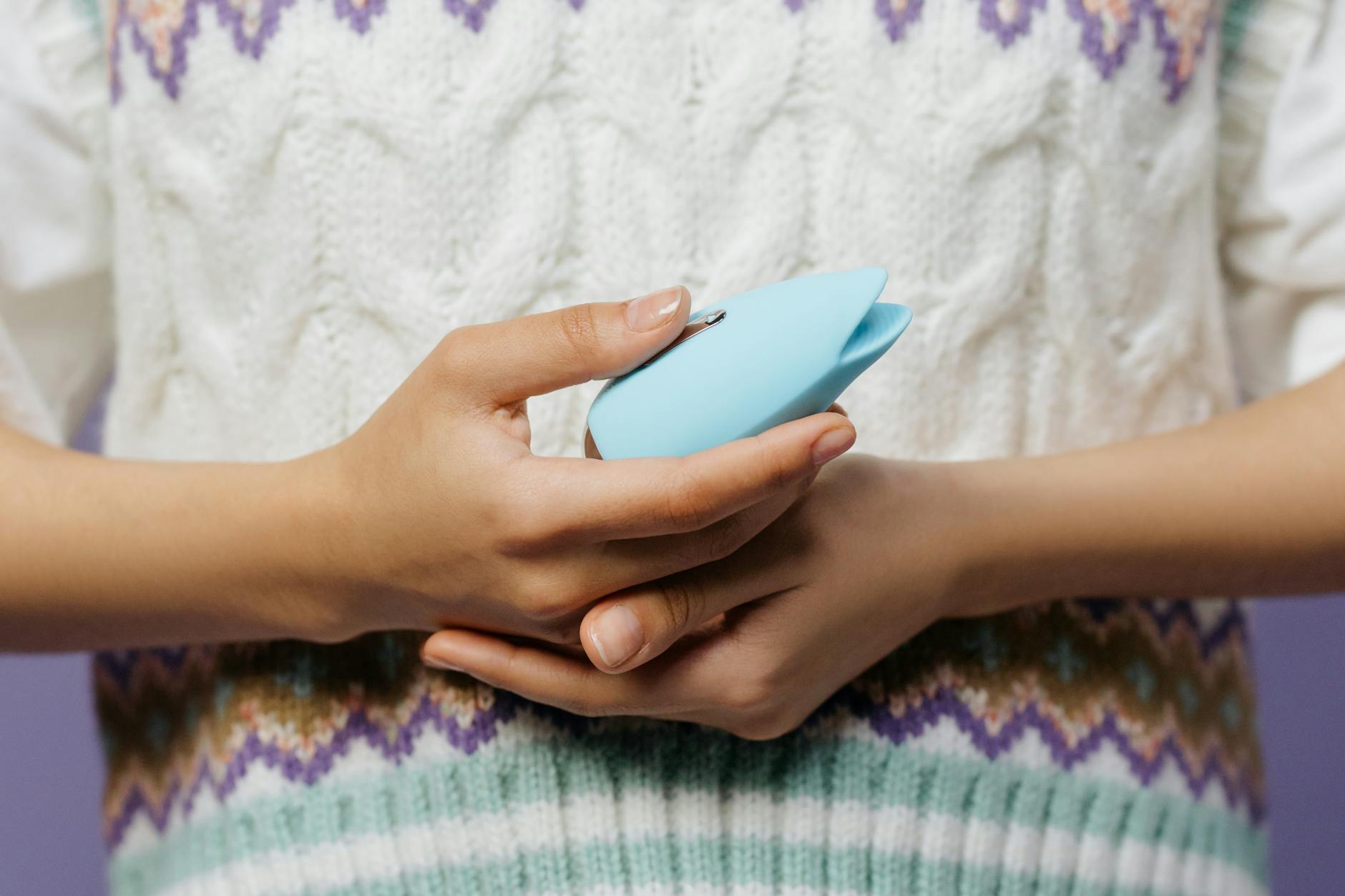
Let's talk about what happens when the relationship ends
You've spent years, maybe decades, calibrating your pleasure around someone else's rhythm. Their timing, their preferences, their body's responses. And then suddenly, you're alone. Your own touch might feel genuinely unfamiliar. That's not dramatic. It's actually neurologically real. Your brain has spent years encoding pleasure as a partnered experience. Solo doesn't feel like freedom yet. It feels like starting over.
Here's what nobody tells you: this phase is genuinely valuable, and clitoral vibrators like those from Lemon Vibrators can help you move through it faster than you'd think.
Why your body feels like a stranger's
When you're partnered for a long time, something shifts. Your arousal pattern becomes responsive rather than self-generated. You're reading their cues, anticipating their touch, syncing with their pace. Your nervous system learns to turn on at the sound of them moving through a room. That's beautiful when you want it. But it also means you've spent years not doing the thing that solo pleasure requires: talking to your own body without mediation.
Add in the emotional layer. Breakups mess with your nervous system. You might experience what I call "pleasure numbness," where stimulation that used to feel good feels muted or weird. This is your brain protecting you while it processes loss. You're not broken. You're just grieving.
The other thing that happens, especially for people who were the receptive partner in a long relationship, is that they've outsourced the "I want this" part of desire. You became very good at noticing what your partner wanted, and less practiced at asking yourself what you actually crave when nobody's watching.
Starting with curiosity, not performance
Here's the mental shift that matters most: solo exploration isn't about reaching an orgasm. That's not the goal. The goal is reconnection. You're basically interviewing your body. What kind of touch makes your breath change? Where do you like pressure versus softness? How much time does your arousal actually need when you're not rushing to match someone else's timeline?
Lemon Vibrators work well for this precisely because they're different from partnered sex. The sensation of suction on the clitoris is distinct. It's not something you probably experienced in your long relationship. That novelty can actually help your brain decode "this is mine, this is solo" in a way that familiar sensations won't.
Start slow. Spend fifteen minutes just holding the vibrator, maybe on the lowest setting, with no goal. Notice what your body tells you. Some people find that their arousal needs gentleness right after a breakup. Others need intensity to feel anything at all. Neither is wrong.
The mechanics of rediscovery
When you're solo and exploring lemon clitoral vibrators for the first time after a long relationship, a few practical things help:
Give yourself time to warm up. Your body might need longer than it used to. You're not getting the psychological buildup that partnered anticipation provides. Budget 20-30 minutes instead of assuming arousal will just happen. That's not failure. That's the real timeline for your body right now.
Use lube, even if you didn't partnered. Solo, your body might respond differently. Water-based lubricant takes pressure off the sensation of needing to be "ready" and lets you focus on what actually feels good. Lemon Vibrators work beautifully with any water-based lube.
Experiment with the patterns. If you're used to one pace or sensation from a partner, Lemon Vibrators offer variety you probably haven't felt. Spend time on different settings. Notice which ones make your breath change. Your nervous system is re-learning what pleasure feels like.
Let yourself feel awkward. And then let that pass. The first few times you touch yourself solo after a long partnership can feel weird, sad, or disconnected. That's normal. You're literally rewiring a neural pathway. It takes a few sessions for your brain to understand that solo pleasure is valid and yours.
The emotional piece matters more than the physical one
I want to pause here because I see people skip this part, and it costs them. The physical exploration works better when you've done some emotional work. Journaling one question before you explore: "What do I want to feel right now, just for me?" Not what should turn you on. What do you want.
Some people discover they want to feel powerful. Some want tenderness. Some want the freedom to be loud. Some want to feel like their body is just theirs, no performance, no compromise. That emotional clarity changes the physical session. It gives your nervous system permission.
If shame comes up during solo exploration, pause and breathe. You were likely taught, implicitly or explicitly, that solo pleasure was shameful or less valuable than partnered pleasure. That message gets encoded pretty deep. Naming it when it arrives helps you move through it faster.
Consider exploring solo pleasure with the framework that works for you. Some people need gentler touch. Others need intensity. Both paths are valid.
Why suction feels different, and why that matters
Lemon Vibrators use suction rather than traditional vibration on the clitoris. If you spent your whole long relationship with a partner using hands or vibrators, this sensation is genuinely new. That's a feature, not a bug.
New sensation actually helps your brain categorize solo exploration as its own experience. Your nervous system benefits from the difference. You're not trying to recreate partnered pleasure. You're discovering something that belongs only to you.
The suction works by creating a seal and a gentle vacuum. It stimulates the clitoral nerve endings without direct friction. For people coming out of long relationships, this often feels more comfortable than vibration alone. It's intense but not harsh. Focused but not jarring. Many people find their sensitivity is higher during this transition period, and a lemon clitoral vibrator's gentler suction approach allows you to dial things up at your own pace.
Building a practice, not just an event
Solo exploration works better as something you do regularly, not as an occasional thing. Your nervous system learns through repetition. When you come back to the same practice multiple times, your body gets more responsive, not less. Arousal becomes easier. Your pleasure deepens.
Twice a week is a good starting point. The goal isn't an orgasm every time. Sometimes the goal is just noticing sensation. Sometimes it's reconnecting with your body. Sometimes it's processing grief through touch. All of those count.
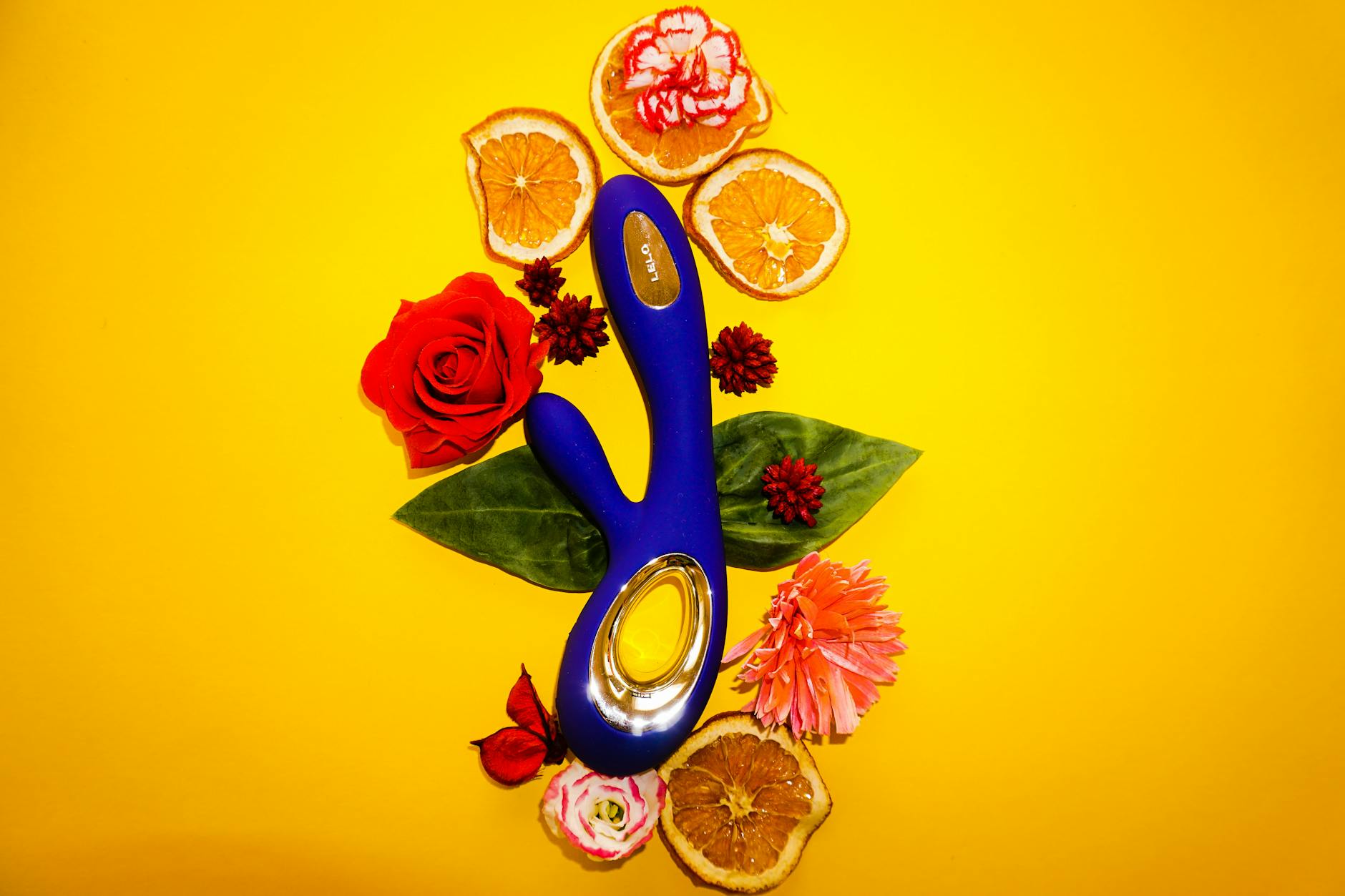
Photo by FounderTips on Pexels
As you build this practice, you might notice something unexpected: solo pleasure becomes less about needing a partner and more about knowing yourself. That changes how you show up in future relationships. You're not waiting to be turned on. You know your body. You know what you need. That's genuinely powerful.
When to bring a partner back in (or not)
Here's something I wish more people understood: solo exploration doesn't have to be a stepping stone back to partnered sex. Some people discover they actually prefer solo pleasure. Others rediscover desire for partnership, but from a totally different place, because they've reconnected with their own agency.
If you do want to bring a partner back into the picture eventually, your solo practice helps tremendously. You know what your body needs. You can actually ask for it. You're not trying to guess. That foundation of self-knowledge makes partnered pleasure richer, not less.
Some people find that exploring with Lemon Vibrators solo helps them understand what they didn't ask for in their long relationship. Maybe you need more direct clitoral stimulation. Maybe you need longer foreplay. Maybe you need permission to take your time. That knowledge becomes your foundation for any future partnership.
Expect nonlinear progress
You'll have sessions where pleasure feels easy and available. You'll have others where nothing lands and you're just sad. Both are part of this transition. Breakups aren't linear. Your nervous system is recalibrating. Your relationship to your own body is shifting. Some days that shift feels like freedom. Some days it feels like loss.
The practice is the thing that matters, not the consistency of the experience. Keep showing up for yourself. Your body will find its way back to you.
FAQs
Is it normal to feel disconnected from your own body after a long partnership?
Completely normal. After years of partnered intimacy, your nervous system is wired for responsive pleasure. Solo pleasure requires generating desire from within, which is a different skill. It's not something you've been practicing. Reconnecting takes time, but it absolutely happens.
How long does it typically take to feel comfortable with solo exploration after a breakup?
Most people find that regular practice over 2-3 months creates noticeable shifts. You start to feel more responsive, more in touch with your body, and less grief-stricken during self-exploration. But everyone's timeline is different. Be patient with yourself. There's no deadline.
Should I use lube when exploring with a lemon clitoral vibrator solo?
Yes. Even if your body generates plenty of lubrication once you're aroused, starting with a little water-based lubricant takes pressure off your nervous system. It can help you relax and focus on sensation rather than worrying about whether your body is responding "right." Lemon Vibrators work beautifully with water-based lube and you can always add more.
What if I don't have an orgasm during solo exploration?
That's not the goal, especially early on. You're reconnecting with sensation and pleasure, not achievement. Some sessions will build toward orgasm. Others will be about tenderness or reconnection. All of those matter. Your body is learning to trust pleasure again. That's the work.
Can I explore solo if I'm still grieving the relationship?
Yes. Solo exploration and grief aren't mutually exclusive. In fact, they can coexist. Your body needs permission to feel good even while your heart is processing loss. That's not betrayal of the relationship. That's self-care. Allowing yourself pleasure during this transition is actually part of your healing.
How do I know if a lemon clitoral vibrator is right for me as I'm rediscovering solo pleasure?
If you're used to partnered touch and need something different to help your nervous system understand "this is solo," the gentle suction of a lemon clitoral vibrator can help. The sensation is distinct from what you probably experienced partnered, which can make it easier for your brain to file this as its own experience. Start with the lowest setting and let your body tell you if it's working.
The bottom line
After a long relationship, your body is literally grieving. It's also reclaiming. Solo exploration with tools like Lemon Vibrators isn't a consolation prize while you wait for partnership. It's actually where you build the foundation for knowing yourself. Your nervous system learns that pleasure is yours. Your body learns that you listen. Your desire learns to belong to you first.
That's the work. And it's genuinely worth doing. If you're navigating the emotional side of this transition and need support, reach out to talk through what you're feeling. I'm here.