
Let's talk about the thing nobody mentions after surgery
You're cleared to walk around. You're cleared to drive. But nobody tells you when you're cleared to feel good. Surgery interrupts pleasure on every level. Your body feels foreign, your medications might numb sensation, and you're exhausted in a way that doesn't match how much you actually did that day. The recovery timeline everyone discusses never includes the emotional and physical weight of losing access to pleasure.
Here's what I've seen work for dozens of clients rebuilding their sexual wellness after surgery: starting small, trusting your body's signals, and using the right tools. Lemon vibrators, especially their signature suction design, fit perfectly into post-surgery recovery because they work with your healing body, not against it.
Why surgery disrupts pleasure more than you'd expect
It's not just the physical healing. Surgery creates a cascade of things nobody warns you about. Anesthesia can numb sensation for weeks. Pain medication kills desire alongside pain. Your nervous system is in mild shock even when the incision looks fine. Your partner might be treating you like glass, which kills intimacy even if they mean well. And underneath it all, there's often shame about wanting pleasure while you're "supposed" to be recovering.
The clinical timeline says six to eight weeks for most procedures. But pleasure recovery takes longer. Your body has to relearn what feels good. Your nervous system has to downshift from threat mode. Your pelvic floor, which tenses during stress and surgery, has to learn to relax again.
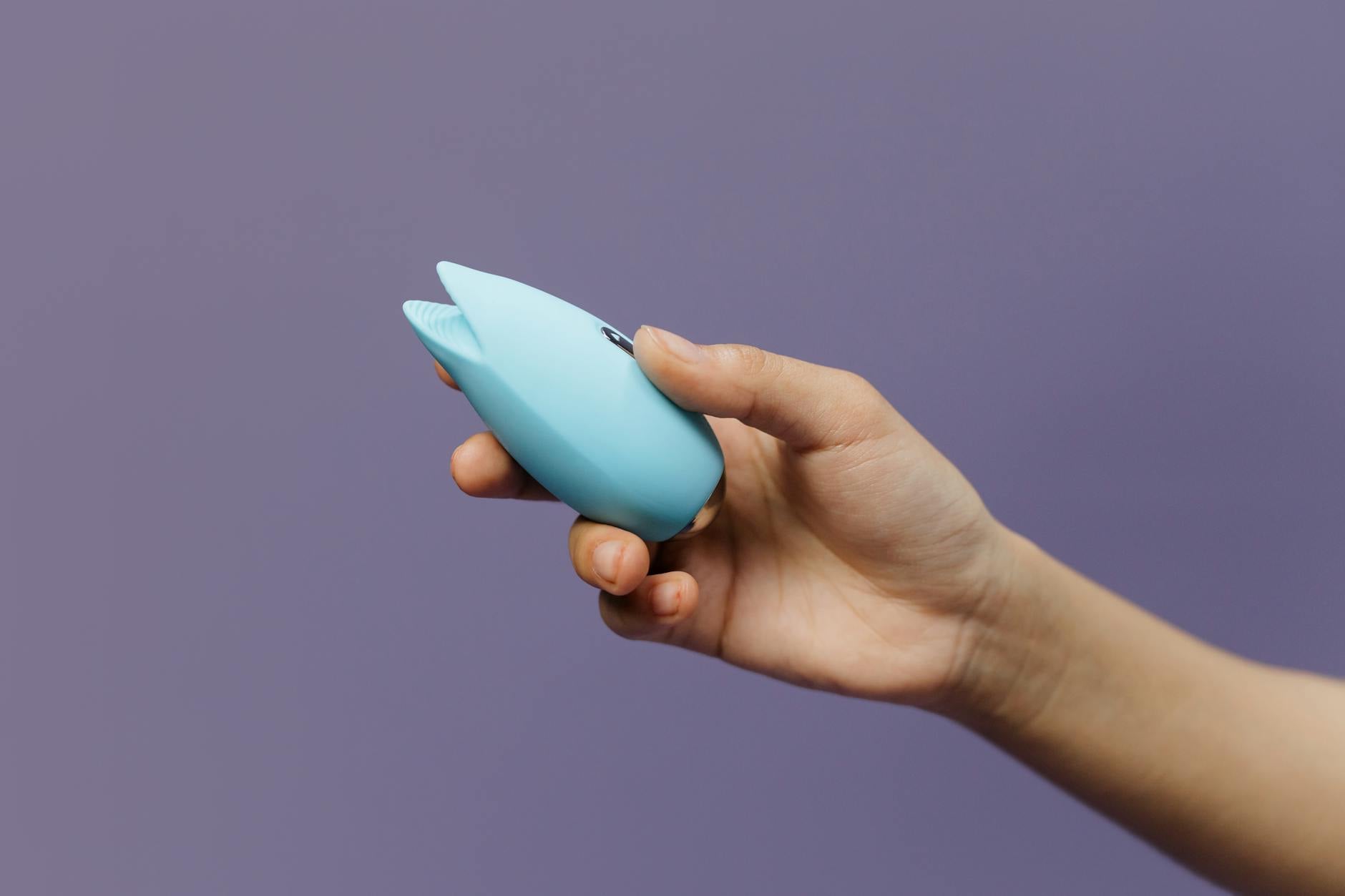
Photo by cottonbro studio on Pexels
When is it actually safe to use vibrators after surgery
First: check with your surgeon, not your assumptions. Different surgeries have different timelines. Abdominal surgery usually means waiting four to six weeks before internal stimulation. Gynecological procedures might need six to twelve weeks depending on what was done. Breast surgery? You can usually start with external stimulation sooner, though you'll want to avoid pressure on the surgical site.
The key signal isn't the calendar. It's pain. If you feel sharp pain, pressure that builds, or bleeding during or after, you're not ready. Pain isn't prudishness. It's your body saying the tissue isn't stable yet.
External stimulation like what lemon vibrators offer is almost always safe much earlier than penetration because there's no internal pressure or stretching. This is why so many people find that lemon clitoral vibrators become their entry point back into pleasure after surgery. The suction design creates stimulation without friction, which means less irritation if tissues are still tender.
How to approach it without rushing
Start with sessions that are purely exploratory. You're not chasing an orgasm. You're checking in with your body. This matters more than you think. Post-surgery, your nervous system has learned that sensation means pain. You need to teach it that gentle sensation can mean pleasure again.
Use a water-based lubricant even if you normally don't. Post-surgery tissue is often drier because your stress hormones are elevated and your circulation is still recovering. Lubrication reduces friction, which reduces irritation. This isn't weakness. It's practical care.
Start at the lowest setting. On lemon vibrators, that means pattern one or two. You're not testing your limits. You're reconnecting. Many people are shocked at how intense even gentle stimulation feels after surgery. Your body has been waiting for pleasure. The sensitivity will be rawer than before.
Keep sessions short. Fifteen minutes is plenty. You're not building toward anything. You're signaling safety to your nervous system. Consistency matters more than intensity here. Three fifteen-minute sessions across a week does more for your recovery than one desperate hour.
What changes about your body during healing
Sensation will feel unpredictable for a while. One day feels normal. The next day feels numb. This is your nervous system still recalibrating, not a sign you're doing it wrong. Your pelvic floor might feel tight or twitchy. This is normal post-surgery. If it becomes painful or persistent, mention it to your doctor.
Orgasms might feel different. They might be softer, more localized, or harder to reach. This is temporary. Your body will rebuild its full range of response as stress hormones drop and circulation improves. Give it time.
Fatigue will surprise you. An orgasm takes energy your body might be protecting for healing. If you feel wiped out after, that's your system telling you it needed rest. Respect that. Pleasure doesn't have to earn anything. You don't have to push through fatigue to prove you're ready.
If you have a partner during recovery
This is where most couples struggle. Your partner is often frightened about hurting you. They're managing their own fear about the surgery. They miss intimacy but they're scared to reach for it. Meanwhile, you're grieving the loss of your usual sexual dynamic.
Have an actual conversation about this, not in the bedroom. Say something like: "I want to reconnect physically, but my body needs this to be slow and gentle. I might not reach orgasm and that's okay. I'm trying to rebuild trust with my body." This is radically different from "I'm ready for sex." One invites partnership. The other invites pressure.
Show your partner how lemon vibrators work in your recovery. If they're involved, let them hold it. Let them see where you're at. This transforms toys from something scary or threatening into a practical tool you're both using to heal the relationship.
The mental piece that matters as much as the physical
Most people underestimate how much surgery messes with your sense of ownership over your body. You've been touched by strangers. You've been put under. Your body has done things without your consent. Reclaiming pleasure is partly physical, but it's equally about reclaiming agency.
Self-pleasure during recovery isn't just sex. It's a conversation with yourself: "This is still my body. It still belongs to me. And I get to decide what feels good." Lemon vibrators, especially their intuitive design, make this easier because there's nothing to figure out. You can focus on sensation and presence instead of logistics.
If you find yourself feeling nothing, that's not failure. Some people's brains shut down pleasure temporarily after trauma (which is what surgery is, even when it's medically necessary). That response usually passes as your nervous system realizes you're safe. If numbness persists beyond two months, talk to your doctor. Persistent pleasure loss after surgery is treatable and worth addressing.
Moving from recovery into rebuilding
By week eight or nine, most people start feeling a shift. Sessions that were exploratory become more intentional. Sensation that was unpredictable starts settling. Your partner, if you have one, stops moving around you like you're made of glass.
This is when you can start experimenting with longer sessions, higher settings, or partnered pleasure if you want it. But there's no rush. Some people stay in gentle, slow recovery mode for months, and that's completely fine. Your timeline is yours.
The goal isn't to get back to how it was before. It's to build something that works for who you are now. After surgery, your body has new knowledge about resilience. That changes pleasure too. Many people report that sex after surgery feels more present, more intentional, less automatic.
People also ask
Can I use a lemon vibrator internally after surgery?
Depends on your surgery. Most gynecological procedures require six to twelve weeks before internal penetration, even with toys. Abdominal surgery usually needs four to six weeks. Ask your surgeon specifically about vibrator use, not just "when can I have sex." They're different timelines. If your incision is internal or near your pelvic floor, your doctor might recommend longer.
Will lemon vibrators hurt my incision site?
No, because they're external clitoral vibrators. They don't go inside you or near surgical sites (unless your surgery was on the clitoris itself, which is rare). The suction design means gentler stimulation with less friction, which is actually ideal for post-surgery healing. Just avoid pressing directly on any external incision or bruising.
What if I feel numb and nothing works?
That's incredibly common in the first four to six weeks post-surgery. Anesthesia, pain medication, and nervous system shock all kill sensation. Give it time. If numbness persists beyond eight weeks, mention it to your doctor. Sometimes nerve irritation from surgery takes longer to resolve, and that's treatable.
Can I have an orgasm too soon after surgery?
If you can reach one without pain, yes. An orgasm itself won't damage your incision. What matters is: Does it hurt? Does it cause bleeding or discharge? Do you feel pressure or pulling? If the answer to any of those is yes, you're not ready. If it's no, you're fine. Your body's pain signals matter more than a calendar.
Should my partner help or should I do this alone?
That's your call. Solo exploration lets you set the pace without worrying about someone else's comfort or boundaries. Partnered exploration can rebuild intimacy and help your partner see that your body is still yours. Neither is better. Start however feels safest to you, then expand if you want to.
How long until pleasure feels normal again?
Three to six months for most people. Some feel like themselves in six weeks. Others take longer. Hormonal changes from anesthesia and surgery can linger. Anxiety about your body can slow things down. If pleasure feels truly off after six months, that's worth discussing with your doctor or a therapist. You don't have to white-knuckle your way back to normal.
The bottom line
Surgery interrupts pleasure, but it doesn't end it. Your body is healing, and your desire is part of that healing. Start small. Respect your timeline. Use tools like lemon vibrators that work with your recovery instead of against it. And remember: rebuilding pleasure after surgery isn't rushing recovery. It's claiming back a part of yourself that surgery temporarily borrowed.
If you want to talk through your specific situation or explore how to rebuild intimacy with a partner during recovery, reach out. That's exactly what I'm here for.