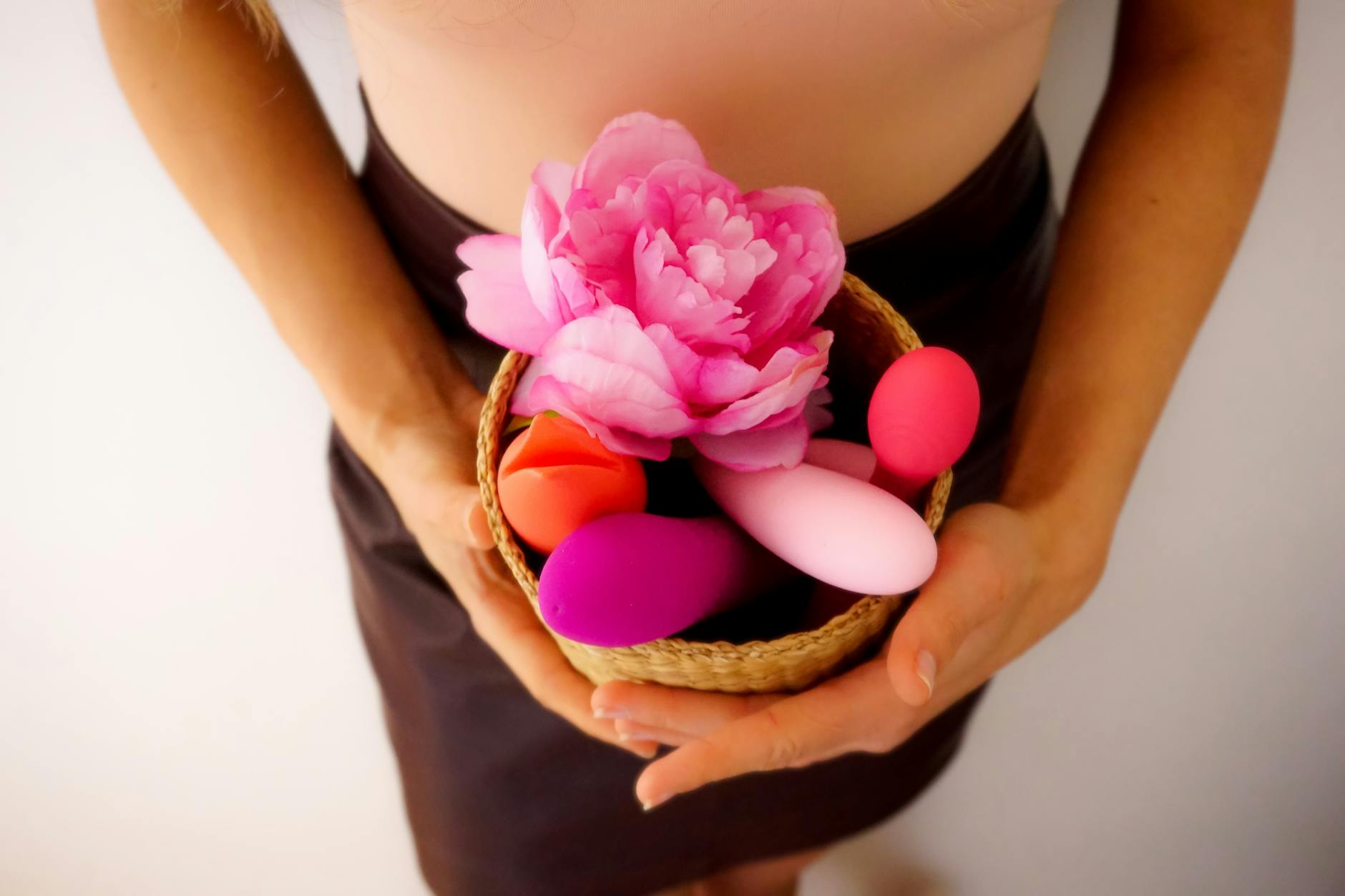
Let's talk about intensity
There's a difference between having an orgasm and having one that genuinely moves you. One is pleasant. The other rewires your nervous system for a few minutes. If you've been getting the first and want the second, the gap isn't about luck or your body type. It's about pressure, rhythm, and how you're thinking about the whole thing.
I've spent years helping couples and individuals figure out what actually creates that full-body, toe-curling release versus the kind that feels nice but forgettable. Spoiler: a lemon clitoral vibrator can get you there. But only if you know how to use it.
What makes an orgasm feel intense
Here's the science part, stripped down. Your clitoris has about 8,000 nerve endings packed into a space the size of a pea. But intensity doesn't come from hitting more of them. It comes from stimulating them in a way that builds pressure steadily and then releases it all at once.
That's why rhythm matters more than power. It's why buildup matters more than immediate intensity. And it's why a lemon vibrator's suction technology actually works better for intensity than a traditional vibrator.
Suction doesn't just vibrate. It creates sustained pressure that pulls at the tissue, which engages the entire clitoral structure, not just the surface. The sensation deepens as your arousal builds, which means your orgasm has somewhere to go.
Why pattern beats power
Most people think intense means strongest. Wrong. Intense means layered.
Start with a lower pattern on your Lemon vibrator (pattern 1 or 2). Let your body warm up to it for at least 5 minutes. Your clitoris becomes more sensitive as blood flow increases, not less. This is counterintuitive but crucial. The idea is to build arousal steadily so that when you finally move to a higher intensity, your body has a strong foundation to release from.
Once you're genuinely turned on (you'll know because the sensation shifts from "nice" to "now I want more"), then move up. But move up gradually. One pattern every 2-3 minutes. Don't jump straight to pattern 5.
Why? Because you're training your nervous system to ride an arc instead of spiking. Spikes feel good for a second. Arcs feel intense for 30 seconds or more.
The role of mental focus
Here's where I see people lose intensity: they're thinking about the next day's to-do list or wondering if they're taking too long.
Intense orgasms require mental presence. You don't have to be thinking about anything specific. You just have to not be thinking about anything else. The moment your brain splits attention, your nervous system does too, and intensity drops.
This is one reason taking time matters. If you carve out 20-30 minutes instead of 5, you're not wasting time. You're giving your brain permission to settle. Your nervous system follows.
If focus is hard for you, try this: sync your breathing to your Lemon vibrator's pattern. As the rhythm pulses, breathe in for 4 counts and out for 4. It sounds small, but breathing gives your brain something to do instead of generating anxiety about performance.
Positioning and angle make a real difference
Clitoral sensitivity isn't uniform. Most people have a preferred angle. Some people respond best to direct pressure on the glans (the visible part). Others respond better to stimulation slightly above it, on the hood. Some like side-to-side motion. Others like more vertical engagement.
With a lemon clitoral vibrator, you have flexibility. Try resting it flat against your body with different angles. Try rotating it slightly. Try pressing it more directly or holding it looser.
The goal isn't to find one "right" way. The goal is to find the angle that makes the sensation go deeper, not just stay on the surface. When you find it, your orgasm will shift from local to full-body. That's intensity.
Building arousal before you start
You can't fake foreplay and expect intense orgasms. Your body won't cooperate.
Take 10 minutes before using your Lemon vibrator to actually get aroused. This might mean reading something that turns you on, fantasizing, looking at partner photos, or just letting your mind wander somewhere pleasurable. The point is to get your blood moving and your nervous system engaged.
If you have a partner, this is an excellent time for kissing, touching, or them using their hands on you before the vibrator comes out. If you're solo, spend a few minutes on your own. This isn't a warm-up you can skip. Your clitoris responds differently when you're already aroused, and that difference is everything for intensity.
Using lubrication strategically
Lubricant changes the sensation profile completely. Water-based lube feels slicker and allows your Lemon vibrator to glide. Silicone lube (yes, with water-based vibrators, silicone lube works fine) feels denser and creates more drag.
For maximum intensity, experiment with both. Some people find that silicone lube creates more sustained pressure. Others find water-based lube lets the suction work more effectively.
The other thing lube does is extend your session. Dry stimulation can become uncomfortable after a while, which breaks focus and tanks intensity. With lube, you can go longer and build the kind of sustained pressure that creates full-body release.
What happens after you come
Here's something I tell people that changes their experience: don't stop immediately. Most people spike and then quit, which is fine. But if you want intensity to feel truly intense, keep the vibrator on you (at a lower pattern) for 10-20 seconds after you orgasm.
Your nervous system is still activated. Your clitoris is still engaged. Gently continuing at a lower intensity lets the release extend. You might experience multiple smaller waves instead of one big spike, which paradoxically feels more intense because it lasts longer.
Then back off gradually instead of turning it off entirely. Pattern 3, then 2, then off. This descent is part of the intensity experience. It's the exhale after the big breath.
Solo versus partnered intensity
If you're using your Lemon vibrator solo, you have complete control of rhythm, pressure, and pacing. That's the advantage. That's also why solo sessions often feel more intense than partnered ones. You're not coordinating with someone else's rhythm.
If you're using it with a partner, the dynamic changes. The intimacy itself can deepen intensity, but you lose the precision. Talking helps. Tell them what rhythm works, what speed, what angle. If they're not involved directly, they can focus on kissing you, touching you elsewhere, or just being present while you use your vibrator. That presence matters for intensity too.
Common mistakes that kill intensity
First: jumping straight to high intensity. Your clitoris isn't trained to handle it, so it numbs out instead of engaging.
Second: trying to come too fast. Urgency kills intensity. Intensity requires time and patience.
Third: using the same technique every time. Your body adapts. Variety keeps stimulation fresh and engagement high.
Fourth: ignoring pelvic floor tension. A tight pelvic floor can actually block sensation. Take 2-3 minutes before you start to consciously relax it. Slow breathing helps.
Fifth: not addressing arousal first. Jumping straight to the vibrator without foreplay. Your body can't build the kind of sustained arousal intense orgasms need.
When to seek other approaches
If you're doing all this and intensity still feels flat, something else might be at play. Hormone changes affect sensation. Certain medications kill arousal. Anxiety, stress, and relationship dynamics all tank intensity.
These aren't things your vibrator can fix. But they're worth addressing. If you're a partner, sometimes just talking about what intensity means to you opens doors. If you're solo and something shifted, a conversation with a therapist or gynecologist can help clarify what changed and why.
A good lemon clitoral vibrator is a tool. A really good tool. But it's not magic. The magic is you learning your own body.
FAQ: Your questions answered
How long should I use my Lemon vibrator before I expect more intense orgasms?
Most people notice a shift within 3-4 sessions if they're actually changing their technique. But intensity isn't about frequency. It's about intentionality. One focused 20-minute session beats five distracted 3-minute ones.
Can lemon vibrators actually create full-body orgasms?
Yes. Clitoral orgasms and full-body orgasms are the same event, just experienced differently. Intensity determines whether it stays local or radiates. Rhythm, arousal, and mental focus all contribute to that radiation.
What if I feel numb no matter what I do?
Numbness often means you need more foreplay, not a stronger vibrator. It can also mean your pelvic floor is too tight, stress is too high, or you're not fully present. Before changing tools, change the conditions.
Is it normal to want different intensities at different times?
Completely normal. Hormones shift your sensitivity throughout your cycle. Stress, sleep, and what you've been thinking about all day affect how your body responds. Honor that. Some days you want gentle. Some days you want fire. Both are valid.
Should I tell my partner about intensity techniques?
Yes. Especially if they're involved. Telling them what rhythm, angle, and pace work for you transforms partnered sex. It removes guessing and builds connection. This is one of the highest-ROI conversations couples can have.
Can I use lemon vibrators every day?
Yes, safely. Just give yourself variety in technique so your body doesn't adapt and plateau. Changing patterns, angles, and arousal approaches keeps stimulation fresh.