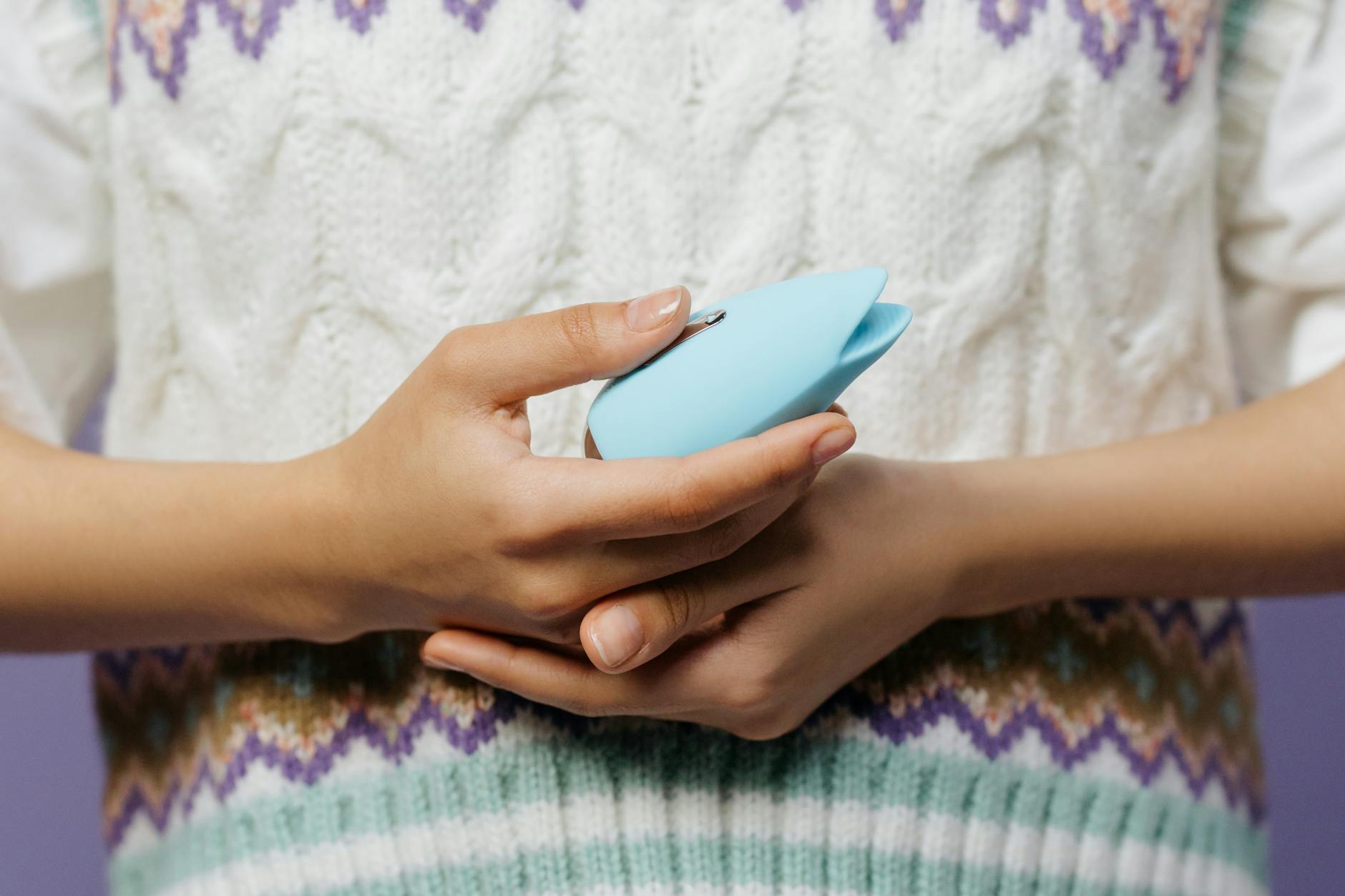
Let's start with the thing nobody says out loud
Most couples don't introduce a vibrator because they want to feel less connected. They introduce one because they're trying to find their way back to each other. The vibrator isn't the point. The conversation, the permission, the willingness to be curious together.that's the actual intimacy.
I work with a lot of couples in their 30s, 40s, 50s who've been together long enough that sex has become either a routine or something they've quietly stopped initiating. Lemon clitoral vibrators often show up in these conversations because they signal something important: both people are willing to try.
Why vibrators actually deepen connection
Here's the counterintuitive part. When a partner suggests using a lemon vibrator together, what they're really saying is "I want to know you better. I want to see what makes you feel good. I want this to be about us, not just efficiency."
That's vulnerable. And vulnerability is where intimacy lives.
Physiologically, this matters too. When you're watching your partner experience genuine pleasure, your brain releases oxytocin. It's the bonding hormone. You're literally getting closer at a neurological level. Over time, couples who explore pleasure together report feeling more secure in the relationship, more willing to be honest about other things, and more likely to initiate sex outside the bedroom context.
The lemon clitoral vibrator works here because it's not intimidating. It's discreet, intuitive, and because it uses suction rather than aggressive vibration, it doesn't feel like a replacement for your partner. It feels like an addition to what you already have.
The actual conversation to have first
Don't just hand someone a vibrator and hope for the best. The setup is where the real work happens.
Start outside the bedroom. Over coffee, on a walk, somewhere low-pressure. Try something like: "I've been thinking about us. About how we used to be more playful. I'm interested in exploring that again, and I found something I want to try together. Are you open to talking about it?"
That's honest. It's not accusatory. It doesn't assume they're the problem.
If they seem hesitant, don't push. Ask what feels scary. Is it the idea of a toy? The vulnerability of talking about pleasure? Feeling like their touch isn't enough? These are different conversations, and they matter.
Many partners who seem uninterested in toys are actually worried they're about to be replaced. Hearing "I want to try this WITH you, not instead of you" changes everything.
How to actually use a lemon vibrator together
Take time. Don't treat this like you're checking off a task.
Start by using it on yourself first, alone, so you know what patterns feel good and you're not learning in front of your partner. This takes the pressure off. You'll know what you want to ask for.
When you're together, here's a realistic timeline:
-
Foreplay as usual. Kissing, touching, whatever your normal rhythm is. Don't rush to the toy. Let arousal build naturally.
-
Your partner holds the lemon vibrator while you guide them. Show them which patterns you like, how much pressure. This is the opposite of passive. You're teaching them something new about your body.
-
Let them control it for a bit while you focus on what they're doing. This is often where couples report feeling most connected. The person holding the toy is completely focused on your response. The person receiving it gets to just feel and communicate.
-
Swap if you both have vulvas. Or keep going. There's no rulebook.
The whole thing should take 20 to 30 minutes. You're not racing to an orgasm. You're spending time together in a new way.
The things that actually go wrong (and how to avoid them)
I see a few patterns in couples who try this and it feels flat.
One: they're using it as a substitute for everything else. Toy goes on, then what? There's no touching, no talking, no presence. The vibrator becomes the whole experience and it feels isolating. Instead, use it as part of a larger conversation. Keep your hands on each other. Keep talking.
Two: one person is performing enthusiasm they don't feel. This usually happens when the other person suggested it and the hesitant partner is trying to be "cool about it." This never works. If you're faking, say so. "I'm nervous and I'm not sure about this yet" is infinitely better than silent resentment.
Three: they skip the lube. A lemon clitoral vibrator works better with a bit of water-based lubricant because it glides more smoothly and feels more comfortable. Plus, adding lube is a small gesture that says "I'm thinking about your comfort." That's intimate.
What changes after you start using lemon vibrators together
Most couples notice within a few weeks that something shifts. Not just during sex. Before and after too.
They're texting more during the day. Making jokes about trying things. Being more affectionate in regular life because the permission has changed. When you've acknowledged that you both care about pleasure and you're willing to be awkward together to find it, other kinds of vulnerability become easier.
Some couples find they want to explore more. Maybe a different toy. Maybe introducing the vibrator into partnered sex differently. The lemon sucker approach opens conversations that were previously off-limits.
Others find that even using the vibrator once or twice is enough to shift the dynamic. Now they know pleasure is something they can talk about. Now they know their partner is curious about them. That's foundational for long-term connection.
When to check in with your partner
After the first time, give it a few days. Then ask directly: "How did that feel for you? What was good? What wasn't?"
Not "Did you like it?" but "What worked and what didn't?" There's a big difference.
Listen without defending. If they say "I felt a little self-conscious," that's not criticism. That's information. You can help with that next time by dimming the lights, or going slower, or just saying "You're beautiful, I love seeing you like this."
If they didn't like it at all, that's also okay. You tried. You learned something. Sometimes it takes a few attempts. Sometimes it doesn't work. Both are valuable data.
The couples who get the most out of this are the ones who treat it like any other skill you're building together. You're learning what you both like. That takes time.
When vibrators help rebuild after distance
I see a lot of couples who've drifted. Kids. Work. Separate schedules. Sex has become rote or has stopped entirely. They want to reconnect but there's awkwardness now.
A lemon clitoral vibrator can be a really practical reset button because it gives you both permission to slow down. You're not defaulting to old patterns. You're intentionally choosing something new together. That choice, that novelty, that mutual curiosity.it rewires how you think about touching each other.
For partners who feel like they've lost touch, the vibrator isn't the goal. It's the excuse to be present again.
FAQ
Can using vibrators make your partner feel inadequate?
Only if you frame it that way. "You don't satisfy me, so here's this toy" is wounding. "I want to explore more kinds of pleasure together and I found something I'm curious about" is inviting. The difference is about whether it's about them not being enough or about both of you wanting more.
Is it weird to ask my partner to use a vibrator on me?
Not at all. In fact, many people find it's hotter than using it solo because they're not in their own head. Someone else is focused entirely on them. That's the opposite of weird. That's presence.
What if my partner says no?
Respect that. Ask why if you're curious. Sometimes it's not about the toy, it's about something else.insecurity, past experiences, just not their thing. You can explore other ways to deepen connection. The vibrator was an option, not the only option.
Does using a lemon vibrator together guarantee better sex?
Nothing guarantees anything. But couples who can talk about pleasure, who are curious about each other's bodies, who are willing to be awkward together.they consistently report higher satisfaction. The vibrator is just a tool that makes that conversation easier to start.
What if one of us wants to use it more than the other?
That's normal. One person might be more naturally curious. That's fine. The person who's less interested can enjoy the experience without needing to "perform" enthusiasm. And the person who's more interested can use it solo too. It doesn't have to be a perfectly matched interest.
How do I know if my partner is genuinely interested or just going along with it?
Watch their body. Are they asking questions? Are they laughing? Do they want to try again? Those are signs of genuine interest. If they're quiet, compliant, and don't bring it up again, check in. "That felt distant. What was that about?" Honest conversations are worth more than successful experiments.
The deeper thing that's actually happening
When couples use lemon vibrators together intentionally, what they're really rebuilding is a sense of being known. Your partner is paying attention to your body. You're telling them what feels good. You're both being honest about desire.
That's not about the toy. That's about choosing each other, repeatedly, in small vulnerable ways. The vibrator is just the vehicle.
If you're considering this with a partner and you're nervous, that's actually the sign you should do it. Nervousness means it matters. It means you care enough to be awkward. That's where real intimacy starts.
If you want to have a clearer conversation about incorporating toys into your relationship or you're feeling stuck in patterns, reach out.