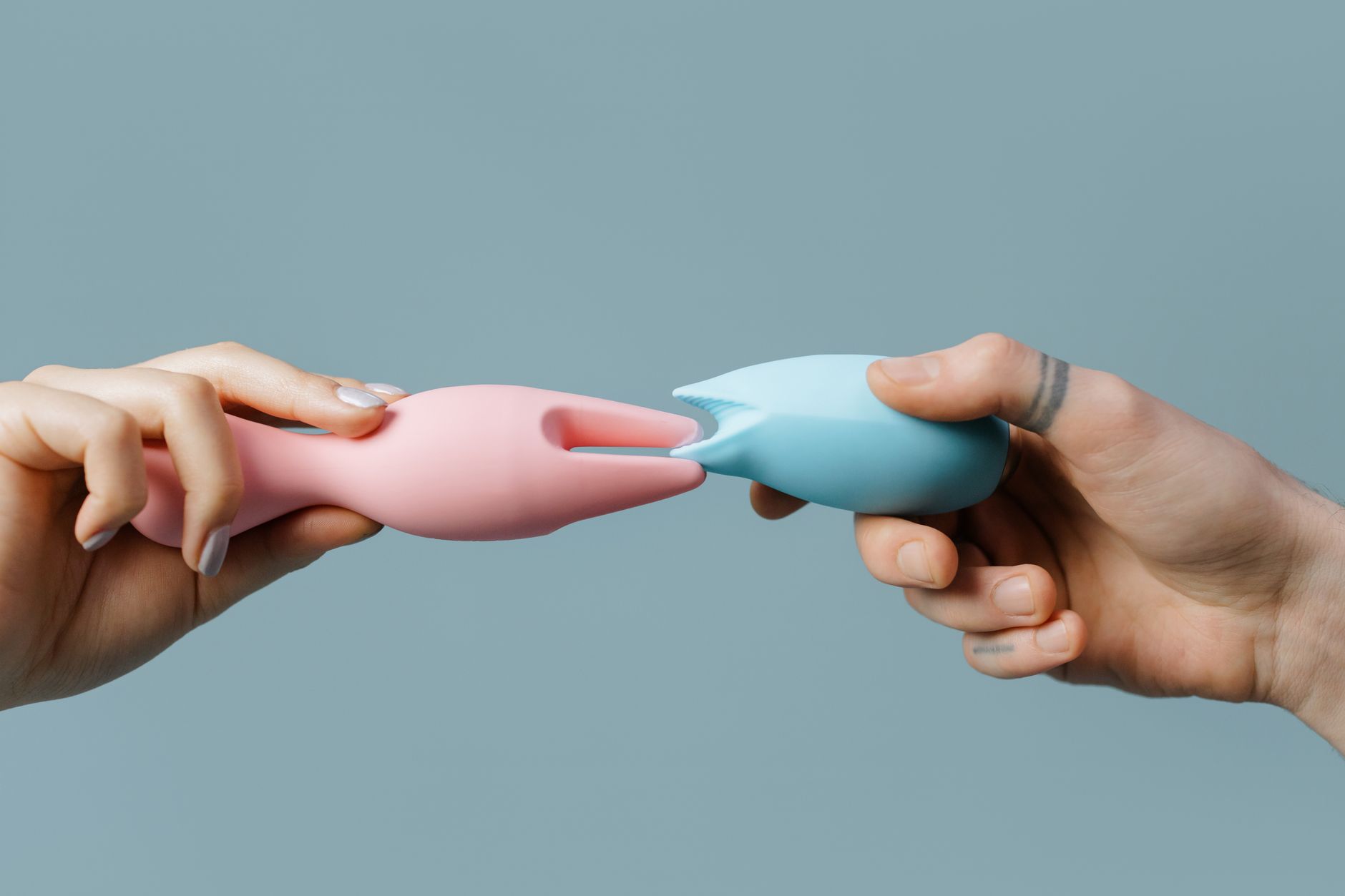
Let's start with the obvious thing nobody says
Louder, faster, stronger is not the same as better. Honestly, most conversations about vibrators get caught in this trap where intensity becomes the default metric for quality. It's not. Some of the most satisfying sessions happen when you dial intensity down and let sensation build slowly, deliberately, at a pace your body actually wants.
That's the shift we're talking about here. Not settling for less pleasure, but seeking a different kind of pleasure entirely.
Why comfort-first approach actually works better
Here's what happens when you reach for maximum intensity right away. Your nervous system spikes. Your body tenses, waiting for the next surge of stimulation. You're chasing sensation rather than savoring it. Over time, this can numb you to subtler layers of arousal that actually feel way more satisfying.
When you use lemon vibrators at lower settings or with a gentler approach, three things shift. First, your pelvic floor relaxes instead of bracing. Second, you're more aware of where you're being touched and how your body's responding. Third, you build arousal gradually, which means deeper, longer-lasting pleasure rather than a quick peak and quick decline.
Clinic research backs this up. People who prioritize comfort-based stimulation report more consistent orgasms, easier pleasure response, and better sexual satisfaction across their lifespan. The body isn't designed to sprint to climax. It's designed to recognize and track sensation over time.
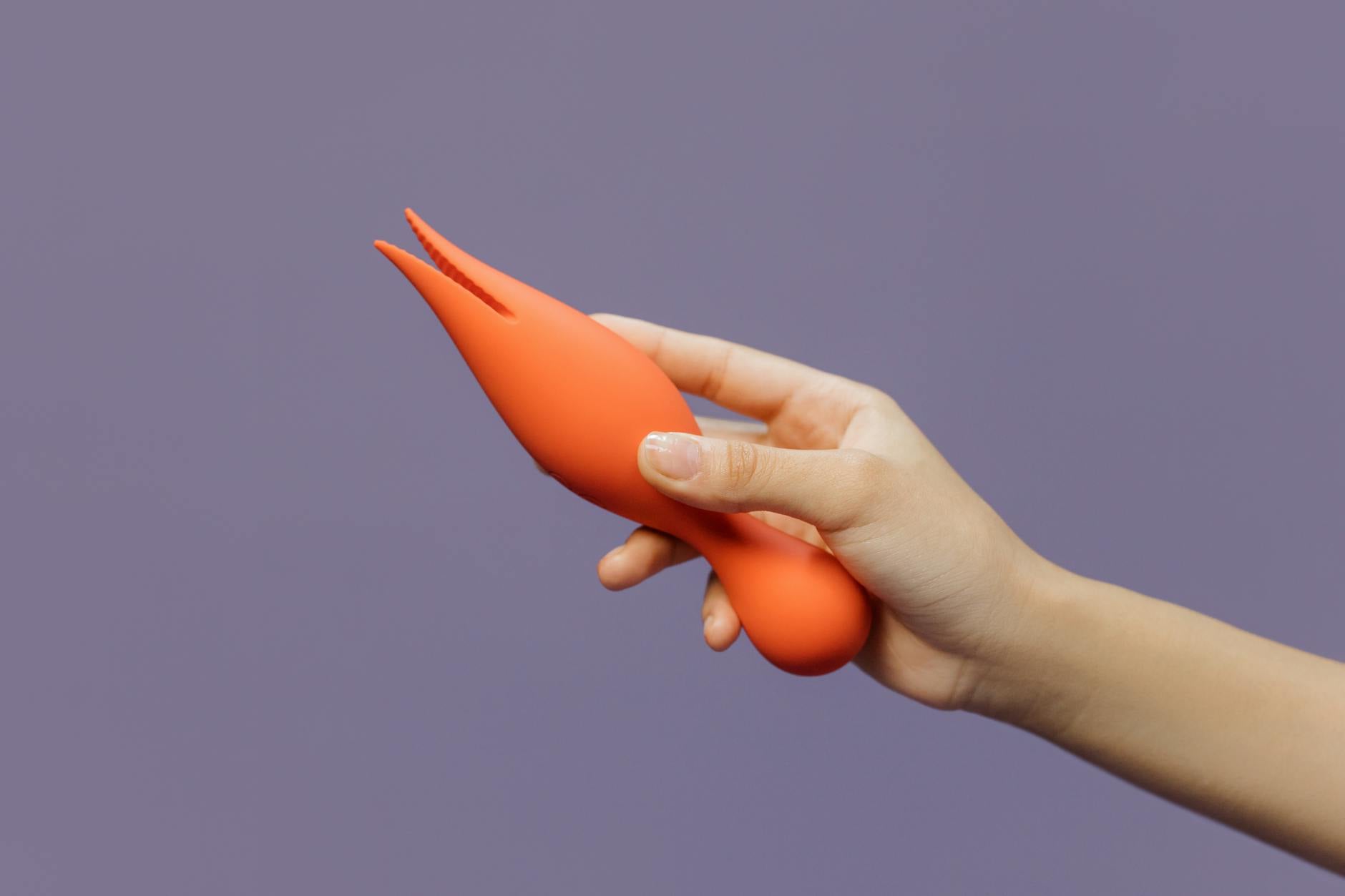
Photo by cottonbro studio on Pexels
The physical setup that matters
Comfort starts before you even turn anything on. Position matters way more than people think. If you're arching your back, tensing your legs, or propping yourself at an angle that strains your neck, you're fighting your own body. Instead, find a position where your whole body feels supported. This might be lying flat with a pillow under your lower back, or propped up at an angle with cushions behind you. Your shoulders should be relaxed. Your neck shouldn't be craned.
Lubrication is non-negotiable here, even if your body feels naturally lubricated. Adding external lubricant changes the entire sensation. It softens the friction, lets the vibrator glide instead of drag, and gives you room to explore without any sense of pressure or discomfort. Water-based lube is safest for silicone toys like lemon sexual toys. Use enough that you can feel the vibrator moving smoothly.
Timing matters too. You're not looking for arousal to be already sky-high before you start. You're actually aiming for a calm, neutral state where sensation can register properly. This means you've got time, no rush, and nobody's watching the clock.
How to work with the settings on lemon vibrators
Most clitoral vibrators have 3-6 intensity levels. If you're using lemon vibrators and prioritizing comfort, you're probably living in levels 1-3 for the majority of your session. This isn't a limitation. This is where the actual detail lives.
Start at level 1. Spend a few minutes just feeling the vibration. Notice where it's most intense, where it's softer, whether you prefer direct contact or stimulation through the clitoral hood. Move slowly. There's no deadline. Many people find that level 1 or 2 on a lem vibrator is more than enough to build arousal over 15-20 minutes. You're not chasing a big sensation. You're tracking small changes in your body's response.
If you want to add variation without ramping up intensity, try this. Stay at the same level but change your position or angle of contact. Move the vibrator slightly side to side instead of up and down. Press it against a different part of your vulva. These micro-adjustments give your nervous system something new to process without forcing your body into overstimulation.
If you do move up to a higher setting, do it gradually. Spend a few minutes at each level. Get familiar with it. Ask yourself if you actually want more intensity or if you're just following an old habit of always pushing harder.
For partnered play, comfort changes the conversation
When a partner's involved, gentler vibrators and lower settings actually create more intimacy, not less. You're not both staring at a countdown to orgasm. You're paying attention to each other. They can hold the vibrator and adjust based on your breathing or responses. You can give feedback without shouting over noise. Conversation flows differently when you're not both locked into high-intensity sensation.
This is where lemon clitoral vibrators shine for couples. The sound is manageable, so you can actually talk. The sensation is subtle enough that you can move around and shift positions without losing pleasure. You can use it for extended periods without fatigue setting in.
If your partner's new to using toys, gentler intensity makes the learning curve shorter. They can feel how your body responds without worrying they're pushing too hard.
Building a routine that actually sticks
Comfort-first pleasure isn't a one-off session. It's a practice. This means showing up regularly, the same way you'd exercise or meditate. Pick a time when you have privacy and aren't rushed. Even 15-20 minutes of consistent practice rewires your nervous system's relationship to pleasure. You become more responsive to subtle sensation. Orgasms become easier. The whole experience feels less transactional.
Many people find that a morning or early-evening session works better than right before sleep. Your energy's different. You're more present. You can focus without fighting fatigue.
If you've spent years in high-intensity, high-speed patterns, your body might need a few weeks to adjust to gentler rhythm. Stick with it. By week three or four, you'll notice that subtle sensation registers differently. Pleasure feels deeper.
When discomfort is a signal to pause
Comfort-first doesn't mean ignoring pain or numbness. If something pinches, burns, or just feels off, stop. Rest. Try again in a different position or with more lubricant. If discomfort persists, that's a body signal worth listening to. Lemon adult toys are designed for pleasure, not endurance. Your comfort is always the priority.
Numbing or difficulty feeling sensation is also worth paying attention to. If lower settings aren't registering, you might be holding tension without realizing it. Pause. Breathe. Relax your pelvic floor consciously. Sometimes just taking three deep breaths resets your nervous system enough that sensation comes back online.
People Also Ask
How long should a comfortable pleasure session last?
There's no standard. Some people get what they need in 10 minutes. Others prefer 30-45 minutes of gradual building. The point isn't duration. It's whether your body's satisfied. If you're checking the clock, you're probably not in the right mindset. Budget time and then let your body decide when it's done.
Can you use lemon vibrators every day if you're going slow?
Yes, though many people find they prefer 4-5 sessions a week to let their body have recovery days. Daily use isn't necessary for pleasure. What matters is consistency. Regular sessions actually teach your body to respond more easily than sporadic ones. If daily feels good, go for it. If you prefer a couple days between sessions, that works too.
Does lower intensity mean weaker orgasms?
Not at all. Orgasms built from gradual arousal often feel more intense and last longer than ones chased at high speed. Your whole body's involved when you take time. That registers as deeper, more satisfying climax, not a weaker one.
Why do some people prefer intense vibration?
Nervous systems are wired differently. Some people genuinely need stronger sensation to register pleasure. That's not wrong. It's just a different neural setup. The point of this guide is for people who actually prefer gentler sensation but felt like they should want more intensity. You don't. Comfort is a valid preference.
How do you know when you're ready to try higher settings?
Your body tells you. If you're consistently hitting the edge of arousal at lower settings and wanting more stimulus to cross over, then explore higher levels. But if lower levels are consistently satisfying, you've already found what works. More intensity isn't a goal. Pleasure is.
What if your partner prefers intense vibration but you don't?
This is worth a conversation outside the bedroom. You can take turns using toys at your own preferred settings, or you can use the same vibrator at different times at different intensities. You're not obligated to match each other's preferences. Comfort-first pleasure works better when you're honoring what actually feels good for your body, not performing what you think should feel good.
The shift happens slowly
Comfort-first approach to lemon vibrators and clitoral vibrators in general isn't about doing less. It's about redirecting attention toward what actually builds lasting pleasure. Your nervous system will adapt. Your body will become more responsive. Orgasms will feel different. Better. This takes a few weeks of consistent practice, but it sticks.
Your pleasure matters. Your comfort matters. That's not compromise. That's exactly how pleasure is designed to work.