Let's talk about what's actually changing
Your body feels different. Not broken, not wrong. Different. And there's a real physiological reason for it. Hormonal changes rewire how your nervous system responds to touch, how quickly sensation builds, and how intensely you feel stimulation. The good news? Understanding what's happening makes it fixable.
Why hormonal fluctuations change sensation
Estrogen does way more than regulate your cycle. It controls blood flow to your genital tissue, affects nerve sensitivity in your clitoris, and influences how quickly arousal kicks in. When estrogen levels shift, perceptibly or gradually, your tissue thins slightly, blood flow changes, and the nerves themselves become less responsive to standard vibration patterns.
This is why a vibrator that worked beautifully six months ago might feel underwhelming now. You're not losing capacity for pleasure. The signal is just getting a quieter reception.
Progesterone changes also matter. It affects your baseline arousal level across your cycle, mood, and how "ready" your body feels to respond. Many people notice that certain weeks feel responsive and electric, while others feel muted no matter what. That's not random. That's hormonal.
How lemon vibrators work differently with hormonal shifts
Traditional vibrators send vibration straight into tissue through friction and oscillation. That works brilliantly when tissues are plump with estrogen and blood flow. But when tissues are thinner or less engorged, the sensation can feel diffuse or get lost entirely.
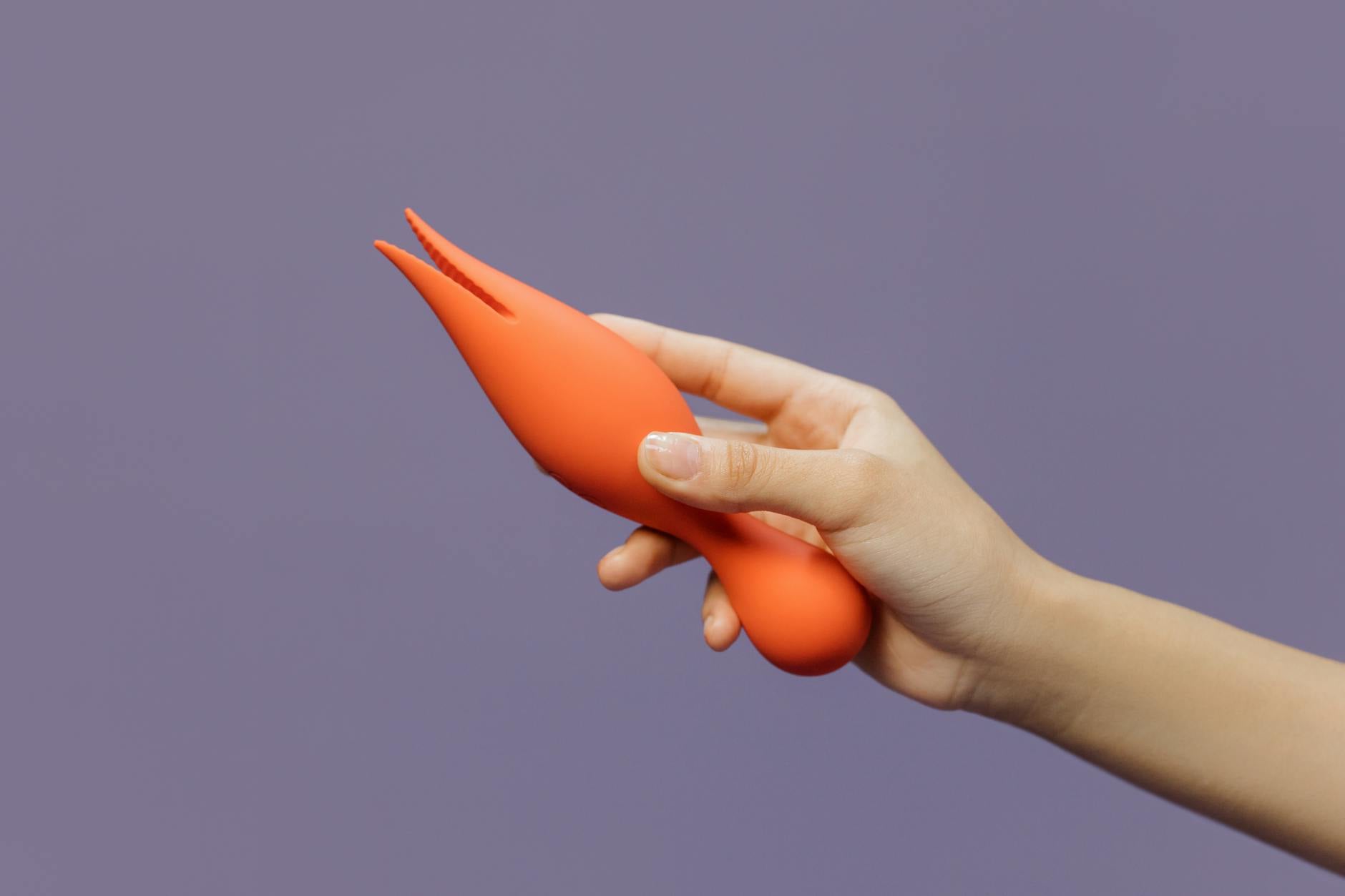
Lemon clitoral vibrators use suction and pulse patterns instead. Rather than relying on surface friction, suction draws blood into the clitoris and stimulates the nerve clusters around the clitoral body itself. This is a completely different pathway. For people experiencing hormonal-related changes in sensation, this difference is often transformative.
The suction mechanism also creates a gentler entry point. You're not blasting nerves with vibration. You're creating a seal and a rhythm that your tissue can feel clearly, even if sensitivity has shifted. Many people find that suction patterns feel more defined, more distinct, and easier to locate during arousal.
Timing matters more than you think
When your hormones are in flux, consistency in when you explore pleasure starts mattering way more. If you're cycling, pay attention to which days feel more responsive. Track it for two to three months. You'll likely notice a pattern. Some people find they have a four to five day window mid-cycle where sensation is noticeably sharper. Others feel most responsive in the luteal phase when progesterone rises. There's no universal answer. You have to map your own body.
If you're on hormonal contraceptives, in perimenopause, or post-menopausal, the variability is different but still real. Your baseline is more stable, which is useful. You're not chasing a moving target. But that means if sensation feels flat, it's your new normal, not a temporary dip. Which is actually better news. It means you can plan around it and make adjustments.
The setup that actually helps
Three shifts I recommend when sensation feels blunted:
First, extend your warm-up time. Your body needs longer to build arousal when hormones are pulling the other direction. Instead of five to ten minutes, budget twenty to thirty. This isn't lost time. This is when your nervous system recalibrates, blood flow increases, and tissue begins to respond. Your pleasure doesn't start when you turn on the lemon vibrator. It starts before that.
Second, use patterns, not power. Lemon clitoral vibrators come with multiple rhythm options. When you feel like sensation is delayed or muted, the first instinct is to crank the intensity. Wrong move. Instead, find a pattern that feels distinct. Maybe it's a pulsing rhythm instead of steady suction. Maybe it's a wave pattern. Different patterns activate different nerve pathways. Sometimes what feels numb to one rhythm lights up under another.
Third, add a water-based lubricant even if you don't think you need it. Thinner tissue doesn't glide as smoothly. A slick surface between the suction cup and your skin helps the seal form properly, which means the suction works more effectively. You're not compensating. You're optimizing.
What to do if sensation is still delayed
Sometimes you need more support. If you've given yourself a solid warm-up, experimented with patterns, and sensation still feels like you're trying to feel something underwater, talk to a doctor. Real conditions like genitourinary syndrome (if you're post-menopausal) or hormonal imbalance are treatable. A short course of topical estrogen can shift tissue response dramatically. Testosterone therapy is another option for some people.
I'm not saying jump straight to medical intervention. But if nothing is helping after three to four weeks of intentional play, don't just accept it. There are solutions. Most require a conversation with someone qualified to assess your actual hormone levels, not just guess based on age or life stage.
The mental piece that changes everything
Here's what nobody tells you: hormonal-related sensation changes can feel like a loss, and that story you tell yourself about that loss matters. If you frame it as "my body is broken," your nervous system believes you and tightens further. If you frame it as "my body is different now, and I get to figure out what works," your nervous system stays curious instead of defensive.
The difference isn't semantic. When your pelvic floor and nervous system are in a contraction response because you're grieving what used to be easy, sensation gets worse. When you're exploring what's actually happening, sensation improves. Not because the hormones changed again, but because you stopped fighting against the change.
If you have a partner, this is worth naming out loud. "My sensation feels different right now. I'm not less interested. I'm just working with different information." Most partners respond to clarity. They don't need you to still be the person you were two years ago. They need you to be present with who you are now.
The real timeline for adjustment
Sensation changes don't fix overnight. Your nervous system needs time to map a new normal. Most people notice meaningful shifts in response within three to four weeks of consistent, intentional play. Real integration takes two to three months. By six months, your body stops feeling "off" and starts feeling like the baseline again.
This is why consistency matters more than intensity. A fifteen minute solo session with a lemon clitoral vibrator twice a week does more for your long-term sensation response than a frantic weekend marathon. Your nervous system is learning, building new pathways, remembering how to feel. That takes repetition.
Which also means how you use lemon vibrators when you want to feel more confident during solo play becomes a tool for rebuilding. Solo exploration isn't settling. It's actually how you map your new body and become the expert on yourself again.
When sensation shifts toward the better
Here's what often surprises people. Once your nervous system accepts that sensation is different, it often gets better. Not the same, but legitimately better. Because you're paying attention. Because you know which patterns work. Because you're not fighting anymore.
Many people in perimenopause and post-menopause report that their most intense orgasms come after their sensation "bottomed out" and they learned to work with their body again. Same thing happens in people dealing with hormonal contraceptives. You don't lose capacity. You lose the easy version and gain access to the version you actually have to feel for. That's not a downgrade. That's different.
Frequently asked questions
How long does it take for sensation to return to normal after hormonal changes?
There's no true "normal" to return to. Your body is different now, and that's the baseline. Most people notice meaningful improvement in sensation within three to four weeks of consistent practice with suction toys, patterns, and extended warm-up. By three months, the new normal feels integrated. The adjustment isn't about getting back. It's about accepting forward.
Can lemon vibrators actually help if my sensation feels completely numb?
Suction vibrators work differently than traditional vibration, so they access nerve pathways that standard vibrators might miss. That said, if you're experiencing complete numbness, that's worth discussing with a healthcare provider. Hormonal changes don't usually cause total numbness. That might point to something else worth investigating medically while you're also experimenting with different stimulation types.
Does the time of month matter for using lemon clitoral vibrators when hormones are shifting?
Absolutely. If you're cycling, track which times of your cycle feel most responsive. You'll develop a sense of when your body can actually feel. Some people have a narrow responsive window. Others have longer stretches. Once you know your pattern, you can plan around it. This removes the pressure to feel something when your body isn't hormonally ready.
What if I'm on hormonal contraceptives and sensation feels flat all the time?
Hormonal contraceptives suppress your natural cycle, so you don't get those peaks and valleys. Your baseline is flattened. Some people feel more responsive on their placebo week when hormones drop briefly. If that's you, that's useful information. If you don't find any responsive window, that's actually worth discussing with your doctor. A different hormonal method might serve you better.
Should I use lemon vibrators more or less often if sensation is changing?
Consistency beats intensity. Two shorter sessions a week do more for your nervous system than one weekend marathon. Your body is learning a new pattern. That learning happens through repetition, not through force. Regular touch helps your nervous system remember what sensation feels like, even if that feeling is quieter right now.
Can hormonal changes make orgasms feel different even if they still happen?
Completely. Orgasms might feel less intense, more localized, or require different patterns to build to. They might last longer or feel shorter. They might not come with the full-body shaking response you used to have. That's all real and all normal. The capacity is still there. The flavor is just different. Many people, once they stop expecting the old orgasm and actually feel the new one, find it's equally satisfying in a different way.
The next step
Your sensation changing isn't failure. It's information. Your body is telling you something about what it needs right now. How you use lemon vibrators when you want to explore different sensations and patterns becomes the way you actually listen to that information instead of fighting it.
If you want to talk through what's actually happening with your specific body and cycle, that's what I'm here for. Reach out at /contact and let's figure out what your new normal actually feels like.