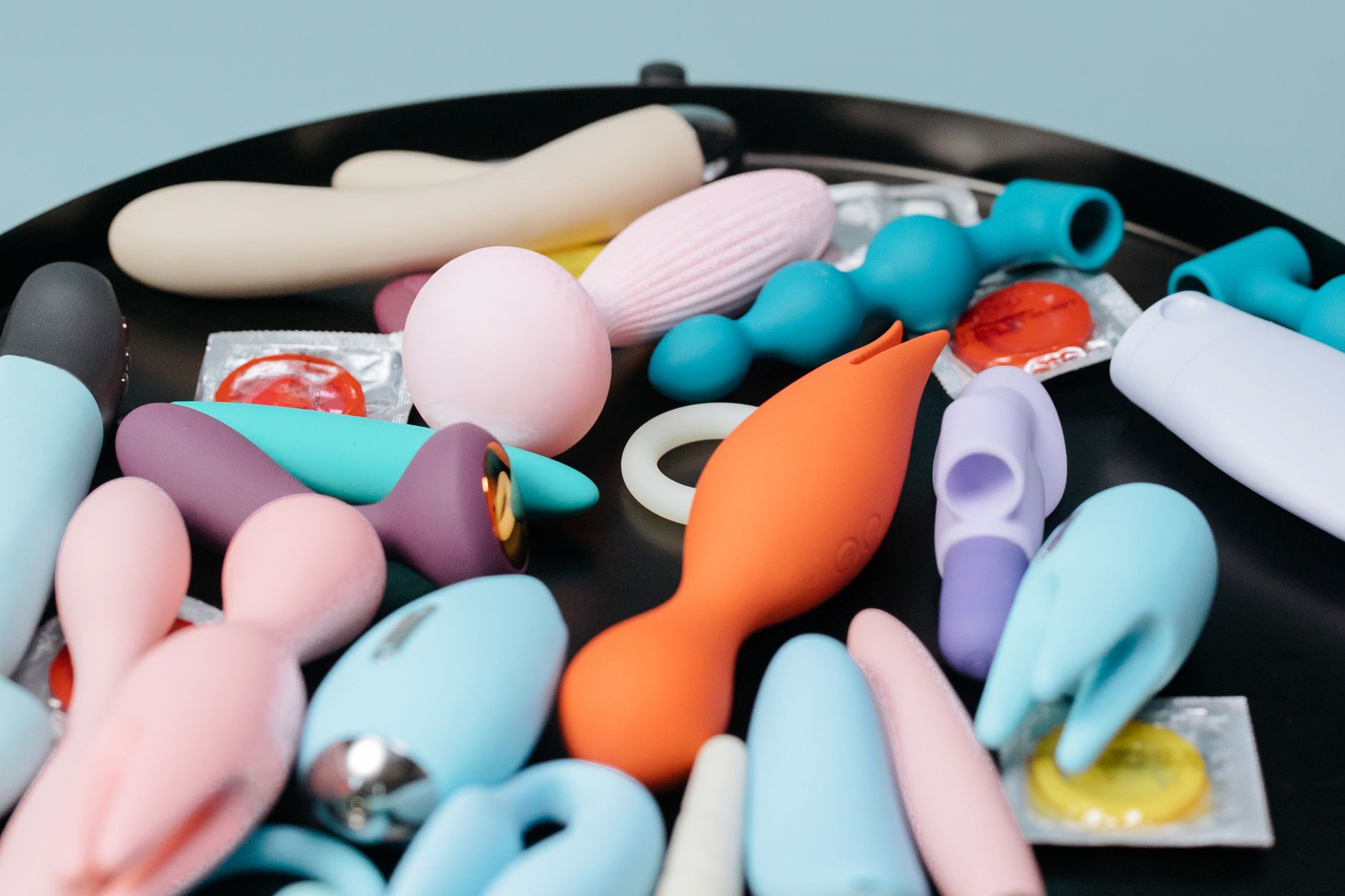
Let's talk about the thing nobody wants to admit
Your clitoris has gone quiet. Maybe it's been gradual, like turning down the volume over months. Maybe it happened fast. Either way, you're noticing that touch that used to light you up now feels like someone tapping your shoulder through a winter coat. Muted. Distant. Confusing.
Here's what I need you to know first: reduced clitoral sensitivity is not rare, not permanent, and not a sign you're broken. It's a message your nervous system is sending, and the fix is usually simpler than you think.
Why clitoral sensitivity actually fades
Three main culprits show up in my practice again and again.
Hormonal shifts are the biggest one. Estrogen directly affects clitoral tissue thickness, nerve density, and how quickly blood flows there. When estrogen dips (perimenopause, postpartum, certain birth controls, even prolonged stress), your clitoris literally has less support. The nerves are still there. The capacity for pleasure hasn't changed. The signal just got quieter.
Medication side effects rank high too. Antidepressants, blood pressure drugs, antihistamines, even some birth controls can muffle sexual response. It's not because the medication is fighting your pleasure on purpose. It's just how your nervous system reorganizes around the chemical change. Many people don't connect the timing, so they blame themselves instead of the pill bottle.
Repetitive stimulation is the third one, and this one people do talk about, but usually with shame. If you've been using the same pattern, same pressure, same toy for years, your nerve endings adapt. They're bored. They've learned that input and stopped responding as dramatically. This isn't weakness. This is your neurology being efficient. You need novelty or intensity to wake it back up.
Why lemon vibrators work differently than regular toys
Most vibrators move back and forth. The Lem and other air-suction style clitoral vibrators do something else. They create waves of suction and release.
This matters for sensitivity because suction stimulates a different nerve pathway than direct vibration. If your clitoris has gone numb to one kind of touch, suction often feels completely new. You're not fighting through the existing numbness. You're sidestepping it entirely and activating sensation through a completely fresh channel.
There's also the pressure difference. A vibrator that presses directly requires a certain level of initial sensation to feel good. Suction doesn't. It builds sensation through the action itself, which means it can work even when direct touch feels frustratingly flat.
How to actually restart sensitivity
I use the word "restart" deliberately. You're not building something from nothing. You're reminding your clitoris what it knows how to do.
Start with the lowest settings. Patterns 1 through 3 on most suction vibrators. Your instinct might be to jump to high intensity to try to "feel something." Don't. That's like trying to wake someone by screaming. Start gentle and let your body respond gradually. This takes patience, and patience sucks, but it works.
Give it time and consistency. Use the toy the same way, same time of day, for at least two weeks before you judge whether it's working. Sensitivity doesn't return on a switch. Your nervous system needs repetition to learn the new signal.
Warm up first. Increased blood flow to the area literally makes tissue more responsive. Spend 15 to 20 minutes on other kinds of touch before you introduce the toy. Hands, partner touch, whatever feels good. Let arousal build. Then bring in the suction.
Add lubricant. Water-based lube isn't just for comfort. It changes how the suction works, creating a better seal and smoother sensation. It also signals to your body that something good is about to happen, which primes your nervous system.
The partner conversation that matters
If you're partnered, your person needs to understand that reduced sensitivity is not a reflection of how attracted you are to them. It's not about them. It's about your body's response system recalibrating.
That said, they can help. A lot.
The best version of this conversation is collaborative. "I'm noticing my body isn't responding the way it used to. I want to explore what helps. Would you be willing to try something new together?" That turns it into a shared experiment instead of a problem you have to fix alone.
Many partners actually find this a relief. They were probably wondering too, maybe feeling rejected without understanding why. Suddenly you have a project together, and most people like having a project with their partner.
When numbness is about more than physiology
Here's the part that matters just as much as the vibrator itself: sometimes reduced sensitivity is partly in your head, and that's not an insult. That's just neurology.
If you're carrying stress, trauma, anxiety, or disconnection, your body protects itself by dampening sensation. This is a feature, not a bug. Your nervous system is being smart. But it means a vibrator alone won't fix it.
Talk to a therapist who specializes in sexual health or somatic work. Reduced sensation often improves faster when you're addressing both the physical and the emotional at the same time. I've seen people's sensitivity transform once they stopped carrying the weight of shame or fear their body was protecting them from.
This isn't weakness or failure. It's just how humans work.
The reset that actually sticks
Once sensation starts coming back, the goal isn't to go back to whatever pattern numbed you in the first place. Variety is the actual antidote to habituation.
Rotate between suction and other stimulation. Alternate between toys. Try different patterns, different pressures, different times of day. Your clitoris likes novelty. It responds to novelty. That's not a flaw in how you're wired. That's a feature.
Some people notice their sensitivity bounces back in weeks. Some take a couple of months. Most land somewhere in between. What matters is that the numbness you're feeling right now is not forever. Your body remembers how to feel. You're just reminding it.
People also ask
Can reduced clitoral sensitivity come back on its own?
Sometimes, yes. If the cause was temporary (medication, acute stress, hormonal dip that resolves), sensation often returns without intervention. But waiting is passive, and most people would rather actively engage with the solution. A tool like a lemon clitoral vibrator or other air-suction toy speeds up the process and helps you feel more in control of your own pleasure.
How long does it take to feel sensation again after numbness?
This varies wildly depending on the cause. If it's medication-related, stopping or switching the medication can shift things in weeks. If it's hormonal, you might see movement in 4 to 8 weeks once you're using the right stimulation consistently. Trauma or psychological factors might take longer and benefit from concurrent therapy. The pattern matters more than the timeline. Consistent use beats occasional experimentation.
Is reduced clitoral sensitivity a sign of a serious medical condition?
Not automatically, but it's worth checking in with your doctor if it's new or sudden. Diabetes, peripheral neuropathy, and certain neurological conditions can affect sensation. Most of the time it's hormonal, medication-related, or psychological. Getting a basic screening just rules out the less common stuff so you can focus on what you can actually control.
Can I use lemon vibrators if I have numbness from nerve damage?
Often, yes. Suction works differently than direct vibration, which means it can bypass some kinds of nerve insensitivity. Start very gently and see how your body responds. Some people with reduced sensation from various causes report that suction toys give them access to sensation that other toys don't. That said, always check with your doctor about your specific situation.
Should I see a sex therapist about reduced sensitivity?
If it's accompanied by emotional disconnection, shame, or stress, absolutely. Even if it's purely physical in origin, sometimes the psychological layer builds on top and gets stuck there. A sex therapist can help you work through both the mechanics and the feelings. When you address both, healing usually happens faster.
How do I know if my reduced sensitivity is temporary or permanent?
Most reduced sensitivity is temporary or highly manageable. Permanent loss of clitoral sensation is rare and usually tied to specific nerve damage. What you're probably experiencing is reversible. Give yourself permission to experiment with tools like lemon vibrators, shift your environment and stimulation patterns, and check in with a practitioner if it's been months with no shift. Your body is responding to something. Finding out what usually leads to finding the solution.