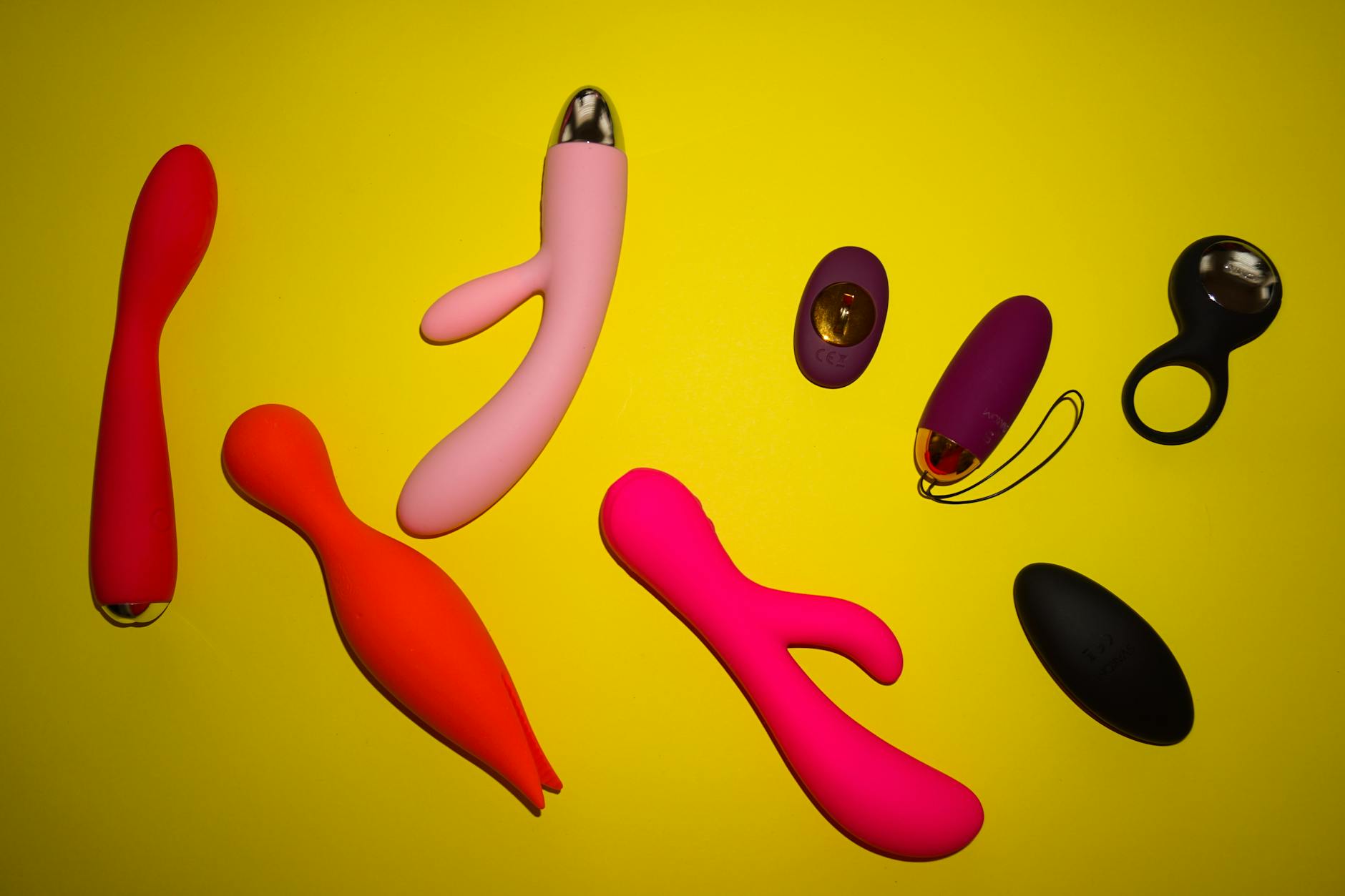
Let's start with what nobody tells you about polyamory and pleasure
Ethical non-monogamy changes the conversation around sex toys. It's not that lemon vibrators become less important—it's that they become differently important. When you have multiple partners, your pleasure stops being something you negotiate with one person and becomes something you own for yourself.
That shift is huge. And it's usually awkward at first.
Why lemon vibrators matter more in polyamorous relationships
Here's the thing about ethical non-monogamy: nobody gets to own your orgasm. Not your primary partner, not a casual partner, not anyone. That autonomy is kind of the whole point. A lemon clitoral vibrator becomes less of a "supplement" to partnered sex and more of a non-negotiable part of your pleasure infrastructure.
Why? Because lemon vibrators (and air-suction devices specifically) work fast and reliably. When you're managing pleasure across multiple relationships, consistency matters. You might have limited time with each partner. You might have different rhythms, different bodies, different communication styles. A lemon vibrator eliminates the variable of "will this person be able to bring me to orgasm tonight." The answer is yes. Every time.
That's not a rejection of your partners. It's honest. It's sustainable. It's actually the healthiest foundation for ethical non-monogamy.
Solo pleasure as an act of integrity
In monogamous relationships, solo vibrator use can sometimes feel like it needs justification. "My partner satisfies me, so why do I need this?" The logic is understandable but backwards. In polyamorous structures, solo pleasure becomes almost ritualistic—a daily or weekly practice that belongs entirely to you.
This matters for three reasons. First, it keeps you connected to your own body outside of partner dynamics. When you're navigating multiple relationships, your sense of self can blur. Solo time with a lemon vibrator grounds you. Second, it keeps you sexually satisfied in a way that doesn't depend on availability or partner mood or communication friction. You're not waiting. You're not negotiating. You're taking what's yours. Third, it actually strengthens your partnerships because you show up less needy, less resentful, more genuinely present.
When you've had an orgasm that morning with your lemon vibrator, the afternoon date with Partner A becomes about connection, not desperation. That's a completely different energy.
The communication conversation around toys and multiple partners
Here's where it gets real: you don't have to tell every partner you own a lemon vibrator. You do have to be honest if they ask. And yes, you absolutely should use it solo without guilt.
But there's a secondary conversation that's worth having, especially if you're in a polycule where partners know each other. Some people get weird about toys. Some worry it means they're not enough. Some have their own hang-ups about pleasure devices. In ethical non-monogamy, those conversations happen before they become problems.
I'd approach it like this: "I have solo practices that help me feel grounded and satisfied. One of them is using a vibrator. This isn't about any of you—it's about me tending to my own pleasure." Full stop. If someone can't handle that, that's information about their emotional development, not information about whether your practice is valid.
Now, if a partner wants to use the vibrator with you? Totally different conversation. And totally possible. A lemon vibrator works beautifully during partnered sex—you can use it while they're inside you, you can hand it over and guide them, you can take turns. The versatility is part of what makes these tools so valuable in non-monogamous spaces.
Managing time, energy, and pleasure across multiple relationships
One thing I see in polyamorous clients is burnout around sex specifically. Multiple partners means multiple different bodies, multiple different arousal patterns, multiple different preferences. If you're trying to custom-tailor your pleasure to each person every single time, you'll crash.
This is where a reliable lemon clitoral vibrator actually protects your relationships. Here's why. Let's say you have Partner A on Tuesday and Partner B on Saturday and you practice solo pleasure on Wednesday and Sunday. With the Wednesday solo session, you reset your nervous system. You're not bringing Thursday-frustration into Tuesday. You're not showing up to Saturday depleted. You're rotating pleasure—you're attending to it deliberately instead of leaving it to chance.
Also, practical note: carry a lemon vibrator or keep one in multiple spaces if you're maintaining separate residences. You might have one at home, one at a partner's place. This isn't cheating—it's logistics. It's saying, "My pleasure matters enough that I'm going to make it accessible." And honestly? Most ethical non-monogamous folks I work with appreciate that kind of intentionality.
When toy preferences differ across partners
Here's a question that comes up more than you'd expect: what if one partner loves that you use a vibrator and another is neutral or uncomfortable? How do you navigate that?
First answer: your solo practice belongs to you alone. Full stop. Do not negotiate that away.
Second answer: in partnered scenarios, you get to choose what works. Some couples enjoy having a lemon vibrator as part of shared pleasure. Some don't. Neither is wrong. The boundary is that you decide—not collectively, not through exhausting discussion. You're an adult. You get to say, "During sex with you, I'm using my vibrator," or "I'm not using it tonight," or "I'd like you to hold it for me."
Don't apologize. Don't over-explain. You're not asking permission. You're informing.
The real skill in polyamory isn't managing everyone's feelings about your pleasure. It's being clear about your own needs and letting people choose whether they can honor them. Some will. Some won't. That's information.
Logistics: storage, battery management, and discretion
When you're juggling multiple partners and solo practice, you need systems. Here's what I recommend:
Battery management. Charge your lemon vibrator regularly—weekly, ideally. If you're traveling between partners' homes or have limited access to outlets, keep it charged before you leave. Nothing kills the mood like a dead device. Storage. A small nightstand drawer works. A small pouch in your bag works. You don't need to hide it, but you do need to know where it is. Discretion. If you're living part-time at multiple partners' places, it's okay to have this be private. That doesn't mean hiding—it means your vibrator is in your personal space, not the shared bathroom.
Cleaning. This matters more with multiple partners. If you're sharing toys across partners, clean thoroughly between. Water and mild soap, or toy cleaner. If it's solo-only, standard hygiene applies. If you're using it with multiple partners, the "solo only" boundary is probably healthier anyway.
The pleasure-guilt trap and why polyamory actually dissolves it
Here's something beautiful about ethical non-monogamy that I don't see talked about enough: it removes a lot of the shame around pleasure. You're not supposed to be getting all your pleasure from one person. You're explicitly not doing that. So why would self-pleasure be a betrayal? It wouldn't. It can't be.
Some folks come into polyamory from monogamous relationships where solo vibrator use felt like a secret or a failure. In polyamorous structures, it becomes what it actually is: a normal, healthy practice. You're taking care of yourself. You're honoring your own capacity and your own body.
A lemon vibrator in an ethical non-monogamous relationship is almost a symbol of that integrity. It says: "I'm taking responsibility for my pleasure. I'm not waiting for it. I'm not hoping someone else will get it right. I'm meeting my own needs."
That's actually the most partnered thing you can do.
FAQ
Is it disrespectful to use a lemon vibrator if I have a partner?
No. Your pleasure is yours. Using a vibrator is self-care, not infidelity. In fact, staying connected to your own pleasure makes you a better partner because you're not carrying resentment or frustration into the relationship.
Should I tell my partners I use a lemon vibrator?
If they ask directly, be honest. If it comes up naturally, be honest. You don't owe unsolicited disclosure about your solo practice, but you also shouldn't lie. For ethical non-monogamy specifically, honesty is the foundation—so yes, eventually this conversation should happen. Frame it as, "I have a vibrator I use solo," not "I use this instead of you." These are different things.
Can multiple partners share one lemon vibrator?
Technically yes, but I don't recommend it unless there's serious trust and hygiene protocols. If you want to use the same toy with different partners, one vibrator per partner is cleaner and simpler. If it's solo-only, it stays solo-only. Boundaries around toys can actually be quite clear and simple.
What if a partner doesn't want me using a vibrator during sex?
That's their boundary to hold, and you get to decide if it's a dealbreaker. In healthy polyamory, you don't sacrifice your pleasure infrastructure for comfort. You find people whose comfort aligns with your needs. If someone cannot handle you using a lemon vibrator during sex, that's information about compatibility.
How do I bring up using a lemon vibrator with a partner who's never seen me use one?
Simple opener: "I'd like to use my vibrator during sex next time." If they have questions, answer them. If they're resistant, you're not asking permission—you're informing. You can say, "This is important to my pleasure. I'm open to questions, but this is happening." You don't need extensive justification for your own pleasure.
Does using a lemon vibrator mean I'm less attracted to my partners?
No. Using a vibrator means you're using a tool that helps you access pleasure efficiently. It says nothing about attraction. You can be wildly attracted to someone and still prefer the consistency and speed of a lemon clitoral vibrator. These aren't mutually exclusive. Most people who use vibrators report more satisfaction in partnered sex, not less.