
Here's what nobody tells you about low libido
Loss of desire doesn't mean you're broken. It means something has shifted. Maybe it's stress, maybe it's your relationship, maybe it's hormones, maybe it's all three tangled together. But the biggest trap people fall into is thinking low libido and low capacity are the same thing. They're not.
Your body can still feel pleasure. Your nervous system can still respond. Your brain can still light up. What's offline is often just the initial spark that used to ignite automatically. And that's exactly where lemon vibrators, especially the focused stimulation of a lemon clitoral vibrator, come in.
Why standard vibrators often fail when desire is low
Most traditional vibrators demand something from you that low libido people don't have right now: sustained mental engagement. They vibrate at a steady pace, which means you have to actively be present, have to actively will yourself into arousal. That works fine when you're already halfway there. When you're flatlined, it's friction without payoff.
Lemon sexual toys work differently. Specifically, the lemon sucker technology uses rhythmic suction and release rather than constant buzzing. That pattern mirrors what actually happens during natural arousal. Your body recognizes it. Your nervous system doesn't have to work as hard to interpret the sensation, which means you can be partially checked out mentally and still feel something building.
This matters because low libido is often wrapped up in exhaustion, overthinking, or resentment. You're not going to think your way into desire. But your body might surprise you if you give it the right stimulus.
Starting with zero pressure exploration
The first rule: don't use a lemon vibrator to try to have an orgasm. Use it to see what your body remembers about pleasure.
Set aside maybe 15 minutes. Not because pleasure is supposed to take exactly 15 minutes, but because a specific timeframe removes the open-ended pressure of "until something happens." Lie down alone. No partner watching, no performance expectation. Just you and your own curiosity.
Start the Lem vibrator on its lowest setting. Let it sit near your clitoris without the explicit goal of getting aroused. This sounds ridiculous, but most people with low libido have been pushing for arousal for so long that their body has learned to resist. Removing the goal is how you remove the resistance.
Notice what you notice. Temperature. Rhythm. Whether your mind wanders. Whether there's any sensation at all. If there's nothing, that's data, not failure. You're mapping your own body, not trying to pass a test.
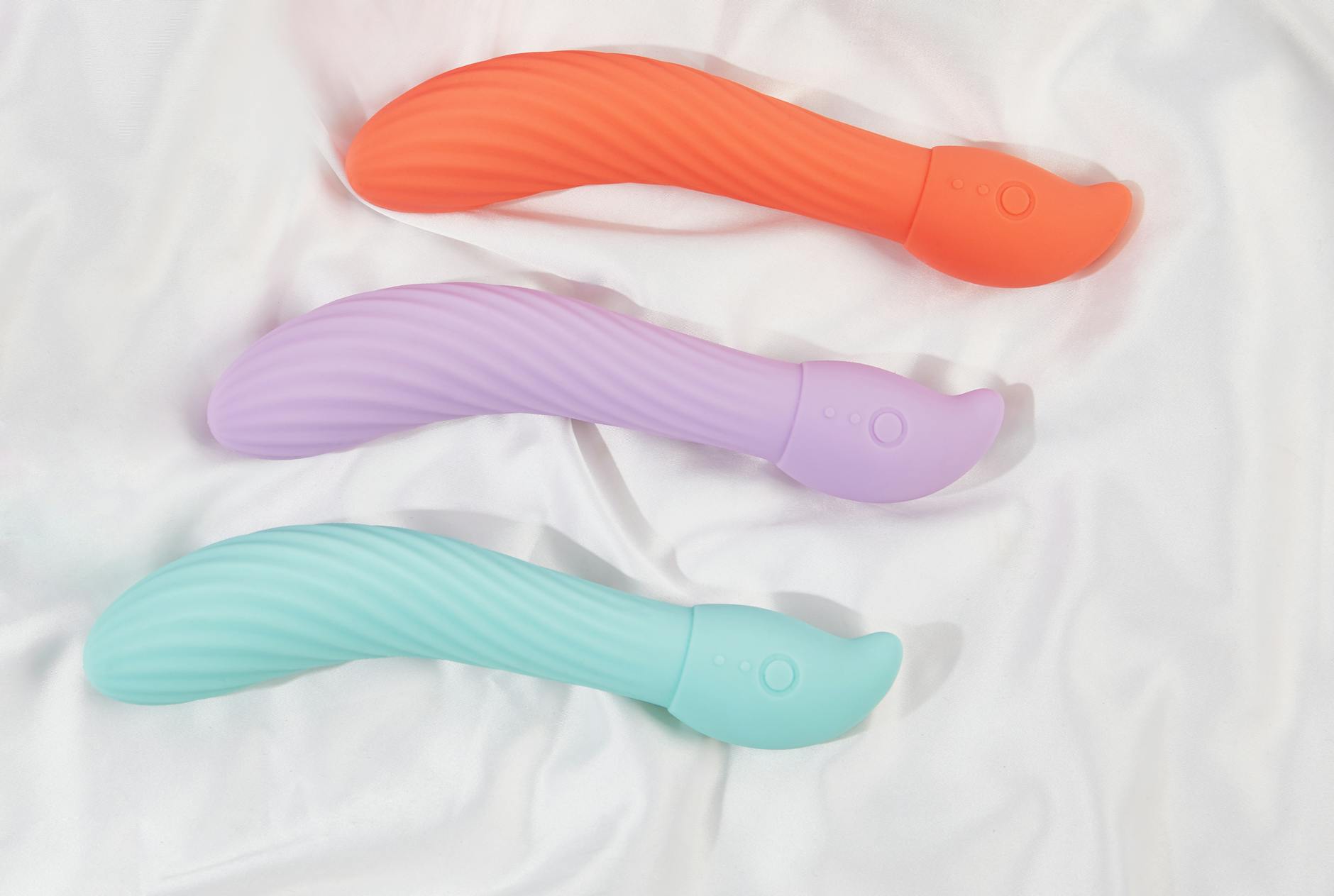
Photo by IFONNX Toys on Pexels
Building sensation gradually
If the lowest setting feels like nothing, move up incrementally. Don't jump to maximum intensity. The goal right now isn't intensity, it's consistency. Lemon clitoral vibrators are excellent at this because they layer stimulation. The suction component adds dimension that traditional vibration alone doesn't have, so you're getting multiple types of input even at low power.
Many people report that after three or four low-pressure sessions with a lem vibrator, something shifts. Not a sudden flood of desire. More like a dimmer switch moving from zero to maybe 15 percent. That 15 percent is enough to work with.
Once you're feeling even a little something, you can adjust. Maybe move the pattern up one level. Maybe explore how different areas around the clitoris feel different. The Lem vibrator's suction cup design is forgiving of exploration because it's not a rigid point of pressure like many clitoral vibrators are. That flexibility matters when your body is hesitant.
Addressing the mental blocks
Low libido always has a thought component. Sometimes it's guilt. Sometimes it's "I should want this more." Sometimes it's resentment toward a partner. Sometimes it's grief about who you used to be.
A lemon vibrator can't fix those. But it can create small pockets of time where your nervous system isn't in fight-or-flight. Where your body gets to feel something good without judgment attached to it. Those pockets matter more than they seem to.
If you have a partner, do not invite them into this phase yet. This is your solo archaeology. You're finding out what your body still knows. Once you have some data, once you've proven to yourself that your capacity is still there even if your desire isn't, then you can involve them. That conversation is different. How to use lemon vibrators with a partner without awkwardness covers that transition in detail.
Why consistency beats intensity
One session with a lemon vibrator means almost nothing. Three sessions a week for two weeks means something. Your nervous system needs repetition to learn that it's safe to respond again.
I often recommend people treat it like a practice. Not a chore, not something you're doing to fix yourself, but something you're doing to listen. Same time of day if possible, same quiet space. Your body will start to anticipate it.
Using lemon sexual toys this way isn't about chasing an orgasm. Many people with low libido find that taking the orgasm off the table entirely is the first thing that lets anything happen. An orgasm might come. It might not. Either way, you're getting data about what your body needs to feel alive again.
When low libido is a relationship signal
Here's the part that gets complicated. Sometimes low libido isn't a body problem. It's a relationship problem wearing a body disguise. You can't feel desire because some part of you is protecting you from connection that doesn't feel safe.
A lemon clitoral vibrator can absolutely help you rebuild trust in your own pleasure. But if the issue is actually that you don't feel seen or safe with your partner, no vibrator fixes that. That's therapy work, not toy work.
If you're in a partnership where you feel unsupported, unheard, or pressured, the most important thing you can do is stop trying to solve your libido and start talking about the actual problem. How lemon vibrators work with birth control hormones addresses biological factors, but relationship factors matter just as much.
What success actually looks like
You don't need to go from zero libido to nympho. That's not the goal and it's not realistic. Success is noticing that something shifted. Maybe it's that you've used your lem vibrator five times without it feeling like a chore. Maybe it's that one time, the sensation actually surprised you. Maybe it's that you felt something that resembled pleasure, however small.
Those small shifts tell your brain that desire might come back. They prove that your body didn't actually leave. It just got very quiet.
When to get professional support
If you've been using lemon vibrators consistently for four weeks and feel absolutely nothing, or if low libido arrived suddenly alongside other symptoms (fatigue, mood changes, pain), get a checkup. Low desire can be hormonal, thyroid-related, medication-related, or purely psychological. A good doctor can rule out the medical stuff.
If the emotional component is heavy (depression, trauma, grief), therapy is worth it. Your body isn't separate from your mind. They work together. Lemon adult toys help the body side of the equation. A therapist helps the mind side.
The bigger picture
Low libido is more common than most people talk about. If you're experiencing it, you're not alone and you're not broken. Your body is trying to tell you something. Maybe it needs rest. Maybe it needs safety. Maybe it needs novelty. A lemon vibrator is one tool for listening to what your body is actually asking for. Use it with patience, without judgment, and without the pressure to be someone you're not right now.
People also ask
Can low libido come back on its own without using vibrators?
Yes, sometimes. If the cause is temporary stress or life transition, desire often returns naturally once conditions shift. But waiting passively often extends the timeline. Engaging with your body through exploration, even with tools like lemon clitoral vibrators, tends to accelerate the return of sensation and interest. It's the difference between hoping something fixes itself versus actively creating conditions for healing.
Is it normal to feel nothing the first time using a lemon vibrator?
Completely normal. Your body might be in shutdown mode. That's not failure, it's protection. Numbness is sometimes how nervous systems cope with stress or disconnection. Keep going. Sensation often returns after the body learns it's safe to feel again. If you feel nothing after four consistent sessions, try adjusting intensity or exploring different patterns.
Will using lemon sexual toys make my low libido worse?
No. The opposite fear people have is that toys will desensitize them or create dependence. Research doesn't support that. If anything, rediscovering pleasure capacity often jumpstarts natural desire. The only way a vibrator makes things worse is if you use it as punishment or pressure, treating it like homework instead of exploration. Keep it gentle and self-directed.
How long does it take to rebuild desire after low libido?
There's no fixed timeline. Some people notice shifts within two weeks. Others take two months. It depends on what caused the low libido in the first place. If it's stress, it might be faster. If it's relationship-related or hormonal, it might take longer. Consistency matters more than speed. Three sessions a week for eight weeks often works better than daily sessions for two weeks that burn you out.
Can I use a lemon vibrator if I'm on antidepressants that lower libido?
Yes. Some medications suppress natural desire and arousal, which is a real side effect worth discussing with your prescriber. Using a lemon clitoral vibrator won't override medication, but it can help maintain physical responsiveness while you and your doctor figure out whether adjusting medication makes sense. Many people find that combining tool use with medical conversation gets the best results.
What if my partner thinks I should just "snap out of" low libido?
That's a relationship conversation, not a vibrator conversation. Low libido isn't a choice or a personal failing. It's a symptom. A good partner understands that. If yours doesn't, the vibrator won't fix that dynamic. You might benefit from couples counseling or a direct conversation about what you actually need from them during this phase. Your pleasure and your safety matter.
What's next
Low libido isn't permanent, even when it feels that way. Your body hasn't forgotten how to feel. It's just waiting for the right conditions to remember. Whether those conditions include a lemon vibrator is up to you. But you deserve to explore what works for your body, without shame and without pressure. If you want to talk through what might be happening or need guidance tailored to your specific situation, reach out. We're here to help.