Divorce changes how you relate to pleasure
Let's be real. After divorce, your body feels like it belongs to someone else's story for a while. Not in a present way. In a ghost way. The routines you built, the rhythms, the touch patterns—they're all tangled up in a relationship that ended. Returning to pleasure doesn't mean jumping back into the same habits. It means learning to touch yourself like you're meeting yourself for the first time.
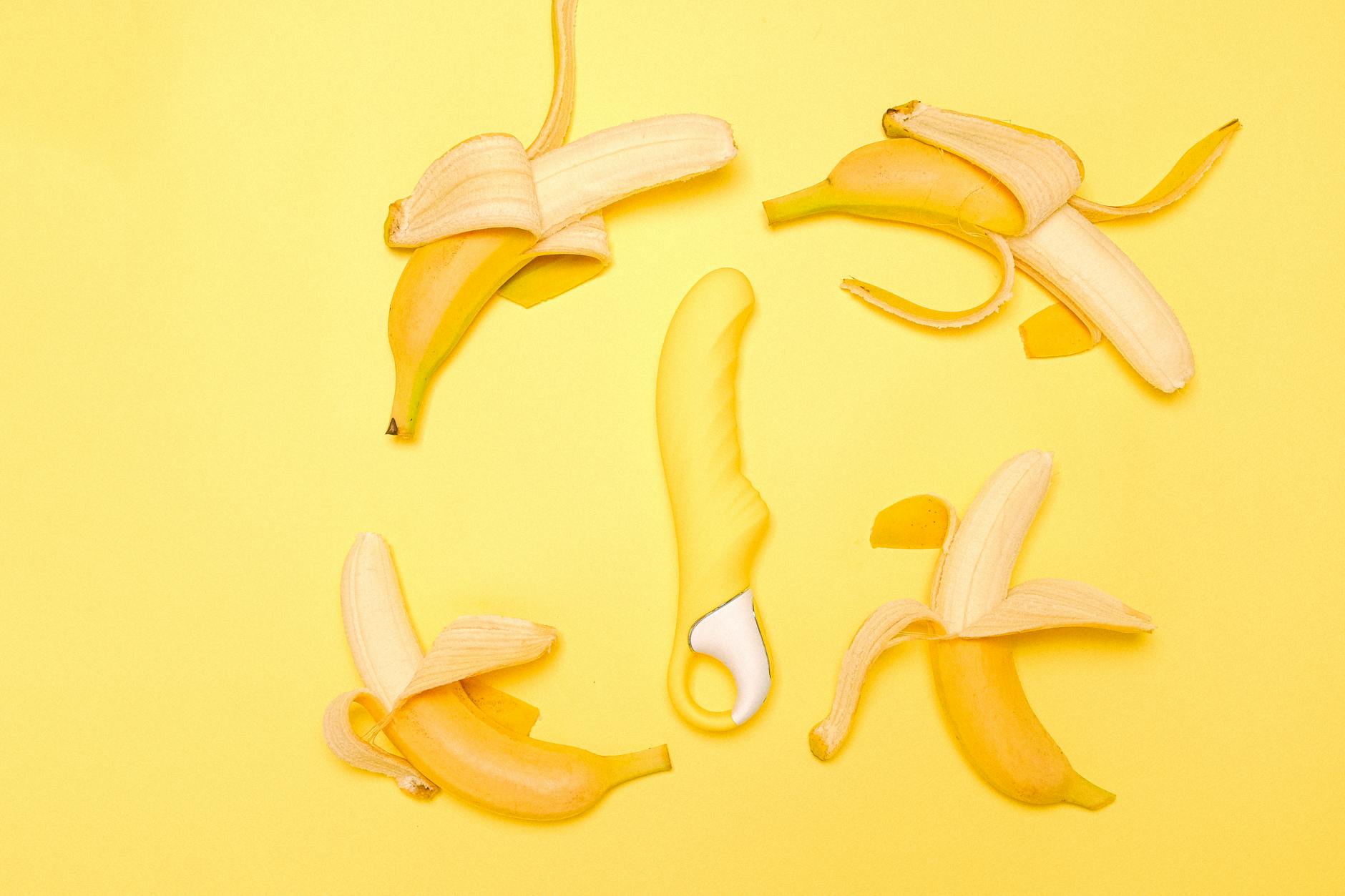
This is where lemon vibrators come in. They're not about fixing anything broken. They're about reclaiming your body as yours.
Why solo pleasure matters after divorce
Most people think of solo exploration as a consolation prize. It's not. It's foundational work. When you've spent years syncing your arousal with someone else's timeline, rebuilding your own is not selfish. It's essential.
Here's what happens physiologically. Your nervous system learned to anticipate another person's rhythm. After divorce, that anticipation stays lodged in your body. The only way to reset it is to spend time alone with sensation, without the pressure of performing or responding to someone else. This is called somatic reconditioning, and it works.
When you use a lemon vibrator solo, you're not just chasing orgasms. You're remapping your own arousal. You're learning what speed, pressure, and rhythm your body actually wants, separate from what you thought a partner wanted. Most of my clients tell me they discover things about their pleasure they never knew during their marriage.
The emotional permission piece
Here's the part nobody talks about. After divorce, many people carry shame about their body. Not always consciously. It lives in the shoulders, the breath, the way you touch yourself. You might feel like you're supposed to be grieving instead of pleasure-seeking. Or like wanting pleasure means you're not taking the breakup seriously.
That's backwards. Pleasure is part of healing. It signals to your nervous system that your body is safe again. That you get to have good feelings. Solo exploration with a lemon clitoral vibrator is an act of self-advocacy.
Start by giving yourself explicit permission. Not in a whisper. Out loud. "This is for me. My body deserves this." The nervous system listens to words.
How to start without pressure
If you haven't masturbated in a while, the first session matters less than you think. You don't need an orgasm. You need a feeling.
Set a boundary first. Tell yourself you have 15 minutes. Set a timer if that helps. This removes the pressure to perform or achieve. You're just exploring.
Start with the lemon vibrator on the lowest setting. The Lem, for example, has five patterns. Begin at pattern one. Let the sensation settle into your clitoris for a minute without moving the toy. Notice what you feel. Numbness? Tingling? Pressure? Pleasure? All of those are fine. There's no wrong answer.
Many people expect immediate pleasure. What actually happens is you spend two minutes wondering if you're doing it right, then something shifts. The sensation goes from abstract to real. That moment is the win, not the orgasm that may or may not follow.
Building a solo practice over time
Solo exploration after divorce isn't a one-off event. It's a practice. The more you do it, the faster your body remembers what pleasure feels like on your own terms.
I recommend starting twice a week. Not because of some magic number, but because consistency tells your nervous system this is safe and intentional, not desperate. You're building a ritual, not chasing a fix.
After two weeks, you might start noticing preferences. Maybe pattern three on the Lem feels better than pattern one. Maybe you want more time warming up. Maybe you discover that you like a specific rhythm during a particular part of your cycle. Write these down. You're building a map of your own pleasure.
When to explore versus when to rest
Post-divorce bodies need both. Pleasure and rest aren't opposites. They're partners.
There will be days when touching yourself brings up grief or anger. That's normal. Your body is processing. On those days, lemon vibrators stay in the drawer. You take a bath instead. You cry if you need to. You don't force sensation on a nervous system that's already overwhelmed.
The invitation to explore returns when you're ready. Usually that's 24 hours later. Sometimes it's a week. Trust the timing.
Using lemon vibrators when reconnecting with a new partner
Here's something that surprises people. The solo work you do with a clitoral vibrator doesn't disappear when you're ready to partner again. It compounds.
When you know your own arousal patterns, you can teach a new partner. Instead of falling into old communication patterns, you can say exactly what you need. "I like starting at pattern two for about three minutes, then switching to pattern four." This removes ambiguity and pressure.
Many of my clients bring their lemon vibrators into partnered sex. Some partners use it on them. Some couples use it as part of foreplay. The key is that you've already established it as yours. You're not introducing it as a Band-Aid on low desire. You're bringing in something you love.
Addressing the shame that lingers
Divorce is public in ways nobody warns you about. People have opinions. Some of that judgment sticks to your body. Especially around pleasure.
Let me be direct. Using a lemon vibrator after divorce is not a sign of desperation. It's not a replacement for a relationship. It's not confirmation that something went wrong with you. It's exactly what it looks like: a person reconnecting with their own body.
If shame comes up during solo exploration, pause the vibrator. Notice where you feel it. Your chest? Your belly? Your throat? Shame usually lives somewhere physical. Breathe into that space for 30 seconds. Then decide if you want to continue. Sometimes you will. Sometimes you won't. Both are okay.
The difference between avoidance and healing
One question I get asked a lot. How do you know if you're using lemon vibrators to heal versus to avoid?
Healing feels purposeful. You show up, you explore, you notice what happens. Then you step away. There's a clear beginning and end.
Avoidance feels frantic. You're trying to escape a feeling. The exploration doesn't actually feel good. It's just distraction. If that's happening, take a break. Call a friend. Write in a journal. Let your body rest.
Honestly though, most people aren't using clitoral vibrators to avoid after divorce. They're using them to remember that their body is theirs again. That's healing.
The research on solo pleasure and recovery
There's not a ton of clinical literature on masturbation specifically post-divorce. But there is solid research on how solo sexual expression supports nervous system recovery after trauma or stress.
One study in the Journal of Sex and Marital Therapy found that people who engaged in regular solo sexual activity reported higher relationship satisfaction and lower anxiety when they eventually partnered again. Another found that people who knew their own arousal patterns before entering a new relationship had better communication and sexual satisfaction overall.
The mechanism isn't mysterious. When you know yourself, you make better choices. You're less likely to fall into old patterns. You communicate more clearly. Your nervous system stays regulated instead of going into hypervigilance waiting for the other person to move.
FAQ
How long after divorce should I wait before using a lemon vibrator?
There's no magic timeline. Some people feel ready a month after separation. Some take a year. The question isn't how long it's been. It's whether your body feels safe. If you're not sure, start with five minutes of solo touching without any toy. If that feels gentle and curious instead of urgent or numb, you're probably ready.
Will using a clitoral vibrator make it harder to have pleasure with a partner?
No. The opposite usually happens. When you know what your body wants, partnered sex becomes clearer and more satisfying. You're not relying on a partner to figure out your pleasure. You're collaborating.
Should I tell a new partner that I use a lemon vibrator?
Eventually, yes. Not on a first date. But before any sexual intimacy, absolutely. You can keep it simple: "I have a vibrator I like to use. I'd like to incorporate it if you're comfortable." Most partners appreciate the honesty. It removes the surprise and the shame.
What if I don't orgasm during solo exploration with a lemon clitoral vibrator?
You don't need to orgasm for the practice to work. The point is sensation, not achievement. Some sessions will end in orgasm. Some will just feel good. Some will feel neutral. All of those are fine. Your body is just relearning what it likes.
Can I use lemon vibrators while I'm processing grief about the divorce?
Yes, but gently. Grief and pleasure can coexist. Your body needs both rest and rekindling. If you notice that solo exploration is making the grief worse instead of better, pause. Give yourself permission to just feel sad for a while. The lemon vibrator will be there when you're ready.
How do I know if I'm ready to move toward partnered sex again?
When you can touch yourself and feel pleasure without guilt. When you can orgasm solo without it triggering panic or regret. When you can imagine another person's touch without automatically bracing. None of those have to be perfect. They just have to be present.
Rebuilding takes time and presence
Divorce rewires your nervous system. Rebuilding pleasure isn't about rushing back to where you were. It's about discovering where you want to go next.
Using a lemon vibrator solo is one part of that journey. It's permission. It's practice. It's your body learning that it belongs to you again.
If you're navigating this transition and want more structured support around rebuilding intimacy after major life changes, reach out to us. We have resources and community for exactly this kind of work.
Your pleasure matters. Your body matters. And you're not alone in this.