Let's start where you actually are
After a breakup, desire doesn't just vanish. It gets tangled up with grief, loss of routine, identity confusion, and the simple fact that your body has been conditioned for years to respond to one specific person. The first time you think about pleasure solo, or with someone new, your nervous system often goes quiet. That's not broken. That's a totally normal recalibration.
Here's what I tell clients: the goal isn't to get back to where you were. It's to rebuild pleasure with clearer boundaries and more intention than before.
What actually happens to desire after a breakup
Your brain and body are deeply bonded systems. In a long relationship, your nervous system learns to recognize your partner's voice, touch, and presence as safety signals. Arousal becomes tied to familiarity and habit. Then suddenly, that person is gone. Your body hasn't updated its expectations.
Arousal requires two simultaneous states: activation (heart rate up, blood flow increasing) and safety (no perceived threat). After a breakup, even if you intellectually want pleasure, your nervous system is stuck in a lower gear. You might notice flattened sensation, difficulty building arousal, or zero interest in anything sexual. All of that is neurological, not moral failure.
The good news is that your nervous system is plastic. It rewires. But that rewriting doesn't happen by forcing yourself back into the saddle. It happens through gentle, solo practice that trains your body to recognize safety and pleasure as coming from you.
Why solo practice matters more than you think
Most people want to skip the solo phase and jump straight to partnered sex or dating again. I'd gently push back on that. Here's why.
When you explore pleasure alone, your nervous system learns something crucial: you can create safety for yourself. You don't need external validation to feel good. You're not performing. You're not monitoring someone else's energy or worrying about their comfort. You get to experiment without judgment or pressure.
For people rebuilding after a breakup, that's foundational. It separates pleasure from the old relationship blueprint. It's your nervous system telling itself that you're autonomous, capable, and worthy of feeling good without anyone else's permission.
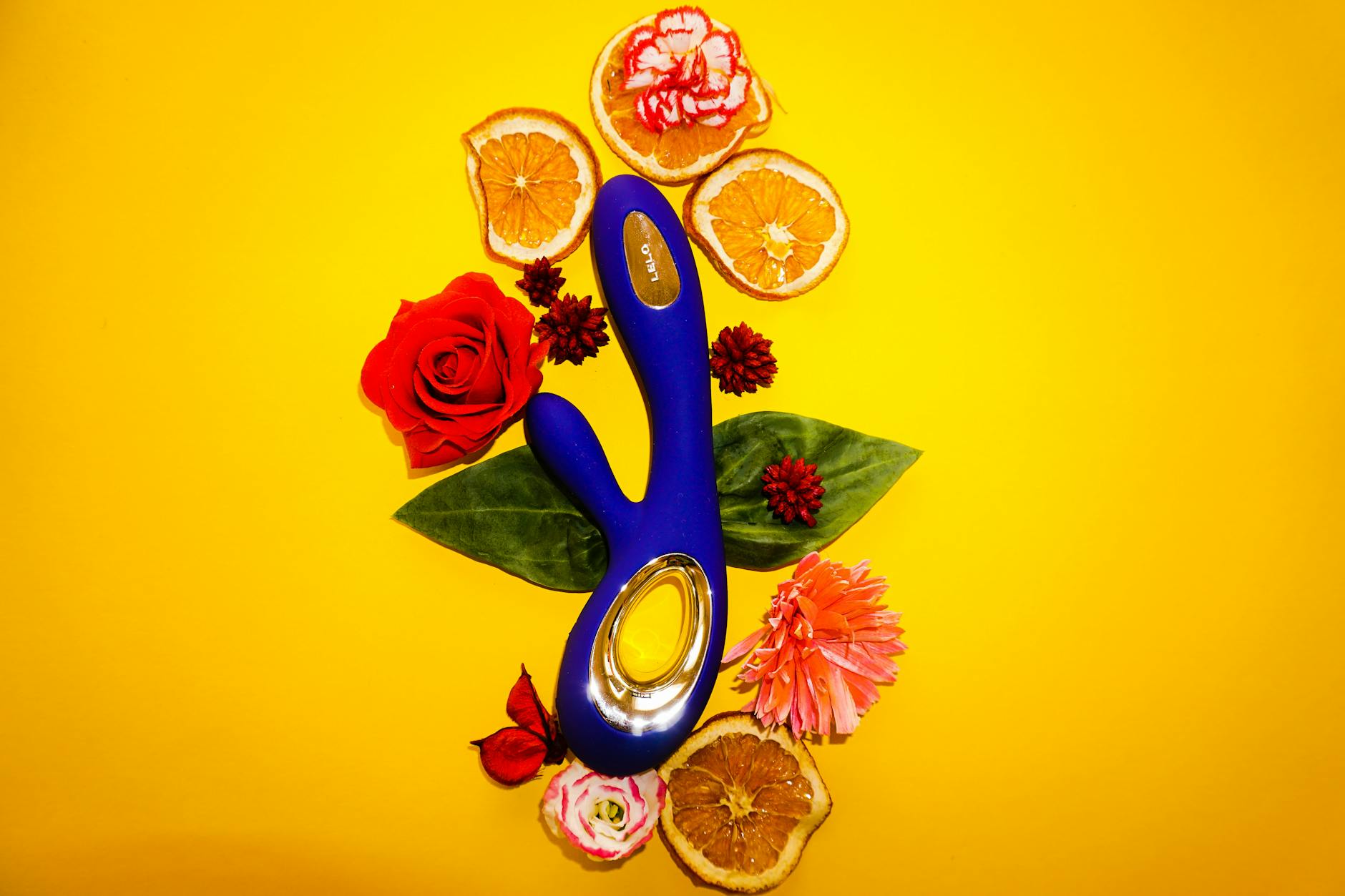
This is where tools like lemon clitoral vibrators come in. They give your nervous system something novel to orient toward. There's no muscle memory with a device. You're not retracing old patterns. You're building new ones.
The first time back: what to expect and how to set yourself up
Your first attempt at pleasure solo after a breakup will probably feel awkward. You might notice your mind wandering. Your body might feel numb or unresponsive. You might get five minutes in and feel nothing, then suddenly tears show up instead of arousal. All normal.
Here's how to make it easier.
Start small and remove pressure. Don't set a goal of orgasm. The goal is sensation. Spend 15 minutes exploring your body without the expectation of climax. Touch yourself the way you'd touch someone you're curious about, not someone you're performing for.
Use a device early. Lemon vibrators are useful specifically because they bypass old muscle memory. A lem vibrator or other clitoral vibrator gives your nervous system something completely fresh to respond to. You're not retracing your ex's touch. You're introducing novelty.
Manage your environment ruthlessly. Phone off. Bedroom door locked. Lighting soft. Temperature comfortable. Your post-breakup nervous system is sensitive. It's looking for reasons to retreat. Remove them.
Have an anchor thought. Before you start, identify one true statement about why you're doing this. Not "I need to prove I'm fine" or "I should be over this." Something like "I deserve to feel good in my own body" or "This is how I practice self-care." When your mind wanders, return to that anchor.
Building a solo practice that actually works
Consistency beats intensity. One 20-minute session weekly will rewire your nervous system faster than sporadic urgent attempts to feel something.
Start with your hands. Warm up your nervous system with touch that has no agenda. Then, if you want, introduce a device. If you go with lemon vibrators, start at the lowest setting. Let your body acclimate. There's no rush to intensity. Your clitoris is still there. The nerves still work. They just need time to learn that safety has returned.
Notice what you notice without judgment. Does certain touch feel good? Does your mind get quiet or stay active? Do you prefer patterns or consistency? Are some times of day better than others? These observations aren't failures. They're data that rebuilds your self-knowledge.
When you're ready to explore with a new partner
There's a specific awkwardness that comes with the first sexual experience after a long relationship. Your body remembers one person. Your new partner is different. The pressure to "perform normal" often shows up as disconnection or numbness.
Here's what helps: absolute honesty about where you're at.
You don't need to tell your new partner your entire post-breakup history. But you do benefit from saying something like "I'm still rebuilding sexual confidence after my last relationship. I might feel disconnected or numb at first, and that's about me, not about you." Most people appreciate that clarity. It removes the pressure to be seamlessly available.
Then, if you've been practicing with lemon vibrators or other tools solo, you have an option. Some people want to introduce their device into partnered sex early. It removes the expectation that they should be fully responsive right away. A lemon clitoral vibrator isn't a sign that something's wrong. It's a tool that helps your nervous system feel safe and responsive in a new context.
If that feels right, you can say something like "I've been using this device in my solo practice. I'd like to incorporate it here." Most partners see that as sexy information, not rejection.
The role of novelty in rewiring desire
Your brain is designed to pay attention to new things. When you use the same touch patterns with the same partner for years, your nervous system habituates. Sensation flattens. You have to work harder to feel stimulated.
After a breakup, novelty is actually an asset. A lemon vibrator is novel. A different touch pattern is novel. A partner who touches you differently is novel. All of that novelty wakes up your nervous system.
But novelty can also feel destabilizing if you're already grieving. The antidote is to introduce novelty slowly and intentionally. One new thing at a time. Practice with it until it feels familiar. Then, if you want, add another layer.
When numbness persists
If you're six weeks into solo practice and feeling genuinely nothing, that might signal something worth exploring with a therapist. Some people experience depression or dissociation after relationship loss that shows up as sexual numbness. That's not a device problem or a technique problem. That's your nervous system signaling that it needs support beyond solo practice.
There's no shame in that. Talking to someone can help you understand whether the numbness is grief (which will pass) or something deeper (which benefits from professional attention). Either way, you're not broken.
Building pleasure on your terms this time
The gift of rebuilding desire after a breakup is that you get to do it without the old relationship template. You're not trying to fix something or prove something. You're discovering what actually turns you on when you're not performing for anyone else.
That's rare and valuable. Your nervous system is rewiring itself right now. Tools like lemon vibrators and intentional solo practice accelerate that process. Your capacity for pleasure is intact. You're just learning a new way to access it.
People also ask
How long does it typically take for sexual desire to return after a breakup?
There's no universal timeline. For some people, desire perks up within a few weeks. For others, it takes months. It depends on how long the relationship lasted, how the breakup happened, whether you initiated it, and your overall mental health. What matters is consistency with solo practice, not hitting a specific deadline. Most people notice measurable shifts in responsiveness within 4 to 8 weeks of weekly self-exploration. Your nervous system is learning, not healing a wound. It's a gradual recalibration.
Can I use lemon vibrators while I'm still grieving the relationship?
Absolutely. There's a misconception that you have to be fully healed before pleasure is appropriate. That's backwards. Using a clitoral vibrator or other device is actually one way you practice self-care and reconnection during grief. It's not about distraction or forcing happiness. It's about telling your body "I'm still here. I still deserve sensation and care." If the experience brings up sadness, that's fine. Pleasure and grief can coexist.
What if my body feels numb to stimulation for the first few attempts?
Numbness is extremely common early on. Your nervous system is cautious. Keep going. You're not looking for fireworks on day one. You're training your body to recognize that pleasure is available again. Numbness often shifts around week three or four of consistent practice. If it persists longer than two months, check in with a therapist or doctor, just to rule out depression or other factors.
Is it okay to use a vibrator before I'm ready for partnered sex again?
Not only is it okay, it's often smarter. Solo practice with devices like lemon vibrators rebuilds your confidence and nervous system response without the complexity of another person's needs or energy. You're essentially practicing in a controlled environment. By the time you're with a partner, you've already reestablished your capacity for arousal and pleasure. That makes the partnered experience less pressured.
How do I know if I'm emotionally ready for a new partner?
A rough measure: Can you think about your ex without your nervous system flooding? Can you enjoy something without comparing it to before? Can you make decisions for yourself without seeking reassurance? When the answer to most of those is yes, you're probably ready. There's no requirement to be 100% healed. You just need to be grounded enough to recognize when something's right for you and when it's not. Solo practice with lemon vibrators actually helps you build that self-knowledge. You're learning what feels good to you. That clarity translates into better partner selection.
Can using a vibrator actually help me feel more connected to my body?
Yes. After a breakup, many people feel disconnected from their body because so much of their sensation was relational. A vibrator introduces sensation that comes from you, not from someone else. That distinction matters neurologically. Over time, your brain starts to associate your body with pleasure that you're generating. That's reconnection. It's not about the vibrator doing something magical. It's about you practicing pleasure and your nervous system learning that sensation is safe again.