Let's be real about desire after a breakup
Your body went dormant for a reason. After a breakup, especially a long relationship, desire doesn't just vanish. It gets suppressed. Your nervous system was trained to associate intimacy with a specific person, a specific touch, a specific rhythm. When that person is gone, pleasure pathways quiet down. That's not broken. That's protective.
The tricky part comes when desire starts to return. Suddenly you're aware of your body again. You think about touch. You feel the urge to explore. But it comes tangled with grief, guilt, fear, or complicated attachment to someone who isn't there anymore. Rebuilding intimacy after a breakup isn't about forcing pleasure or rushing into new relationships. It's about slowly, deliberately, reconnecting with what feels good on your own terms.
I work with people through this transition constantly. The ones who move forward fastest aren't the ones who jump into rebound sex. They're the ones who spend time alone first, learning what their body wants without an audience.
Why desire shuts down after a breakup
When you're coupled, your body adapts to another person's rhythm. Your nervous system learns to anticipate their touch. Your brain releases dopamine and oxytocin linked to that specific relationship. Then suddenly that input stops. Your body doesn't just reset. It grieves.
This is especially true if the relationship lasted years. Your erotic template gets wired to one person. Your pelvic floor tension patterns adjust to them. Your breathing, your arousal timing, the way you like to be touched. It's all tangled up in that relationship. When it ends, your body doesn't automatically know how to respond to anything else. So it doesn't.
Add in the emotional layer. You might feel guilt about wanting pleasure when you're still processing loss. Or shame about the relationship ending. Or fear that wanting someone new means you're disloyal to what you had. These thoughts are normal. They're also the exact thing that keeps desire locked down.
The three stages of reconnecting with pleasure
Stage One: Nervous system calm. Before you can feel pleasure, your body needs to feel safe again. This means sleep, movement, maybe therapy. Not orgasms. Not yet. Your job in this phase is consistency. Same bedtime. Regular walks. Grounding techniques when anxiety spikes. This takes 2-6 weeks, depending on how long you were together and how traumatic the split was.
Stage Two: Solo exploration without pressure. Once you're sleeping better and anxiety isn't running the show, you can start touching yourself. Not with the goal of orgasm. With curiosity. What does your skin feel like? What spots are you sensitive? This sounds simple. It's shockingly hard after a breakup because you're used to touch being about another person's pleasure. Relearning touch for yourself is genuinely reparative.
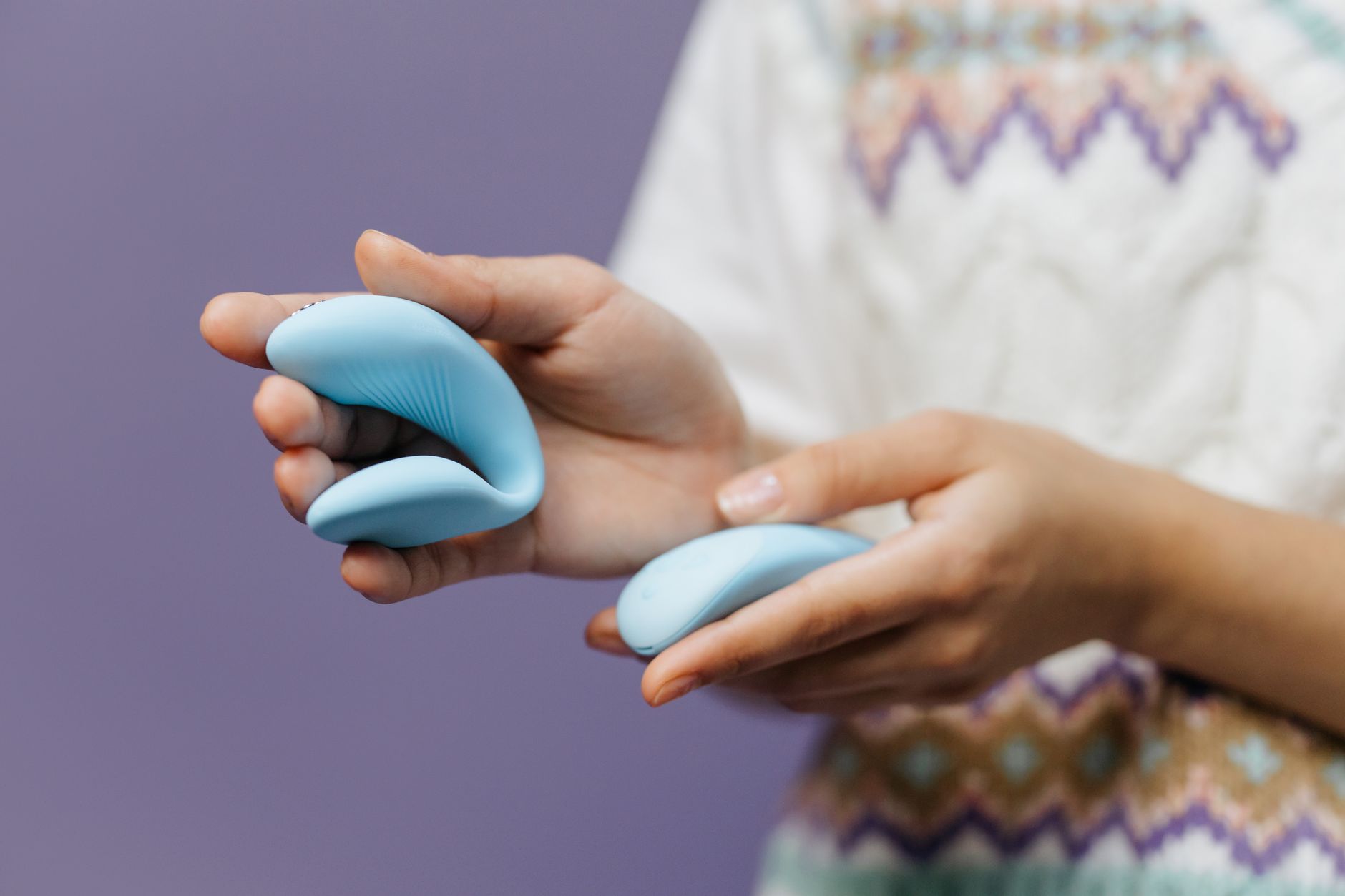
Stage Three: Introducing novelty (or returning to sex). Only after you've reconnected with your own body solo should you think about partnered sex or introducing tools like lemon clitoral vibrators. And even then, slowly. Your nervous system has just started learning that touch is safe again. Introducing too much intensity or complexity too fast can reset you back to stage one.
How to start exploring solo again
Honestly though, the biggest mistake people make is treating solo touch like a performance. You set aside time, you get undressed, you try to have an orgasm. Then when nothing happens, you feel worse. This approach tanks your recovery.
Instead, start small. Next time you're in the shower, notice how the water feels on your skin. That's it. That's the goal. Another day, lie in bed and put your hand on your chest, feeling your heartbeat. No agenda. Just sensation. You're literally teaching your body that touch can feel good without expectation attached.
Once you're comfortable with gentle touch, you can experiment more. This might take weeks. That's fine. Speed isn't the goal here. Reconnection is. When you do feel ready to explore with more intensity, tools like the Lemon Vibrator can help bypass some of the performance pressure because the sensation is novel, not tied to your ex, and it gives your nervous system something new to respond to instead of falling back into old patterns.
When to bring a partner (or toy) back into it
Here's the guideline I use with my clients. If you can touch yourself without thinking about your ex, you're probably ready. If fantasies about your ex keep showing up, wait longer. Your brain is still processing.
When you do bring a partner into it, be explicit about where you are. "I'm still rebuilding intimacy with my body. I need things slow and simple." A good partner will understand. A partner who pressures you or acts hurt about your hesitation is showing you something important about who they are.
If you're exploring solo with a toy instead, there's no performance pressure. You move at exactly your speed. You stop whenever you want. You decide what pleasure looks like. This is why many of my clients find solo exploration with something like a clitoral vibrator actually healing. It's a conversation with your own body, not a performance for someone else.
The emotional layer people skip
Physical rebuilding is only half the work. The other half is emotional permission. You're allowed to feel pleasure again. You're allowed to want touch again. Your body's desire isn't disloyalty to your ex. It's recovery.
Sometimes grief and pleasure show up at the same time. You're exploring with a toy and suddenly you're crying because you remember what it felt like to be held. That's not a sign to stop. It's a sign that your nervous system is processing multiple feelings at once. Keep going. Cry. Feel it all.
One more thing. If you had a healthy relationship that just ended, you're rebuilding from a different place than if you escaped something harmful. If the breakup involved infidelity, abuse, or betrayal, rebuilding intimacy takes longer and might need professional support. That's not weakness. That's honesty about what you're actually working through.
Building back to partnered intimacy slowly
When you do reconnect with a partner, resist the urge to jump straight to the intensity you had before. Start with non-sexual touch. Hugging for longer than feels normal. Lying in bed together clothed. Hand holding. Your nervous system is still learning that touch is safe, and that learning goes faster if you move incrementally.
The conversation matters too. Tell your partner what you're rebuilding. What you need. What scared you. The couples who move through breakup recovery fastest are the ones who use this transition as a chance to build intimacy intentionally instead of just falling back into old rhythms.
Desire returns on its own timeline. Your job isn't to rush it. It's to create the conditions where it can safely come back.
When to get professional support
If you're stuck in stage one after a few months, or if sexual anxiety gets worse instead of better as time passes, talk to a therapist. Not because you're broken, but because you deserve support for this transition. Breakups rewire your brain. That's legitimate neurobiology. Professional help can speed the process significantly.
Same thing if you're having intrusive thoughts about your ex during solo exploration, or if you feel numb to pleasure even weeks in. These are treatable. You don't have to white-knuckle through recovery alone.
Rebuilding intimacy after a breakup is slower than most people want it to be. It's also more possible, more rewarding, and more durable than you might think right now. Your nervous system will remember how to respond to touch. Your body will want pleasure again. That's not a question. It's just a matter of time, patience, and showing up for yourself with honesty.
Frequently asked questions
How long does it actually take for desire to return after a breakup?
It depends on relationship length and how the breakup happened. After a 3-5 year relationship, most people report feeling their libido return around 2-3 months. Longer relationships or messy breakups can take 6+ months. The key indicator isn't calendar time. It's when you can think about your body without it tied to that person. Trust that timeline more than any number.
Is it normal to feel guilty about wanting pleasure again after a breakup?
Completely normal. Your brain is still bonded to your ex. Part of you might feel like wanting pleasure again is cheating or moving on too fast. That's grief talking, not truth. Moving forward doesn't erase what you had. It means you're healing.
Can using a clitoral vibrator help rebuild desire faster?
Novels sensation can help your nervous system get unstuck because it's not tied to your ex. You have no muscle memory with a Lemon Vibrator the way you might with a partner's touch. This creates psychological safety that can actually speed up reconnection with your own pleasure. Just don't use it as a substitute for the emotional work. Tools help, but they're not the whole answer.
What if I'm scared to be alone with my body after a breakup?
That's a sign you might benefit from working with a therapist before diving into solo exploration. Loneliness and intimacy are tangled for a lot of people post-breakup. A professional can help you untangle them. In the meantime, start with grounding techniques. Cold water on your face. A body scan meditation. Journaling. Build comfort with your own company in small doses.
Should I delete photos of my ex or is that too extreme?
It's not extreme at all. Your nervous system is trying to retrain itself. Having easy access to your ex's image keeps activating old attachment pathways. Delete them or archive them somewhere you won't scroll through mindlessly. Same with saved texts. You're not erasing the relationship. You're creating space for your nervous system to recalibrate.
How do I know if I'm ready to have sex with someone new?
You can think about touching another person without comparing them to your ex. You can feel desire that's about the new person, not about proving you're over your ex. You're not using sex to avoid grief. There's no pressure from them. Those are good signs. If you're doing it to prove something or run from feelings, wait longer.