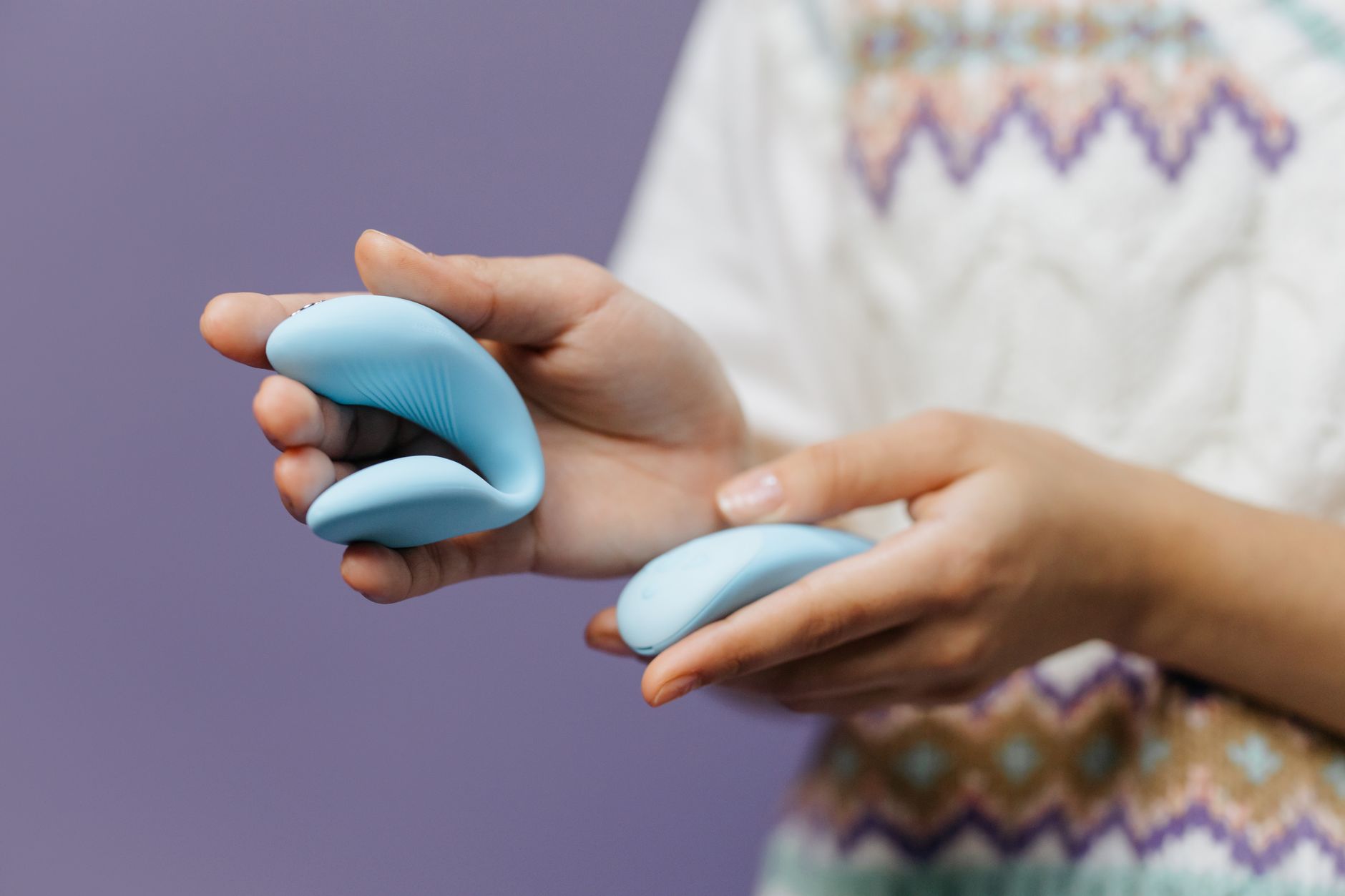
How Lemon Vibrators Help When Arousal Takes Longer After 50
Let's be real. At 50 and beyond, arousal doesn't work the way it did at 25. You're not broken. You're not uninterested. Your body is just operating on a different timeline, and honestly, that's not actually bad news.
The catch is that most sex toys, most advice, and most partners are still calibrated for faster arousal. That mismatch creates friction. Lemon vibrators, particularly their suction-based design, actually work with your body's natural pace instead of demanding you speed up to match something else's rhythm.
Why arousal takes longer (and it's not what you think)
Here's the physiological piece first, then we'll talk about why it matters. After 50, several things shift simultaneously. Blood flow to genital tissue slows. Estrogen, testosterone, and other hormones that were once automatic partners in arousal now require more deliberate stimulation to kick in. The clitoris itself becomes slightly less engorged during arousal, which means sensation can feel more subtle and require more sustained attention to build momentum.
But here's what doesn't change: the clitoral nerve density, the capacity for pleasure, or your ability to orgasm. What changes is the buildup time. Where you might have felt arousal building in 5 minutes at 30, it now takes 15 to 25 minutes at 55. And that's completely normal.
The problem isn't the slowness itself. It's that we're taught to feel bad about it. Partners get impatient. You internalize the idea that you're the problem. You start reaching for intensity as a shortcut, which often backfires because intensity without adequate arousal can feel overwhelming rather than pleasurable.
The mismatch between how toys are designed and how bodies actually work
Most traditional vibrators assume your body is ready to respond quickly. They're designed with high-intensity vibrations at the starting point, built for fast arousal escalation. If you're using one of these at 50, you're essentially trying to force your body into a rhythm it isn't on yet. It's like asking someone to sprint when they're still in the warm-up phase.
Lemon vibrators, specifically the suction-based design, work differently. Suction engages nerves through gentle pressure and rhythm rather than direct mechanical vibration. This matters because it means you're not trying to force intensity onto tissue that isn't ready for it. Instead, suction creates a building sensation that actually mirrors how your arousal naturally escalates now: gradually, with layers of sensation stacking on top of each other.
The clitoral vibrator works in sync with the body's slower blood flow patterns. Rather than feeling like you're chasing sensation, you're building it incrementally. That alignment between toy design and physiological reality is what changes everything.
What the first 10 minutes actually look like
When you pick up a lemon clitoral vibrator at 50-plus, the early phase feels different from what you might remember. You start at a lower pattern. The sensation is present but not overwhelming. This is working correctly. Your body is orienting to stimulation, blood is starting to flow, neural pathways are waking up.
Many women describe this phase as almost meditative. You're not forcing anything. You're not waiting for the "real" arousal to start. This is the real start, and it's unfolding at the right pace. At minute 5, you might feel a subtle warmth. By minute 10, actual interest is building. By minute 15, you're genuinely aroused.
That timeline is not a problem. It's information. It tells you that lemon suction toys complement your body's actual chemistry in a way vibration alone doesn't.
Why sustained, gentle stimulation beats intensity
Here's something that catches a lot of people off guard: the best orgasms after 50 often come from sustained, moderate stimulation rather than intense, varied stimulation. This runs counter to what most toys encourage, but it's real.
When you use a lemon vibrator at a steady, moderate intensity for 20 to 30 minutes, something shifts. The neural pathways are fully engaged. Blood flow has optimized. Your body reaches a kind of saturation point where orgasm becomes almost inevitable rather than something you're chasing. Many women report that orgasms after sustained suction feel deeper, more full-body, and more emotionally present than the quick, urgent orgasms of younger years.
This is actually a gift, but only if you reframe patience as strategy rather than problem.
When arousal takes longer with a partner
If you're with someone, this shift in timeline can either create connection or create tension. The difference is communication and rhythm matching.
Many partners at 50 and beyond have their own arousal changes happening. Men's arousal often takes longer too, though we don't talk about it as openly. Partners with vulvas sometimes worry they're holding things back. Partners with penises sometimes feel rejected if their body moves faster than yours.
The invitation here is to desynchronize on purpose. This doesn't mean separate bedrooms. It means understanding that foreplay that used to be 5 minutes is now 25 minutes, and that's not a detour. That's the whole point. Lemon vibrators actually work well here because they allow you to take your time while a partner is present but not stressed. You can use a clitoral vibrator while your partner touches you elsewhere, or you can use it while they're inside you, creating dual stimulation that feels less demanding than trying to rush matching arousal timelines.
The research on midlife sexuality is clear: couples who accept that arousal takes longer, and build their sexual time around that reality, report higher satisfaction than couples trying to speed things up. Lemon suction toys, because they reward patience rather than punish it, align with this reality beautifully.
Practical things that actually help
If you're starting to explore lemon vibrators after noticing your arousal has shifted, a few adjustments make the difference.
First, budget time. Not because there's anything wrong with you, but because rushing creates tension that slows arousal further. A 30-minute session where 20 minutes are genuine foreplay and 10 are direct stimulation is going to feel better than 10 minutes of rushing.
Second, warm up your body first. A bath, a shower, a few minutes of whatever gets you into your body. Arousal is easier when you're not mentally in your to-do list.
Third, use lubrication generously. This isn't a sign something's missing. Vaginal tissue naturally changes after 50, and lube is infrastructure, not a workaround. It makes suction work better and sensation feel clearer.
Fourth, start at a lower intensity on your lemon clitoral vibrator and let it build. Pattern 1 or 2. You're not looking for fireworks immediately. You're looking for signal. The sensation should feel present and interesting, not overwhelming.
The permission piece (which might be the biggest shift)
Here's what I notice most with clients in this phase: the biggest change isn't physiological. It's psychological. At 50 and beyond, you've often stopped believing you deserve the kind of patient, attentive pleasure that arousal on a longer timeline requires.
You've been taught to feel embarrassed about taking time. You've internalized the idea that real arousal is fast and automatic. You might feel guilty that your body isn't matching your partner's rhythm. You might feel like you're inconvenient.
Lemon vibrators can't fix those beliefs directly, but they can support a different practice. When you use a lemon suction toy and actually let yourself take 20 or 30 minutes, you're giving yourself permission to trust your body's timeline. That permission is radical. And it often has the weird bonus effect of making arousal faster, because you stop fighting against yourself.
Your slower arousal at 50 isn't a problem to solve. It's a feature of a body with decades of real experience. Lemon clitoral vibrators are simply tools that work with that reality instead of pretending it doesn't exist.
Frequently Asked Questions
How long should arousal take at 50 and beyond?
There's no single answer, but research suggests that 15 to 30 minutes of foreplay is common and healthy. Some people need less, some need more. The key is that your personal timeline matters. If you need 25 minutes, that's not slow. That's accurate information about your body. Tools like lemon vibrators work best when you're not fighting against that timeline.
Do lemon vibrators work better than regular vibrators for slower arousal?
Not universally, but for many people, yes. Suction-based stimulation engages nerves differently than traditional vibration. It tends to build sensation gradually, which aligns with how arousal naturally progresses as we age. That said, bodies are individual. Some people respond better to vibration, some to suction, some to a combination. The best approach is testing and paying attention to what your body actually responds to.
Is slower arousal a sign that something's wrong?
No. Slower arousal is a normal part of aging. It's connected to hormonal shifts, blood flow changes, and neurological changes that are completely ordinary. Slower doesn't mean diminished. Many women report that arousal after 50, once it builds, is richer and more full-bodied than it was earlier. The timeline is different, not worse.
Can my partner help speed up my arousal?
Maybe, but that framing sets you up for frustration. Instead of trying to speed up your arousal, a partner can shift their focus to extending foreplay and building anticipation together. When you're rebuilding intimacy with a partner, communication matters most. The most satisfying sexual experiences after 50 aren't faster. They're more intentional.
Should I be concerned if arousal is taking even longer than it used to?
If it's changed abruptly over a few weeks or months, it's worth mentioning to a doctor. Some medications, hormonal fluctuations, or underlying health shifts can affect arousal. But if this is a gradual slowdown over years, that's aging. If it's affecting your quality of life or your relationship, a conversation with a healthcare provider or sex therapist can help you explore whether hormone therapy, medication adjustments, or other interventions might help.
Can lemon sexual toys help with arousal if I have a partner who moves faster?
Absolutely. Using a lemon clitoral vibrator during partnered sex allows you to build your own arousal at your own pace while your partner is present. This removes the pressure to match their timeline while keeping you connected. Some couples find this incredibly freeing. It separates "my arousal" from "our timing," which takes a lot of pressure off both people.
The reframe that changes everything
Slower arousal after 50 isn't an obstacle. It's information about how your body works now. Lemon vibrators, with their gentle suction design, are simply tools that acknowledge that timeline and work within it. When you stop fighting against how your body actually operates and instead build your sexual practice around it, arousal doesn't just take longer. It feels deeper. That's not settling. That's actually the upgrade.
If you're noticing shifts in your arousal timeline and want to explore what works for your body now, we're here to help. The right tools, used with patience and self-compassion, change everything.