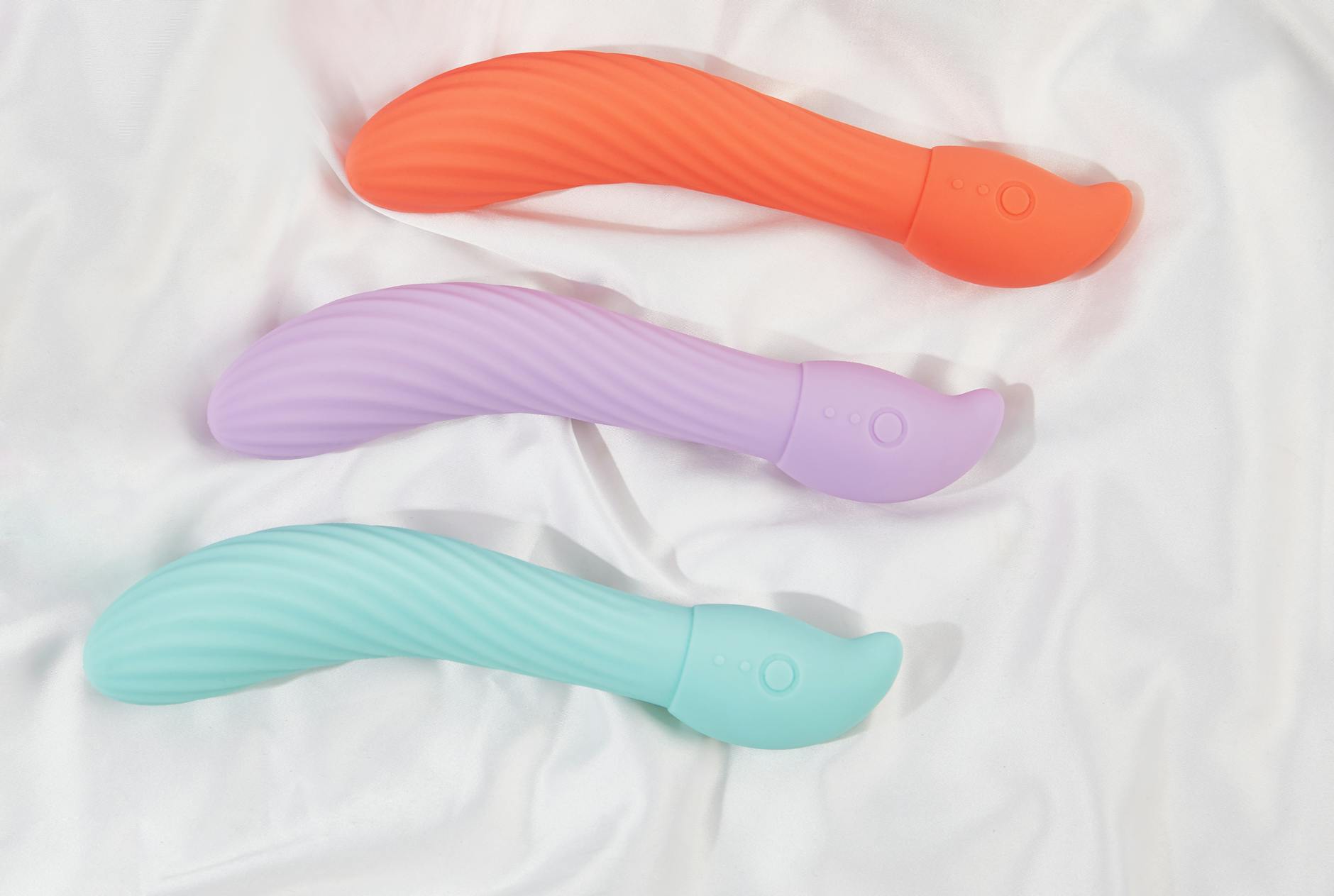
Here's the thing about power and time
Yes, lemon vibrators do lose intensity eventually. But the timeline depends entirely on how you charge them, how often you use them, and what conditions you store them in. A well-maintained clitoral vibrator from Hello Nancy can stay potent for years. One that's treated carelessly might feel notably weaker in months.
The good news: most of the fade is preventable. And there's a massive difference between "noticeably weaker" and "completely dead."
How lemon vibrator batteries actually degrade
Your lem vibrator uses a rechargeable lithium-ion battery. These are brilliant for sustained power, but they have a hard truth baked into their chemistry. Every charge cycle erodes the battery's capacity slightly. After about 300-500 full charge cycles, most lithium batteries hold roughly 80-85% of their original capacity. After 1,000 cycles, that drops to around 60-70%.
Sounds grim until you do the math. If you charge your lemon clitoral vibrator twice a week, 300 cycles takes about three years. Most people don't charge twice weekly. Once a week is more typical, which means 300 cycles spans closer to six years.
So the real question isn't whether your vibrator will fade. It's whether you'll notice.
What you'll actually feel (and when)
Most people don't detect a meaningful difference until the battery is holding about 70% of its original charge. At that point, if your lemon vibrator originally gave you 90 minutes of runtime, you're now getting about 63 minutes. The suction might feel marginally less aggressive on the highest settings.
But here's what matters: the lowest settings rarely feel noticeably different. If you typically use your vibrator at intensity levels 2-4 out of a possible 8, you probably won't feel a significant change for five to seven years.
The people who notice fastest are the ones who use maximum intensity every session. You're pushing the motor harder, the battery is working overtime, and the degradation compounds faster. If that's you and you're looking at three years of heavy use, yeah, you might feel a dip.
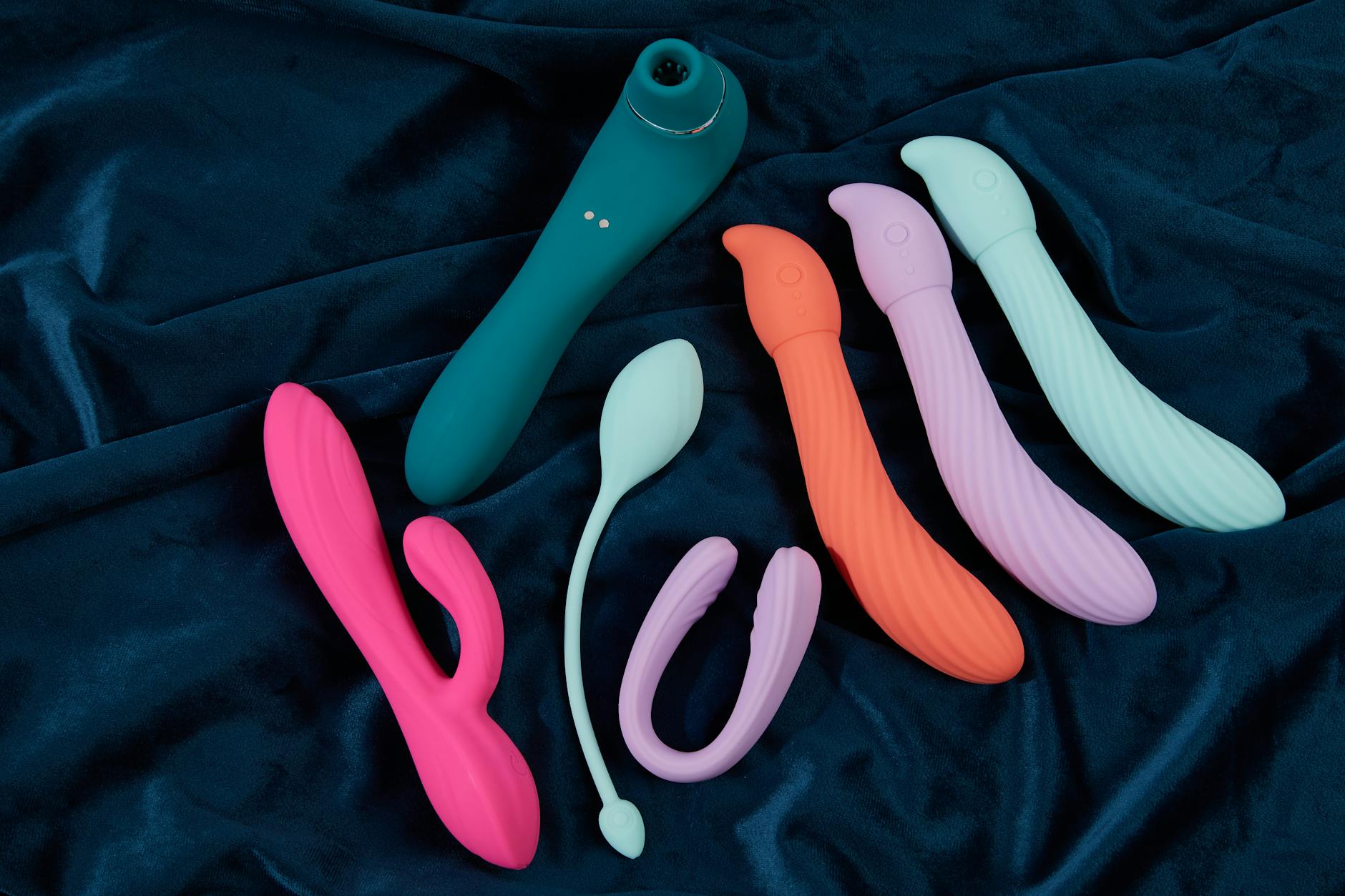
Photo by IFONNX Toys on Pexels
Motor wear vs battery fade (they're different)
People often lump these together, but they're separate problems. Your lemon sucker's motor is a tiny electromagnetic actuator that vibrates thousands of times per second. Motors don't really "wear out" in the traditional sense. They don't accumulate friction like mechanical parts do.
What actually happens: repeated vibration at maximum intensity can cause microscopic changes in the motor's magnetic field alignment. Over a decade of hard use, you might detect a slightly different texture to the vibration. But this is rare, and it usually happens after the battery has already degraded enough that you've probably replaced the device anyway.
For most users, battery fade happens long before motor degradation becomes noticeable.
The quick wins to slow everything down
If you want your lemon clitoral vibrator to stay powerful, charge it correctly. Lithium batteries hate living at 0% or 100%. If you charge your lem vibrator and leave it plugged in for days, you're shortening its lifespan. If you let it fully drain every time, same thing.
The sweet spot: charge it to about 80% and unplug it. Let it rest at 20-80% most of the time. I know that sounds fussy. It's not, once it's routine.
Second, avoid temperature extremes. Lithium batteries lose capacity faster in heat. Your bathroom is probably fine. Leaving your lemon vibrator in direct sunlight or in a hot car? That accelerates degradation. Cold isn't as bad as heat, but extreme cold can reduce performance temporarily.
Third, store it dry. Water and electronics don't mix, obviously. But moisture over months can corrode the charging contacts, which makes charging less efficient. Your battery never gets a full charge, so the voltage is lower, and the vibrations feel subtly weaker.
When to consider replacing your vibrator
Most Hello Nancy clitoral vibrators are built to last five to seven years of regular use. Some last longer. If you're five years in and your lemon vibrator still feels good at medium intensity and holds a charge for a reasonable runtime, it's working fine.
Replace it when:
The highest intensity settings feel like medium intensity now. That suggests battery capacity has dropped below about 60%. You can still use it, but you've lost real functionality.
Runtime has dropped significantly. If your lem vibrator used to last two hours and now dies after 30 minutes, the battery is failing fast. This sometimes means 500-600 cycles in, sometimes 1,000 cycles in. Variable.
The charge won't hold more than a few days. A degraded battery might charge fully but lose 30% of its power just sitting for a week. That's usually a sign the internal battery is damaged, not just aged.
You're noticing a change in vibration texture or pattern. This is rare, but it can indicate motor issues that only get worse from there.
The sustainability angle (and what it means)
If you're worried about e-waste, the responsible choice is to keep your vibrator as long as it's actually working. Replacing it because it lost 20% capacity is wasteful. Replacing it because the battery is genuinely failing and can't hold any charge is responsible. You've gotten your use out of it.
Batteries can sometimes be replaced separately if the motor still works, though most clitoral vibrators are sealed units for waterproofing. Hello Nancy designs products for longevity, which means the charging system, the silicone, and the motor are built to outlast most battery degradation. That's by design.
How your habits change the timeline
A few specific patterns make a difference:
Heavy use, maximum intensity, daily: Three to four years of strong power, then noticeable fade. Battery will be holding about 60% capacity.
Regular use, mixed intensity, three to four times weekly: Five to six years before any real decline. You're looking at around 70% capacity.
Occasional use, low to medium intensity, once a week or less: Seven to ten years. Battery degradation is slow when you're only running 50-100 cycles per year.
You're probably somewhere in the middle. Which means you've probably got at least five good years ahead of you.
One thing most people get wrong
They assume fading power means the device is broken. It's not. A lemon vibrator running at 70% capacity is still fully functional. It's just not as aggressively intense as it was new. For most people's actual use, that's not a problem.
The only time it matters is if you've built your whole pleasure response around maximum intensity. And if that's you, it's worth knowing now. You might benefit from exploring lower settings while your device is still new, so intensity doesn't become your only path to a good experience.
People also ask
How do you know if your lemon vibrator battery is dying?
The clearest sign is runtime. If your clitoral vibrator used to last 60-90 minutes and now dies after 20-30 minutes on a full charge, the battery is degrading. Other signs: it takes noticeably longer to charge, it loses power quickly even if you just recharged it, or the device feels warm while charging (which can indicate the battery is working harder). If you notice one or more of these, battery replacement or a new device is worth considering.
Can you replace the battery in a Hello Nancy lemon vibrator?
Most Hello Nancy lem vibrators are sealed for waterproofing and durability, which makes user battery replacement difficult. Battery life on these devices is typically five to seven years, which is longer than most users keep their vibrators. If your device is out of warranty and you need a replacement, reach out to /contact and the team can discuss options with you.
Do lemon clitoral vibrators lose power faster if you use them a lot?
Yes, but not as dramatically as you'd think. Using your vibrator daily at maximum intensity will degrade the battery faster than using it once a week at medium intensity. But even daily heavy use usually gives you three to four years of strong performance before fade becomes obvious. If you use it a few times a week at moderate intensity, you're easily looking at five to six years.
Is it better to fully drain your lemon vibrator before charging?
No. Lithium batteries actually prefer partial discharge and partial charge cycles. Letting your vibrator fully drain regularly or leaving it fully charged for days at a time both speed up battery degradation. The best practice is to charge when it gets to about 20% and unplug around 80%. It sounds complicated but it takes maybe two seconds of thinking once you establish a routine.
Why does my lemon sucker feel weaker than my friend's new one?
If yours is older, battery degradation is the most likely culprit. Even a few months of difference in age, combined with different usage patterns, can create a noticeable difference in feel. If yours is relatively new and already feels weaker, you might have a defective battery. In that case, Hello Nancy's customer team can help troubleshoot or replace it under warranty.
Does heat damage lemon vibrators permanently?
Temporary heat exposure probably won't cause permanent damage. Leaving your lem vibrator in a hot car or direct sunlight for a day might reduce performance temporarily, but it usually bounces back. Chronic heat exposure over months or years does degrade the battery faster and can damage the silicone over time. Store your vibrator somewhere cool and dry, and you'll avoid this problem entirely.
Your lemon vibrator is a real investment in your pleasure. Treating it well means it'll keep working well for years. And if it does eventually fade, that's not failure. That's the natural lifecycle of a battery. By then, you'll have gotten incredible value out of it, and there's no shame in moving on to something new.
Have other questions about caring for your device or maximizing its lifespan? Get in touch with our team anytime.