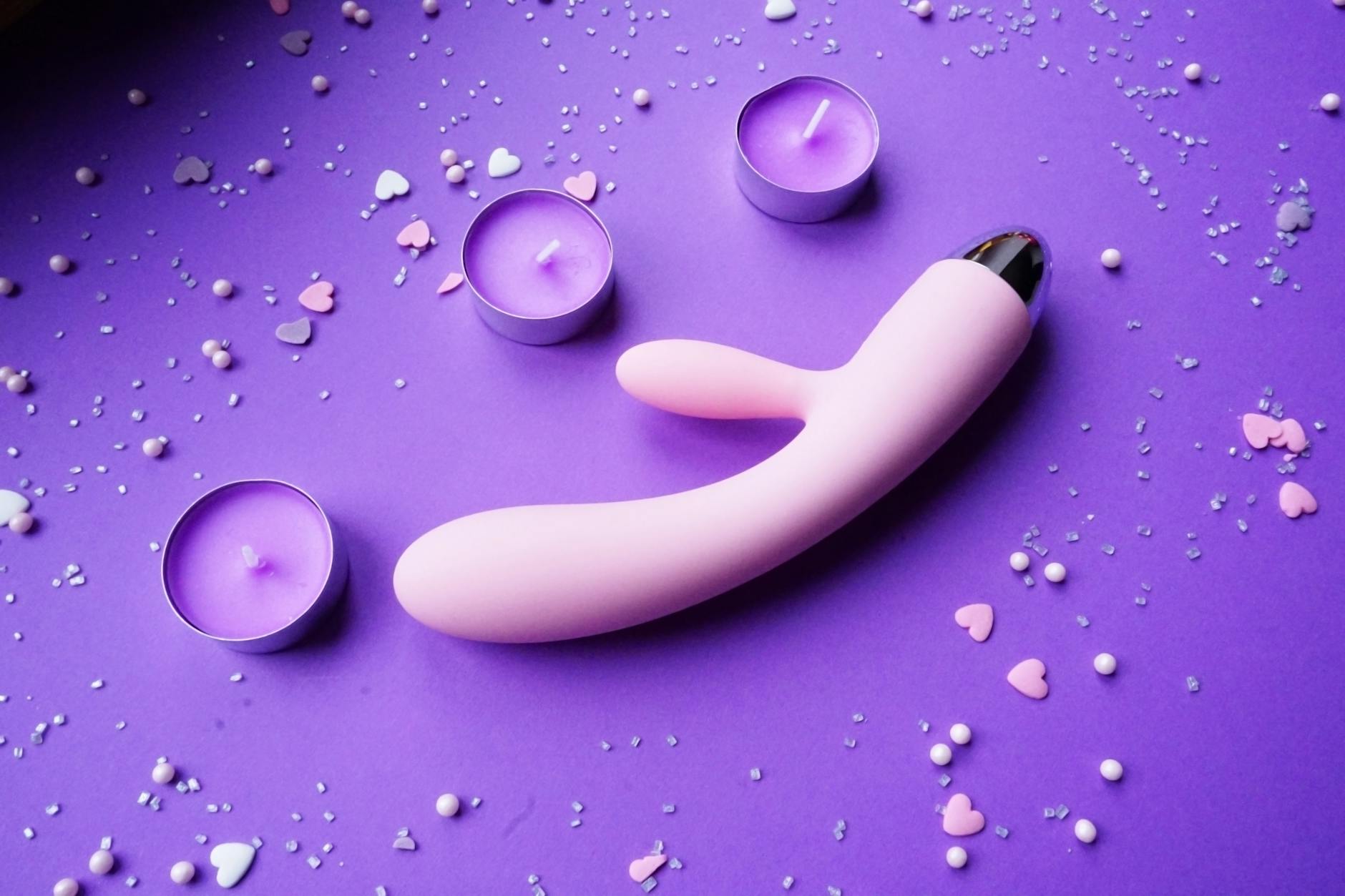
Here's the thing about menopause and pleasure
Menopause changes how your body responds to stimulation. It does not end pleasure. That distinction matters because most conversations about menopause and sexuality get stuck between two extremes: either everything gets worse, or nothing changes at all. Both miss the real story.
If you've been using a lemon clitoral vibrator or lemon suction toy for years, you might notice the sensation feels different after menopause. That's not a sign something's broken. It's a sign your body is changing, and your toys might need some strategic adjustments.
What actually happens to your body during menopause
Estrogen drops. This is the big one. Lower estrogen means the tissue around your clitoris gets thinner. It's more delicate, which sounds fragile but actually isn't. It's more sensitive in a different way.
You also produce less natural lubrication. Your pelvic floor muscles lose some of the elasticity estrogen provided, which can change how orgasms feel. Sometimes they feel less intense at the surface, sometimes more concentrated deeper. Neither is better or worse, just different.
Here's what does NOT change: the neural pathways that make pleasure happen. Your clitoris still has the same nerve density. Your brain still lights up the same way during arousal. The capacity for intense sensation and satisfaction is completely intact.
Why a lemon vibrator might feel different
A lemon clitoral vibrator or lem vibrator works through rapid micro-vibrations that stimulate the sensitive nerve endings around your clitoris. After menopause, thinner tissue responds differently to that stimulation. Some people find the sensation sharper than before. Others say the same setting feels softer or requires longer warm-up time.
This is actually where suction toys have an advantage. Unlike traditional vibration, which creates friction, suction stimulates the tissue without the same mechanical pressure. If you've been using a basic vibrator and noticing discomfort post-menopause, switching to a lemon suction toy like the Lem can feel revelatory. The suction mechanism is gentler on delicate tissue while still delivering intense sensation through the clitoris.
Many of my clients report that lemon vibrators feel better after menopause than before, once they adjust the settings. You're not losing sensitivity. You're just recalibrating.
The intensity paradox
Here's what catches people off guard: sometimes lower intensity is more satisfying after menopause. Your nerves aren't less responsive. But thinner tissue can feel overwhelmed by the same settings you used before.
The practical fix is simple. Start at pattern 1 or 2 on your hello nancy lemon clitoral vibrator instead of jumping to your old baseline. Spend 15 to 25 minutes in arousal rather than 5 to 10. Your body will build sensation differently, and what you're looking for often arrives through patience rather than force.
Water-based lubricant also becomes a non-negotiable. Not because you're broken, but because it changes everything. A good lube makes a lemon suction toy feel richer, reduces any micro-friction against thinner tissue, and paradoxically often leads to stronger orgasms.
The pleasure that shows up later
Many people assume their best sexual years are behind them by menopause. Clinically, I see the opposite pattern constantly. Post-menopausal people often report their most satisfying encounters happen after the initial adjustment period. Three reasons this happens.
First, the cognitive load lifts. For decades, your brain was managing fertility concerns, hormonal cycles, and cultural pressure about being desirable. That mental noise disappears. Arousal becomes simpler.
Second, you often have permission you didn't before. The cultural expectation to perform for a partner softens. People who spent years calibrating pleasure around someone else's rhythm suddenly explore their own desires for the first time. That alone transforms the experience.
Third, you have better tools. A lemon vibrator or suction toy designed for sensitive tissue is leagues ahead of what many people had access to 20 years ago. Combine that with the freedom to spend time on your own pleasure without guilt, and you've got a recipe for genuinely excellent sensation.
What to adjust with your current toys
If you own a lemon clitoral vibrator or lemon sexual toy you've been using, you don't need to replace it. You need to use it differently.
Slow down the pattern. Most lemon vibrators have multiple settings. If you've been using patterns 4 and 5, try starting with 1 and 2. Let your body build slowly. You can always increase, but rushing creates tension that blocks sensation.
Add lubrication. Silicone-based lubes feel luxurious but they damage silicone toys. Stick with water-based lube. A generous amount makes tissue feel responsive rather than pressured.
Extend your warm-up. Arousal takes longer to build after menopause. This is not a flaw. It's an invitation to spend more time on the parts you might have rushed through before. Extended foreplay, fantasy, or just slower breathing changes everything.
Try suction if you haven't. If your current toy is a traditional vibrator and you're noticing discomfort, a suction-based lemon vibrator works differently. The Lem from Hello Nancy uses air-pulse technology rather than vibration, which many post-menopausal people find more comfortable and often more effective.
When something's actually wrong
If you're experiencing pain during use, that's different from sensation change. Pain is information. Genitourinary syndrome of menopause, or GSM, is real and common and completely treatable. Topical estrogen creams applied 2-3 times a week often resolve it in weeks. A menopause-informed GP or gynaecologist can assess and help.
If desire has completely flatlined and hasn't returned after 3 to 6 months, testosterone therapy is worth discussing with a specialist. It's prescribed conservatively in some regions but available, and often life-changing for the right person.
Those are conversations worth having. Sensation change is not.
The permission part
Menopause often arrives with other midlife shifts. Growing kids, relationship renegotiation, career changes, grief. The temptation is to blame hormones for any sexual shift. Sometimes hormones are the culprit. Often it's something else wearing a hormonal disguise.
If you're with a partner, separate the conversations. "My body is responding differently to stimulation" is not the same as "I want us to rebuild intimacy." One is about biology. One is about connection. Conflating them turns both into dead ends.
Have the biological conversation first. Adjust your lemon vibrator settings, add lube, extend warm-up time, maybe try a suction toy if you haven't. Then have the relational conversation. That's when change really happens.
FAQ: What people actually ask about lemon vibrators and menopause
Will my lemon vibrator still work the same way after menopause?
Your lemon clitoral vibrator will work. It may feel different because your body is different. The same setting might feel sharper, softer, or require longer to build. This is normal. Start lower and slower than before. Most people find a new sweet spot within a few weeks.
Is a lemon suction toy better than regular vibration after menopause?
For many post-menopausal people, yes. Suction doesn't rely on friction the way vibration does, so it's often gentler on delicate tissue while still delivering intense sensation. That said, some people prefer traditional vibrators even post-menopause. Start with what you know, adjust the settings, and experiment if you want to try something new.
Do I need lubricant with a lemon vibrator after menopause?
Yes, almost always. Water-based lube changes how stimulation feels and makes thinner tissue respond better. It also prevents micro-friction that can cause irritation. Use generously.
How long does it take to adjust to using a lemon vibrator differently post-menopause?
Most people find their new rhythm within 2 to 4 weeks. Give yourself time to experiment with different patterns, lubrication amounts, and warm-up lengths. Your body will tell you what works.
Can you still have strong orgasms with a lemon vibrator after menopause?
Yes. Many post-menopausal people report their strongest orgasms come after initial adjustment. Extended warm-up, patience, and lower-intensity patterns often lead to more intense and satisfying sensation than what came before.
What if my lemon vibrator causes discomfort after menopause?
Discomfort is different from sensation change. If pain appears, stop and see a menopause-informed GP. GSM is treatable with topical estrogen or other options. Pain isn't something to work through. It's information that something needs to change medically.
The actual story
Menopause is not a deadline for pleasure. It's a transition. Your lemon vibrator, your suction toy, your capacity for satisfaction. all of it is still there. You're just learning a new language. A slower one. A more patient one. Often a richer one.
The best version of your sexual life might be ahead of you, not behind. If you want support figuring out what changes and why, reach out to a menopause-informed therapist or contact Hello Nancy for guidance on which toys and techniques work best during this phase.